
LANDSCAPE PHOTOGRAPHY WORKSHOPS PHILOSOPHY
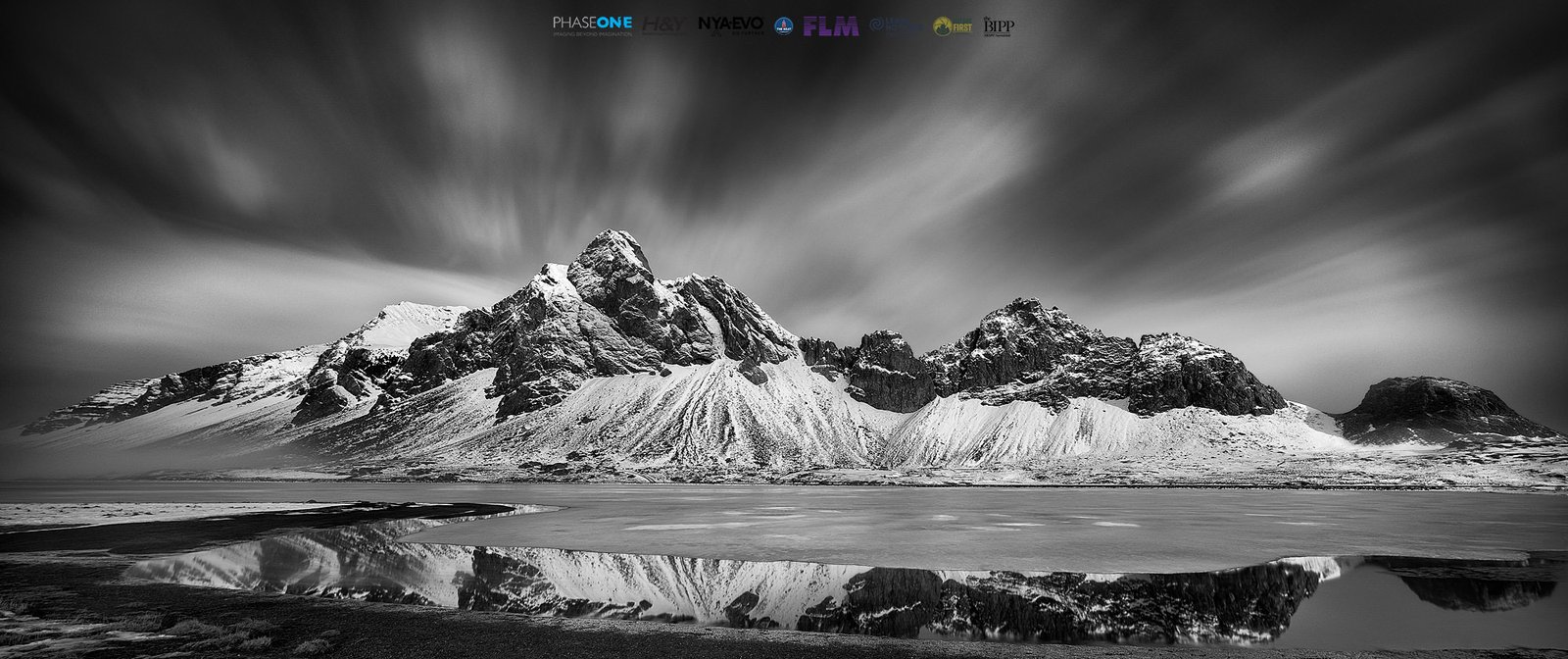
TEACHING PHOTOGRAPHY THROUGH A MUSICIAN'S EYE: READ ALL ABOUT MY LANDSCAPE PHOTOGRAPHY WORKSHOPS PHILOSOPHY
When I think about my landscape photography Workshops philosophy, I always ask myself the questions that you would ask me: “OK, so you teach landscape photography Workshops. Why? What is the driving force behind your teaching? Why should I come to one of your Workshops, with all the offer available? What will I get by attending one of your Workshops?”
Long before thinking about my landscape photography Workshops philosophy, I have been asking myself similar questions during the decades I spent teaching music. Let me tell you shortly about that first. Before starting to work as a professional photographer, I have been a successful classical musician. I played the flute, and during my career I played hundreds of concerts and recorded seven solo CDs. Besides that, I have been teaching flute at University and Post-Grad level for more than 15 years and gave Masterclasses all over the world (the music world’s equivalent of a photography Workshop).

Besides my solo career, I am proud to have been pretty successful as a teacher as well. My pupils are winning competitions, playing in orchestras, building solo careers, playing in chamber music groups and teaching in Universities around the world. They gained entrance at prestigious Universities such as Juilliard School of Music, and so on.
Besides teaching music, I have been teaching photography as well for nearly a decade before starting to run Workshops, mostly on a one-on-one basis. So, when I started thinking about my landscape photography Workshops philosophy, I enjoyed the uncommon vantage point of someone who has been teaching for a long time in different fields, and successfully so.
Music and photography should be pretty different though, so how does being good at teaching one help teaching the other? Simply put, and this is true for music and photography alike, the two main points of teaching for me are:
1. Give a person the technical knowledge of the chosen medium that he needs to master in order to be able to express himself, and
2. Set his mind free to do so

While this is pretty easy to say, it is unfortunately not as easy to do.
ART AND TECHNIQUE | Roughly speaking, photography is based on a few basic concepts that you need to master instinctively in order to set off to photograph, forget them and let your creativity roam free. In particular, in my landscape photography Workshops philosophy, a Workshop should provide you with a good amount of time to intensively work on, and start to manage, these concepts. Concepts that you can then perfect on your own, until you’ll have another chance to put them to the test in front of an expert instructor, if you wish to do so.
In short, this is what you’ll learn during my landscape photography Workshops:
– Mastering aperture, shutter speed and ISO;
– How to use filters and why;
– How to choose a focal length over another;
– How to choose a format such as 4/3, APS-C, FF, Medium Format or Large Format over another, financial reasons aside;
– How to understand the light and the weather;
– Understanding and mastering composition, in particular image structure, leading lines, dynamic vs. static compositions;
– Use of perspective;
– Use and control of depth of field;
– Use and control of movement and the passing of time in your images;

And more (see ABOUT THE WORKSHOPS for more detailed information). Then, once you are back from the field with card-loads of images, you’ll have to learn how to process them.
One of the most frequently asked questions I hear from my customers and students alike is: “Is this image photoshopped?”, or “This is NOT photoshopped, right?”, or “These are the real colours, right? Don’t tell me they have been photoshopped!” Spoken like true believers, as if using a post-processing software would be a mark of infamy of sorts, for “real” photographers.

Well, I always answer by showing people an unprocessed RAW file, enjoying the inevitable reaction of surprise I get when they see how far removed that looks from a finished image. I then explain them how, in my landscape photography Workshops philosophy, and in my approach to photography at large, “photoshopping” just means “developing a negative”. That’s something that needs to be done, something as necessary today as developing a film negative was in the good, old film days.
Once we agree on that premise, the choice is whether you are happy to let your camera’s JPG engine do it for you, or whether you’d rather take matters into your own hands and make your creative choices on your own. Following my landscape photography Workshops philosophy, I’ll definitely recommend you do the latter, if you want to gain total creative control over your images.
However, this means you’ll have to learn to use a post-processing software, either Photoshop or any other software of your choice. Since approaching any such software can be a daunting proposition, adding post-processing sessions to a Workshop really helps you to break the ice and start walking on the right direction towards realising your vision.

SET YOUR MIND FREE | Once you’ve learned the tools of the trade, if you want to express yourself artistically, you’ll have to go one step further. This is true for professionals and amateurs alike, no difference whatsoever.
As a landscape photographer in particular, this means you’ll have to render a particular scene not just as it is, but as your inner eye sees it. You’ll need to interpret the scene. To do so, you’ll have to leave behind the pursuit of technically perfect but mechanical, scholastic and unoriginal reproductions of the world out there. Technical perfection, although necessary, is just the first step of the much more complex task laying ahead. You’ll have to interpret reality, processing it through the filter of your individuality, your creativity and your experiences. You’ll have to be daring. You’ll have to express yourself through the artistic medium of your choice, daring to take that freedom and put it to work to create something beautiful and meaningful. You’ll have to set your mind free.
One side note about freedom. As we know, everyone wants to be free. To better put it, everyone wants freedom, but – as strange as it may seems – once they got it, most people don’t know what to do with it.
Back to the topic of my landscape photography Workshops philosophy. Setting aside learning the necessary craftsmanship that goes with any art form, artistic expression should be the one field of human endeavour where pursuing freedom of creative, individual thought is of the outmost importance.
Theoretically, at least.
More to the point, when it comes to transmitting knowledge in any artistic field, pursuing freedom of creative, individual thought should be the ultimate aim for both pupils and teachers alike.
In reality, as it turns to be, it’s often the contrary.
On the one hand, in art as in life, as strange as it might seem, for various reasons most people prefer to be told what to do and how to do it. On the other hand, with few notable exceptions, the academic world is one of the places where you are less likely to be encouraged to pursue your creativity freely. Why is that?
First of all, people will probably never admit to any of the above, at least not in such terms. If you try and express your freedom of thought, your teachers will tell you something like “rules are there for a reason, who are you to discuss them”, “just learn what you have to learn, do as you are told”, or “first graduate, and then when you are on your own you can do what you like”.
However, or therefore, most learners will think something like “if I follow the rules, I’ll have less responsibility and less troubles”, or “surely if I do what I am told, if I do what everyone else does, If I do it the way they do it, I’ll become a successful artist too, right?”
Probably wrong, unfortunately.
Well, to put it better, it is definitely true that by giving up original thought you’ll have less responsibility and less troubles. Guaranteed, you won’t have to think much, nor to imagine much. You won’t have to push the boundaries of your knowledge and creativity. You won’t lose a night or two of your precious sleep trying to solve a particular problem. And so on.
You’ll live better and tire less. You’ll probably never make “mistakes” and you won’t make your teachers angry.
You might even graduate with full marks from your photography class, music class, art class, or whatever.
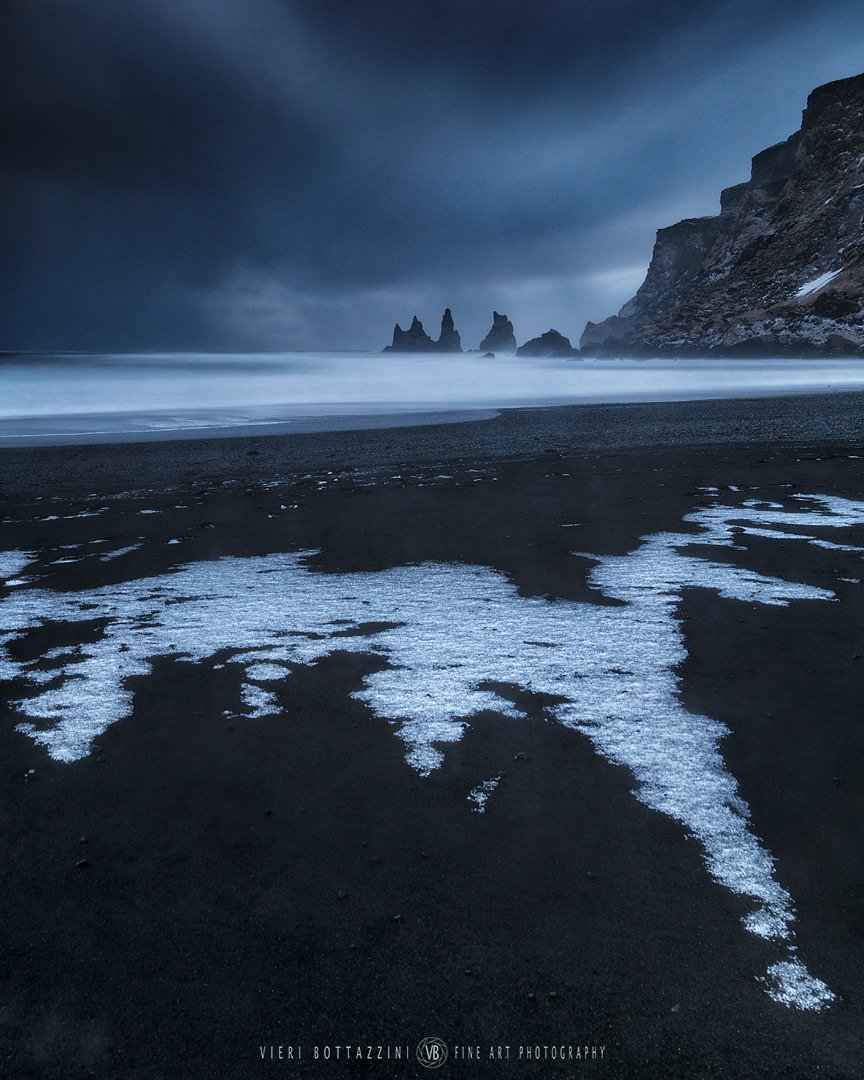
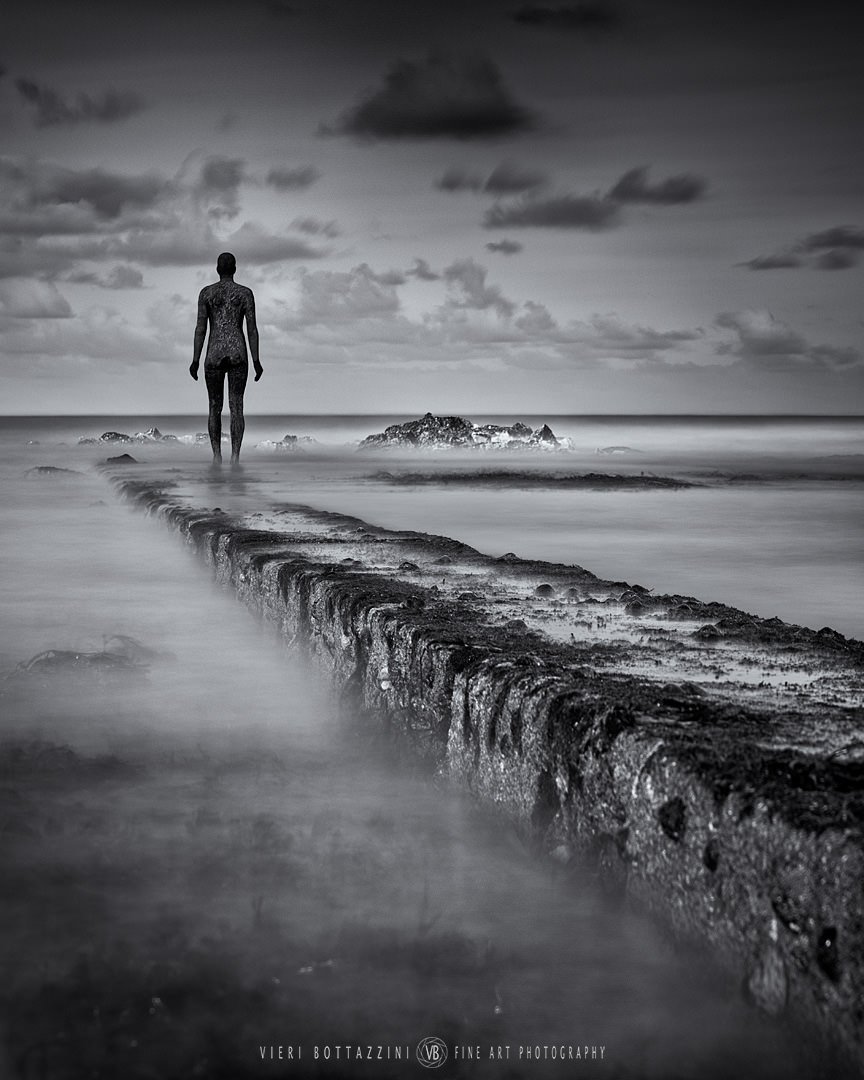
However, I can also guarantee you that never daring to experiment, either for fear of making mistakes, for fear of “going against the rules” or for whatever other reason, is the surest way to kill your creativity once and for all. I can also guarantee you that unless you pursue your artistic freedom and your creativity, mistakes and all, you’ll never realise your full potential as an artist and you’ll never be able to add your contribution to the huge and ever-growing richness of human knowledge.
THE IMPORTANCE OF RULES | Rules, when studying art, are extremely important, to be sure. They are there as examples and guidelines, they carry an historical value, they need to be learned, memorised, internalised. And then forgot, though. Specifically, you definitely need to know about the history of photography (and about the history of art, for that matter), analyse what others did before you and do today, learn and study the masters, learn about composition, learn about the expressive use of colours, of shutter speed, of aperture, of filters, and so on. And then move on.
Don’t worry, what you have learned is not going to disappear, it will work for you in your brains’ background. When you are out there working on your images, don’t occupy your conscious mind thinking about rules. As you progress through your voyage with photography, always keep studying and always keep learning. Also, keep putting what you have learned in the back of your brains, and keep not thinking about it when you are out there creating your own work.
Once you have assimilated your craft to the point that it just happens instinctively, and once you succeeded in internalising your knowledge to the point that you don’t need to think about it while you work, you’ll finally be ready to set your mind free. As a start, you’ll need not only to accept that you’ll make mistakes, and hopefully a lot of them. You’ll need to understand that what other people call mistakes are in fact just steps in the process of your artistic personality’s development.
More, you’ll need to understand that you’ll learn from yourself more than anybody else will ever be able to teach you. You’ll need to experiment, and you’ll need to be your most ruthless critic.
You’ll need to find the strength to trash your images when they don’t work and the will to start experimenting again every time you do so. At the same time, no matter how difficult it will be, you’ll need to keep an open and sensitive eye towards the world you are portraying.
You’ll need to keep loving what you do and what you photograph. You’ll need to keep your inner child’s eye alive, nurture it, cherish it, if you want to be able to see a scene anew every time you come back to it.
THE IMPORTANCE OF A MENTOR | To do all that (and keep your sanity!), in my landscape photography Workshops philosophy the role of a mentor is fundamental. I believe that it is truly helpful, and almost necessary, to have someone you trust as a mentor.
You’ll need a coach or an instructor understanding what you want to say with your photography and helping you to enable yourself to say it, both technically and artistically.You’ll need someone to show you the way, someone whose images you love and whose example inspires you. Someone who’ll be there to help you improve your craft as much as possible and set your creativity free.

Due to the nature of our art & craft, attending landscape photography Workshops is, in my opinion, your best option to get the support and tuition you need to make the most out of your journey with landscape photography.
A landscape photography Workshop is the best way (if not the only way) to develop your vision, improve your photography, explore some of the most inspiring spots on the planet while working with an expert instructor on your images, both on the field and in post-processing. Last, but certainly not least, you’ll be bringing home a portfolio of rewarding, rich, intense images. Images that you’ll have created, and that’ll represent only you and your vision.
This is my landscape photography Workshops philosophy, and this is what I pursue in my Workshops. Whether I am successful or not, is up to you to say.

Thank you for reading this post, I hope you enjoyed it! Why don’t you share it with your friends, or drop me a comment to let me know your thoughts about this?
2 thoughts on “LANDSCAPE PHOTOGRAPHY WORKSHOPS PHILOSOPHY”
Hello Vieri,
I signed up for your news letter and was supposed to received a e-mail to check that my e-mail worked.Have not got an e-mail yet.I enjoyed reading about you and your workshops.Let me know what to do about e-mail.I will leave it again below.
Hello Bobby,
thank you for your comment and thank you very much for your interest in my Newsletter – I hadn’t received your subscription request before, but I got one after you posted your comment here and I am happy to confirm you that it went through just fine and that you are now subscribed. You shall receive your first issue very soon!
Best regards,
Vieri