
FIRST OUTING WITH 4X5” FILM: THOUGHTS AND A PORTFOLIO
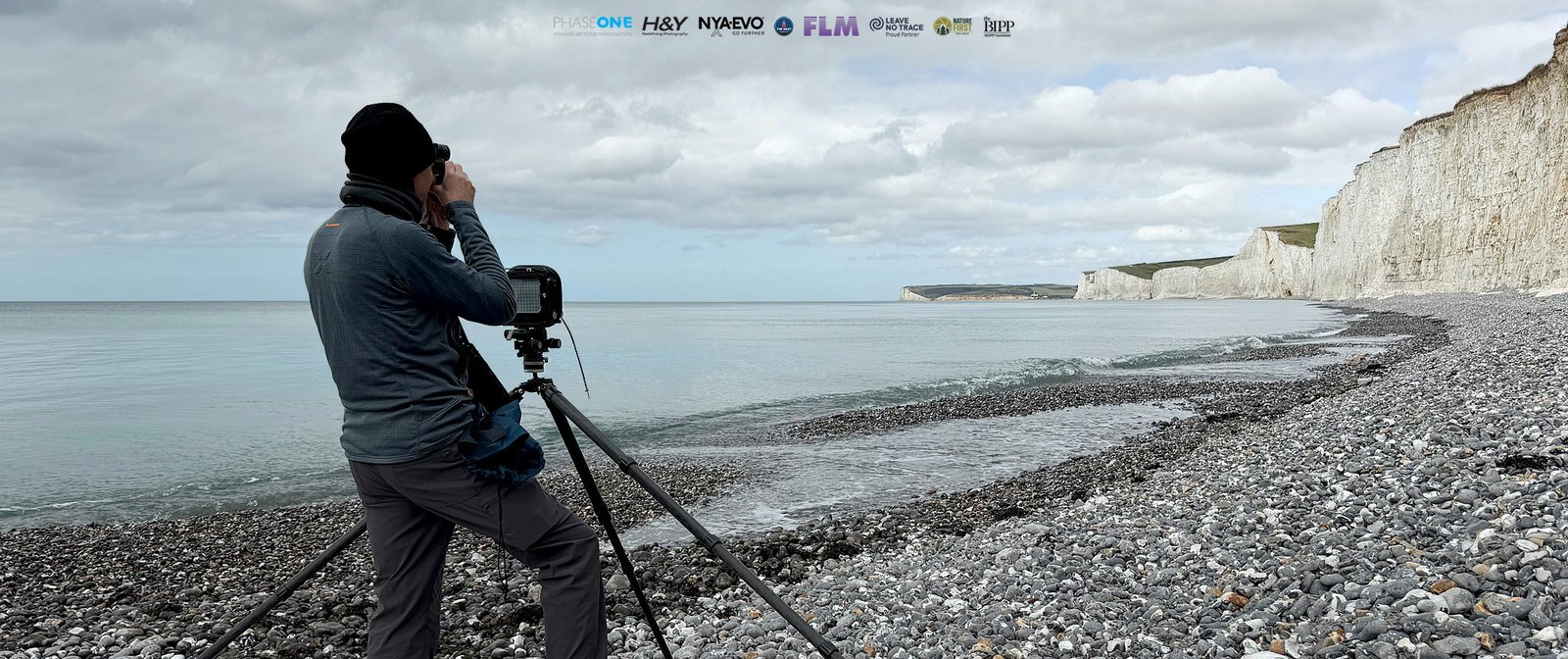
MY 4x5” ARCA-SWISS CAMERA IN KENT & SUSSEX: MY THOUGHTS AND AN ANALOG PORTFOLIO
After months studying and preparing myself for the move back to analog photography, in early September 2024 my wife and I were ready to hit the road again. This time, after 15 years of doing professional landscape photography with digital cameras, from 35mm to digital backs with tech cameras, I didn’t have one with me. Instead, I was proudly carrying a 4×5” film camera with me, my Arca-Swiss F-line custom.
A quick recap about how I got here. I am old enough to have started photographing with film, in the early 1980s. I moved full-on to digital for my professional landscape work in 2010, but I kept using film cameras until 2014 for my personal, street work. In 2022, after a couple of years of work with the Phase One IQ4, I started shooting only in black & white with a Phase One IQ4 Achromatic digital back as my main system. Soon, the Achromatic became my only system, and I stopped working in colour altogether.
Working exclusively in black & white, it slowly became natural for me to think about the next step: large format film. In January 2024, after coming back from our four-month trip around the World, I started studying and planning for it. I re-read Ansel Adams’ The Camera, The Negative and The Print cover-to-cover to start with; then, between photo books, photographers’ biographies, epistolary and so on, I got and read about 50 new books dedicated to analog photography.
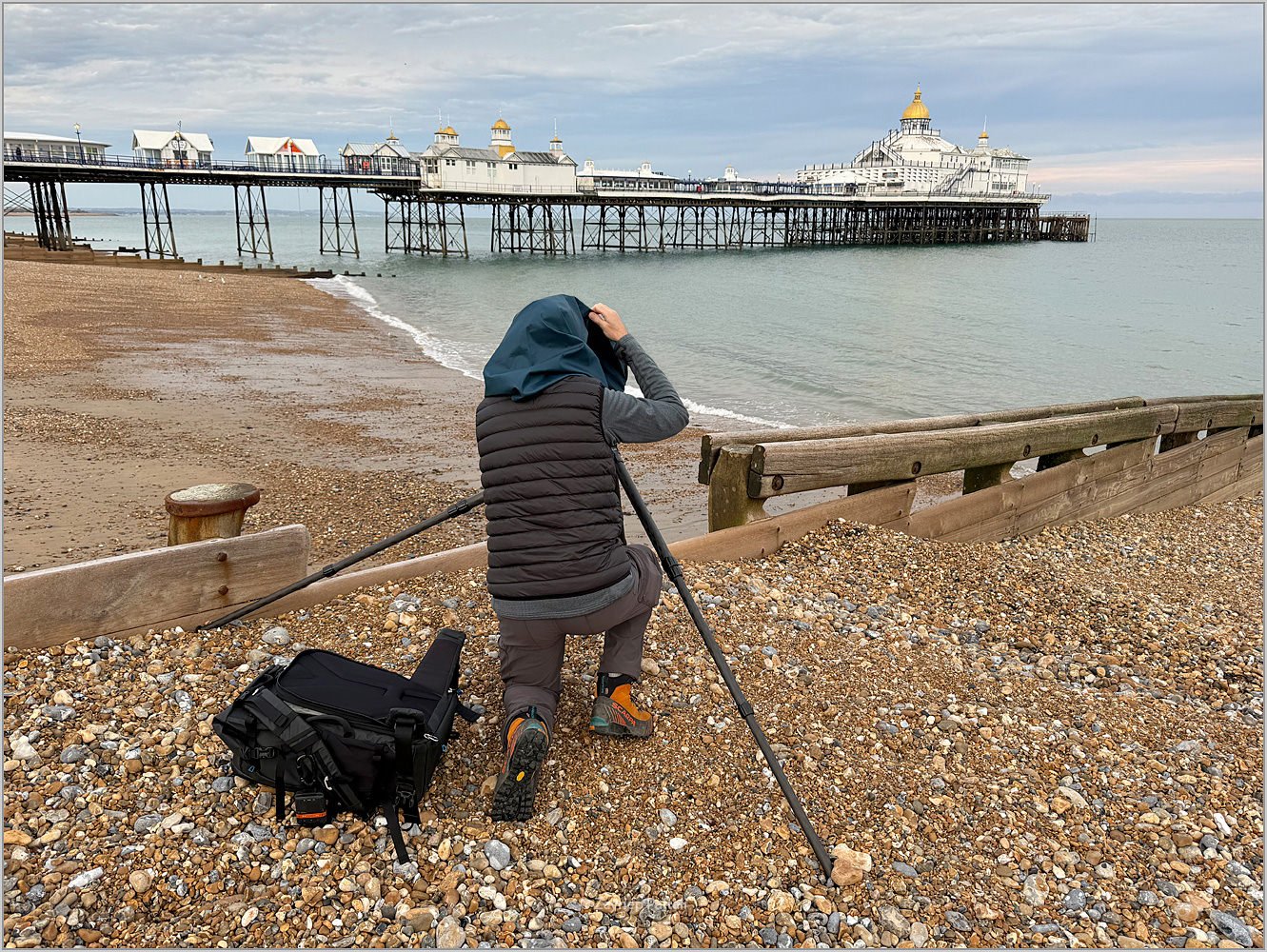
Meanwhile, to build the best kit for my needs I studied the gear, cameras and lenses. I wanted a kit as portable as possible, as fast and simple to set up and put back in the bag as possible, and supporting lenses ranging from 16mm to 85mm FOV equivalent to replicate my Phase One IQ4 kit.
CAMERAS | As far as cameras, I first got a Chamonix 45F-2, a beautifully made, foldable field camera with movements which supported the lens range I needed. Lightweight and compact, I tried it for a few weeks around Tuscany and loved it. However, I soon started missing geared movements; plus, the setup time and workflow was a bit more convoluted than what I considered ideal. So, I went and had Arca-Swiss put together a beautiful, custom-made F-line camera on my specs.
The camera is beautiful, precise and I can carry it ready to shoot in my bag; the only drawback, albeit a major one for some, is its weight: the Arca-Swiss is about 1 kg heavier than the Chamonix.

LENSES | As far as lenses, with my Phase One IQ4 I used for years a kit made by Rodenstock 23mm, 40mm and 180mm (about 15mm, 26mm and 112mm FOV equivalent) and a Schneider 90mm (about 56mm FOV equivalent). So, when putting together a 4×5” lens kit, I went and tried to replicate that as closely as possible, while keeping bulk and weight down.
The good (and bad) thing with large format photography is that Rodenstock, Schneider, Nikon and Fuji don’t produce those lenses anymore; everything must be found on the second-hand market. That’s great since one can find amazing lenses for very reasonable money; the flip side of the coin is that these lenses are old, sometimes very old, and one must choose wisely.
On my quest for my final kit, I tried the following lenses (you’ll find their diagonal FOV equivalent between brackets): Schneider Super-Angulon 5.6/47mm XL (13,5mm), Rodenstock Apo-Grandagon 4.5/55mm (15,5mm), Nikkor-SW 75mm f/4.5 (21mm), Schneider Super-Symmar 4.5/80mm XL (23mm), Schneider Super-Symmar 5.6/110mm XL (31mm), Schneider Apo-Symmar 5.6/150mm and Nikkor-W 150mm f/5.6 (42,5mm), Nikkor-W 210mm f/5.6 (59mm), Nikkor-M 300mm f/9 (85mm). See GEAR & EQUIPMENT for a full list of what I ended up choosing.
In the end, for my first three-month outing I settled for the Rodenstock 55mm (15,5mm), Schneider 80mm (23mm), Schneider 150mm (42.5mm) and Nikkor 300mm (85mm). These are all optically amazing lenses, and they cover a similar set to the one I had with my Phase One kit, just a little shorter on the long end – which I actually prefer – while being very small and light.
WIDE-ANGLES | Traditionally, ultra-wide angles are not very popular lenses with 4×5” cameras. They are not as easy to use, since the darkening of their corners can make focusing and composing less easy than longer ones, and they don’t have a large enough image circle to allow for much movement, thus reducing their usefulness.
Focal lengths around 75mm were considered wide enough on 4×5”; as an ultra-wide angle lover, though, I was looking at 47mm and 55mm as my widest options and was a bit concerned about how easy would have been to use these focal lengths on 4×5”.
In practice, I found the Rodenstock APO-Grandagon 55mm f/4.5 to be a great lens to use; granted, composing and focusing is easier with longer lenses but I didn’t find that to be an unsurmountable hurdle.
On our next three-month stretch on the road, I will bring my Schneider Super-Angulon 47mm XL as well, and see what I can do with it.
LIGHTMETER & ACCESSORIES | Then, I got myself an old, but very accurate, Pentax Digital Spotmeter (1 degree), a dark cloth, a set of 12 4×5” Chamonix film holder, which I preferred to the older Fidelity or similar due to their better security system, to complete the camera part of the kit.
FILTERS | Last but not least, filters. With my digital kits, for the longest time I carried a 100mm square kit including a polariser, a set of Grad ND filters, and – before the amazing Frame Averaging feature of the Phase One IQ4 – a set of ND filters as well.
As we know, shooting digital you must prevent highlights from burning; once they are gone, they are not recoverable. Modern sensors, on the other hand, have a lot of room for recovery in the shadows. With digital, we need to expose for the highlights, and post-process for the shadows.

With black & white film, on the other hand, you need to expose for the shadows and develop for the highlights. When it comes to filters, this means that I suddenly had no use for Grad ND filters anymore; all I needed was a polariser, ND filters for long exposures, and – if I so desired – colour filters to control the tones in my photographs.
So, I moved to a magnetic, round filter system, which is much smaller and lighter than my previous 100mm square filter one. Today, in my bag I have a polariser, 3, 6 and 10 stop ND filters, an orange and a red filter and I am good to go.
FILM & DEVELOPER | Before hitting the road with my new 4×5” system, I decided to do some testing to settle on a film / developer combination. I tried Ilford FP4+, Ilford Delta 100, Fomapan 100 Classic, Fomapan 200 Creative, Adox CHS II and Catlabs 80; I developed each in Pyrocat-HD, D-23, FX-39, Jobo 9511 and Rodinal stand and compared the results looking at sharpness, grain structure and tonal range.
In the end, my favourite combination turned out to be Ilford FP4+ developed in Pyrocat-HD, followed by Fomapan 200 Creative also developed in Pyrocat-HD.
Ilford FP4+ was an old friend, a film I loved in 35mm and 120 sizes back in the day. While I disliked Fomapan 100 Classic, Fomapan 200 Creative – exposed at 100 ISO – was a completely unexpected and very pleasant surprise: while not as good as FP4+, it features very good sharpness and grain structure, paired with a beautiful tonal range. Its only serious drawback, for me, is a much more delicate emulsion, compared to FP4+. It scratches way more easily and needs to be handled with care. But, at half FP4+’s price, it’s hard to argue with Fomapan 200 Creative.
IN THE FIELD | So, how did I find working in the field with a 4×5” film camera? In a word, I loved it!
Coming from a tech camera with digital back, I was used to using some tilt and shift / rise. My Arca-Swiss 4×5” F-line camera simply added even more flexibility to that, giving me full control over my compositions thanks to front and back rise, front and back tilt, front and back swing, all in very generous amounts.
I quickly got the hang of exposing with a spot meter, which offered me total control over my negatives. That way of working, and thinking about exposure, was a pleasant change compared to digital.
The camera workflow, on the other hand, needed some adjusting to. Using 4×5” film is a slower process, with a few more steps than any digital cameras, including tech cameras with Phase One backs.
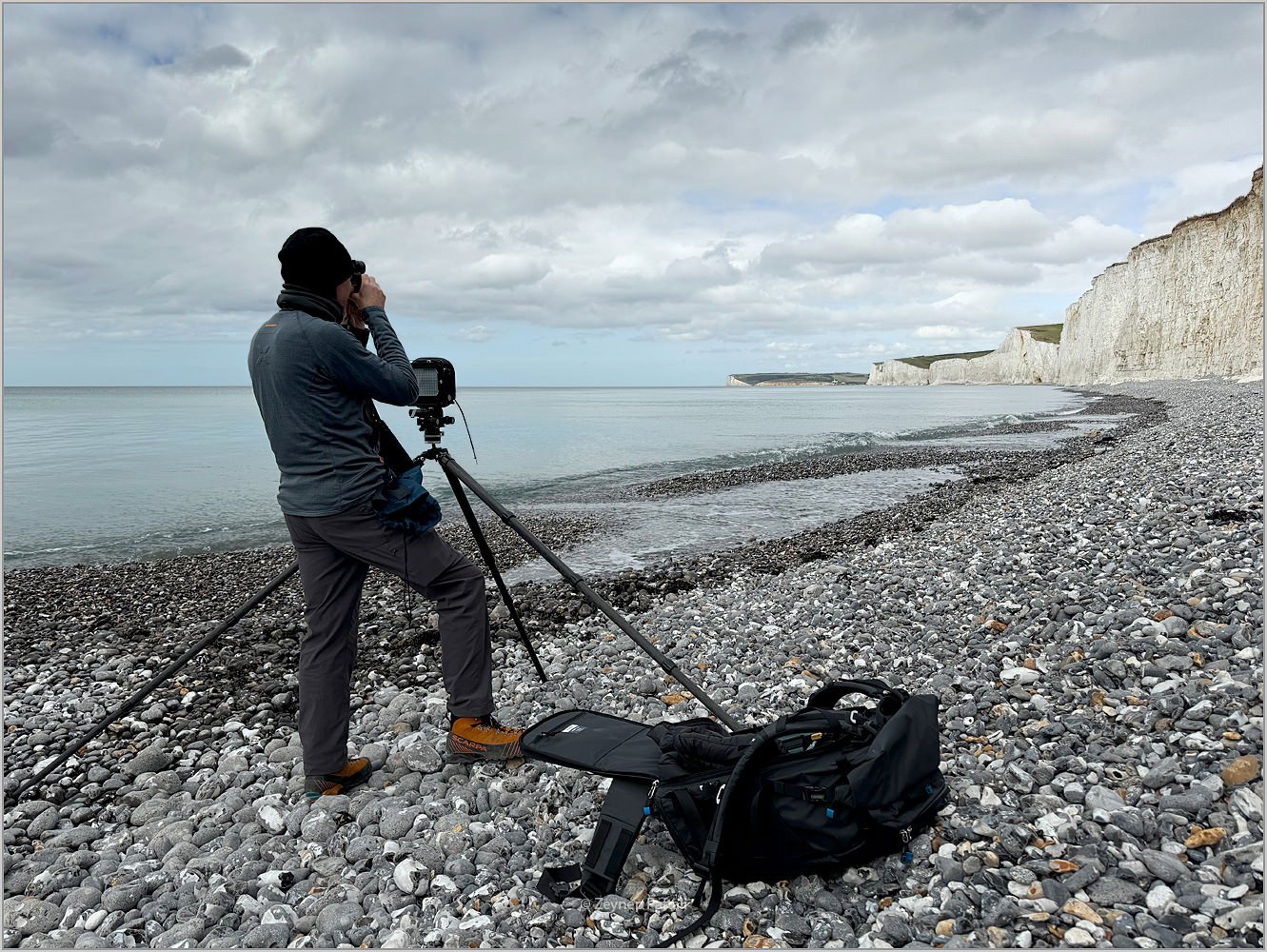
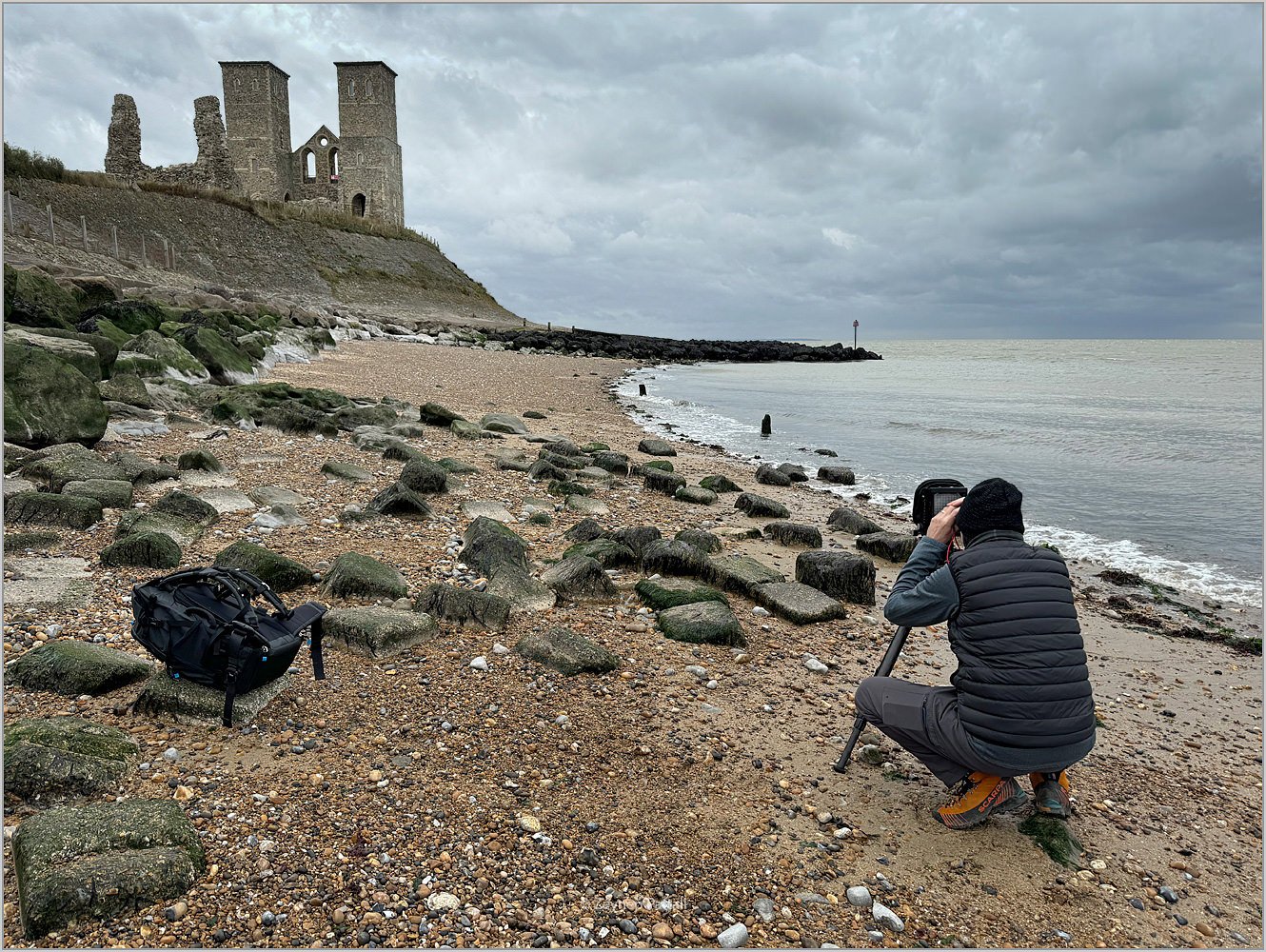
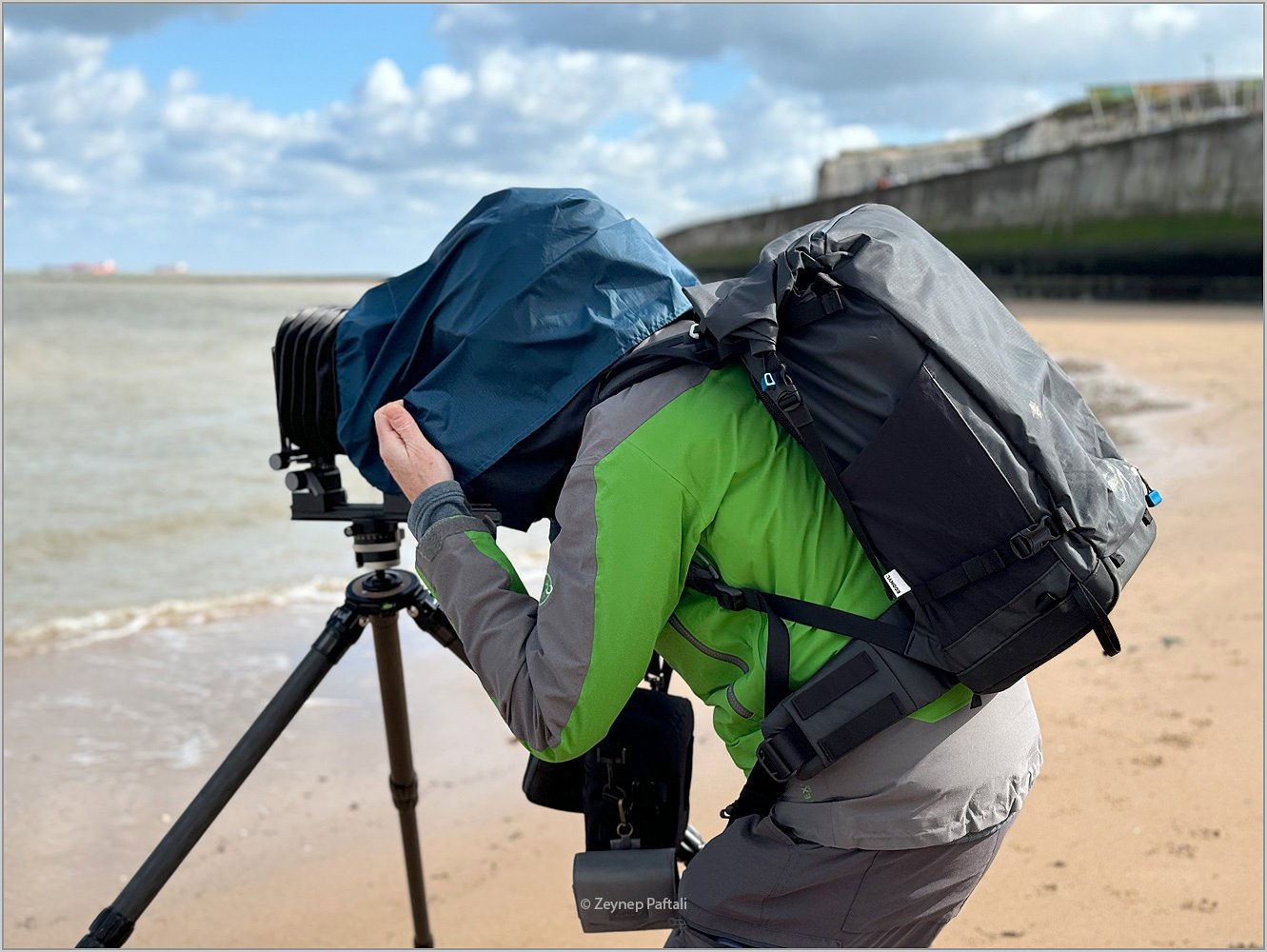
Here’s your average sequence: take the camera out; put it on the tripod; open the shutter and the diaphragm on the lens; attach the dark cloth; compose; focus (using a loupe to magnify); magnetically attach filters (first a polariser ad set it, then ND or colour filters as needed); calculate exposure time by compounding filters and taking reciprocity failure of film into account; close the shutter on the lens; set aperture and shutter speed on the lens; insert the film holder; remove the dark slide; take a shot using a cable release; reinsert the dark slide; remove the film holder. Repeat for the next shot. Easy enough, right?
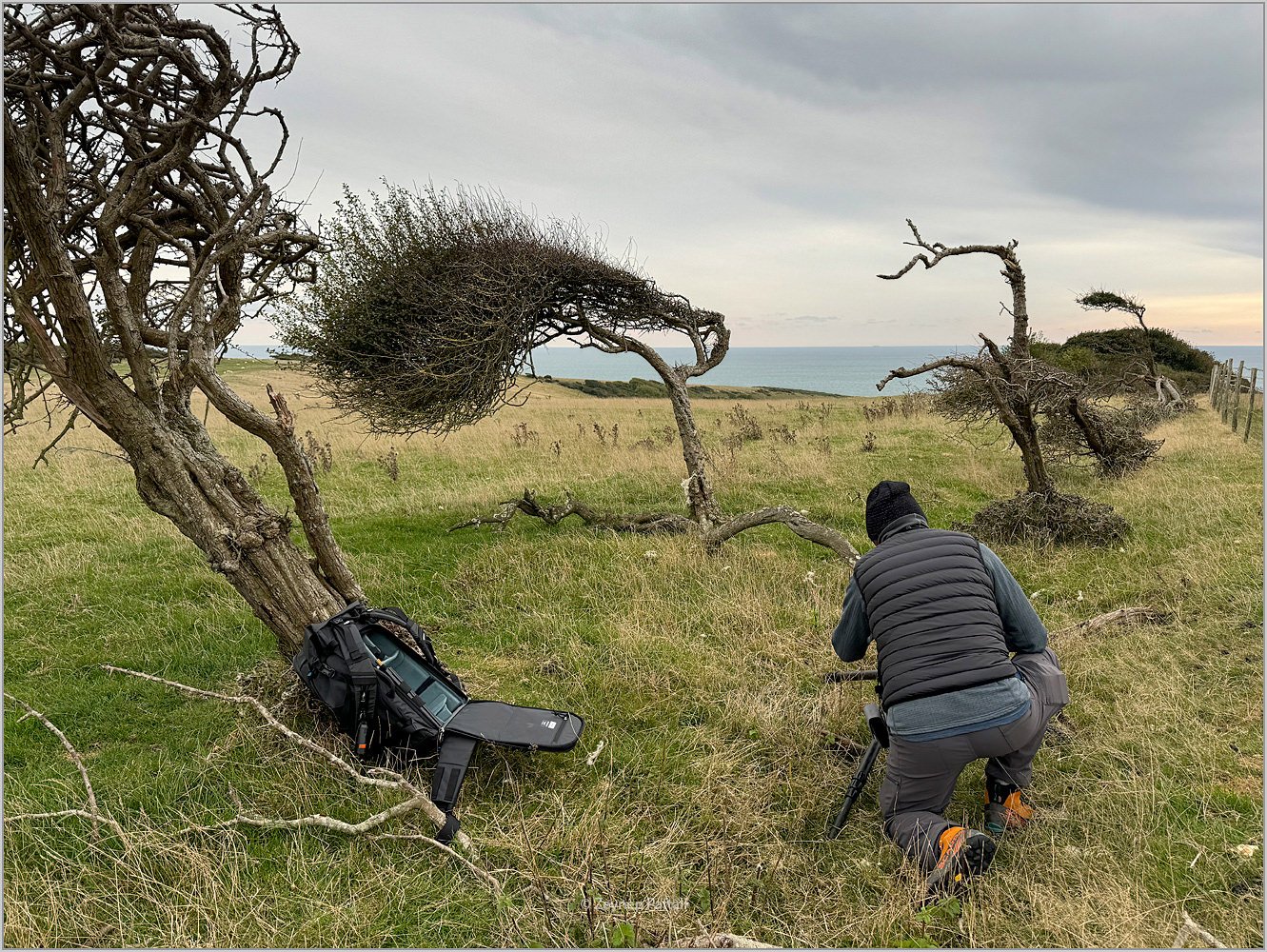
THE WIND | Famously, the wind – and, I’d add, general lack of stability – is the archenemy of large format cameras. As someone fond of using long exposures for expressive reasons in my work, that was a concern for me. In my experience, both during this first outing and in the following months, wind is indeed a problem but one that can be mitigated through good tripod technique.
A sturdy tripod, such as my FLM CP38-L4 is the first step (get it at a 10% discount HERE, using code vieri10 – disclaimer: if you order following that link I will get a small commission); then, careful tripod placement, both in the choice of which segments to open and how wide to spread the legs, and which feet to use, helped me minimize the issue.
During this first part of our trip, I shot 87 photographs; out of these, over half were long exposures. Overall, I lost just 11 shots due to micromovement (mostly wind, sometimes unstable ground).

TRIGGER HAPPINESS? | I was never one to shoot too enthusiastically. To give you an example, over one and half months in the Pacific Northwest, last year, I took just over 700 shots. Still, I could if I wanted to; but while with digital I had an almost unlimited number of shots available, with my Arca-Swiss 4×5” camera I carried 12 negatives per session in my film holders’ bag.
This, plus the camera’s slower process, made sure I took a shot only when I was absolutely sure that everything was as good as I could make it. Extra careful composition, triple checked focus, perfect exposure, and so on.
Out of the 87 photographs I took in Kent & Sussex, 22 ended up as keepers, which is a ratio I am very happy about.
FIRST OUTING: A PORTFOLIO | Going back to the beginning of our story, in September 2024, my wife and I set off to our Fall Workshop season, which was to bring us to the Dolomites for four back-to-back Workshops, then to Tuscany & Cinque Terre for one Workshop, then to Scotland for our Glencoe & Isle of Skye Workshop, then to Iceland for the last Workshop of the season. Finally, before going home for the holidays, we were going to Comacchio in Italy for 5 days of personal work in the river Po’s Delta.
This time, I was going to bring my 4×5” Arca-Swiss camera with me; doing a full Workshop season with an analog camera was very exciting, yes, but somehow worrisome as well. So, I decided it would have been good to spend some time getting used to the camera in the field before the Workshops. To do so, we went for 10 days to England to explore and photograph the landscapes of Kent and Sussex.
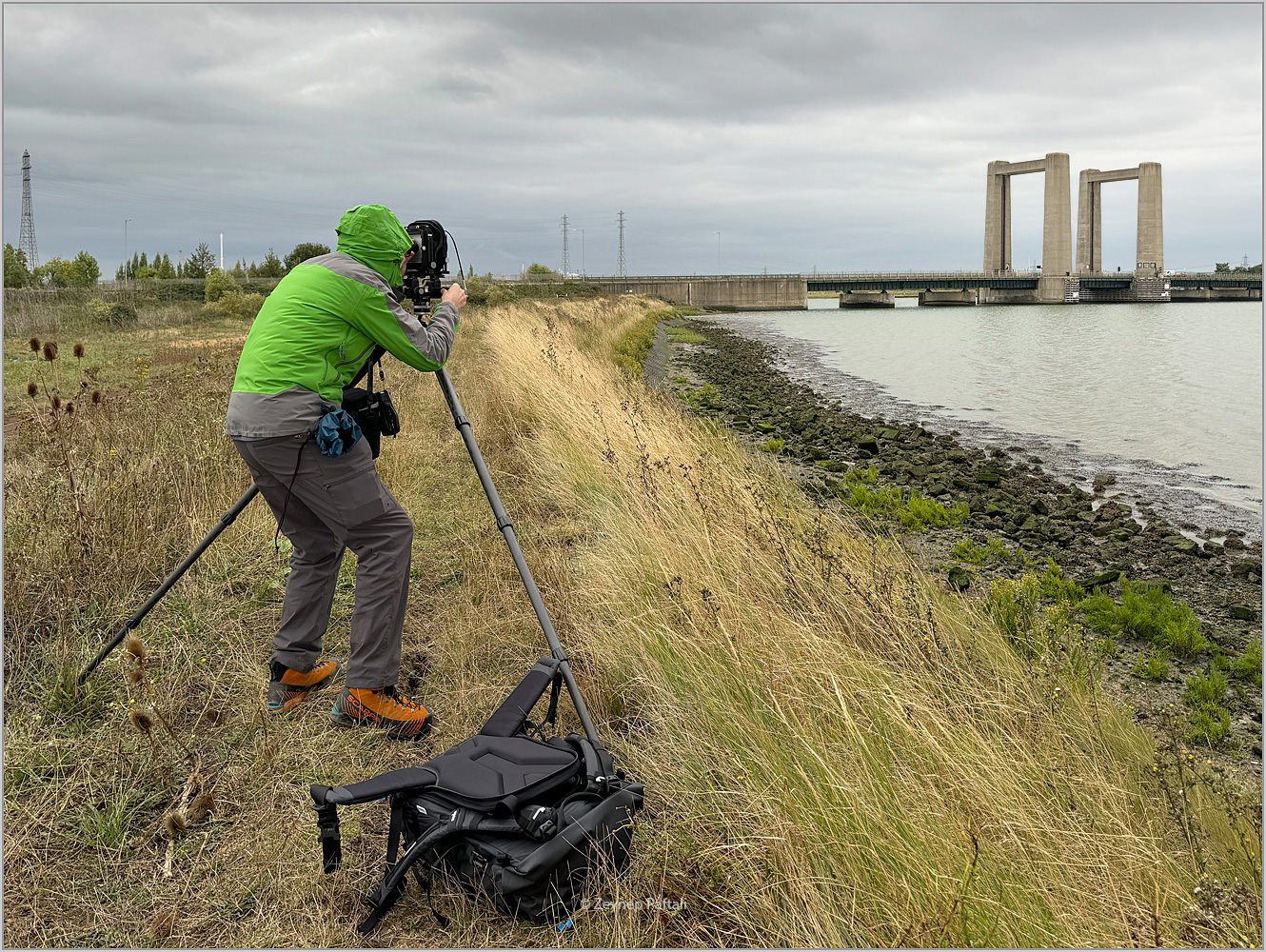
KENT & SUSSEX | The UK is a country of exceptional natural beauty offering some of my favourite destinations ever for landscape photography. Cornwall, Dorset, Wales, Northumberland are all amazing; and then there is Scotland, which is as close to my soul as very few other places on the planet.
Out of all that the UK offer, I am aware that Kent & Sussex may sound like an odd choice; but I believe that there is inspiration to be found everywhere. I went to Kent for a couple of days a few years ago, before a private Workshop in Dorset, and found the interaction between man and nature, combined with some beautiful landscapes, very inspiring. I was looking forward to going back at some point.

More, I expected the weather to be conducive to the kind of photography I had in mind, while not being as challenging as, say, Iceland in winter, allowing me to get acquainted with the camera in less hostile environments. So, as she always does, my wife prepared a rough program for our ten days there, and off we went.
Below a small gallery with the results of our trip:

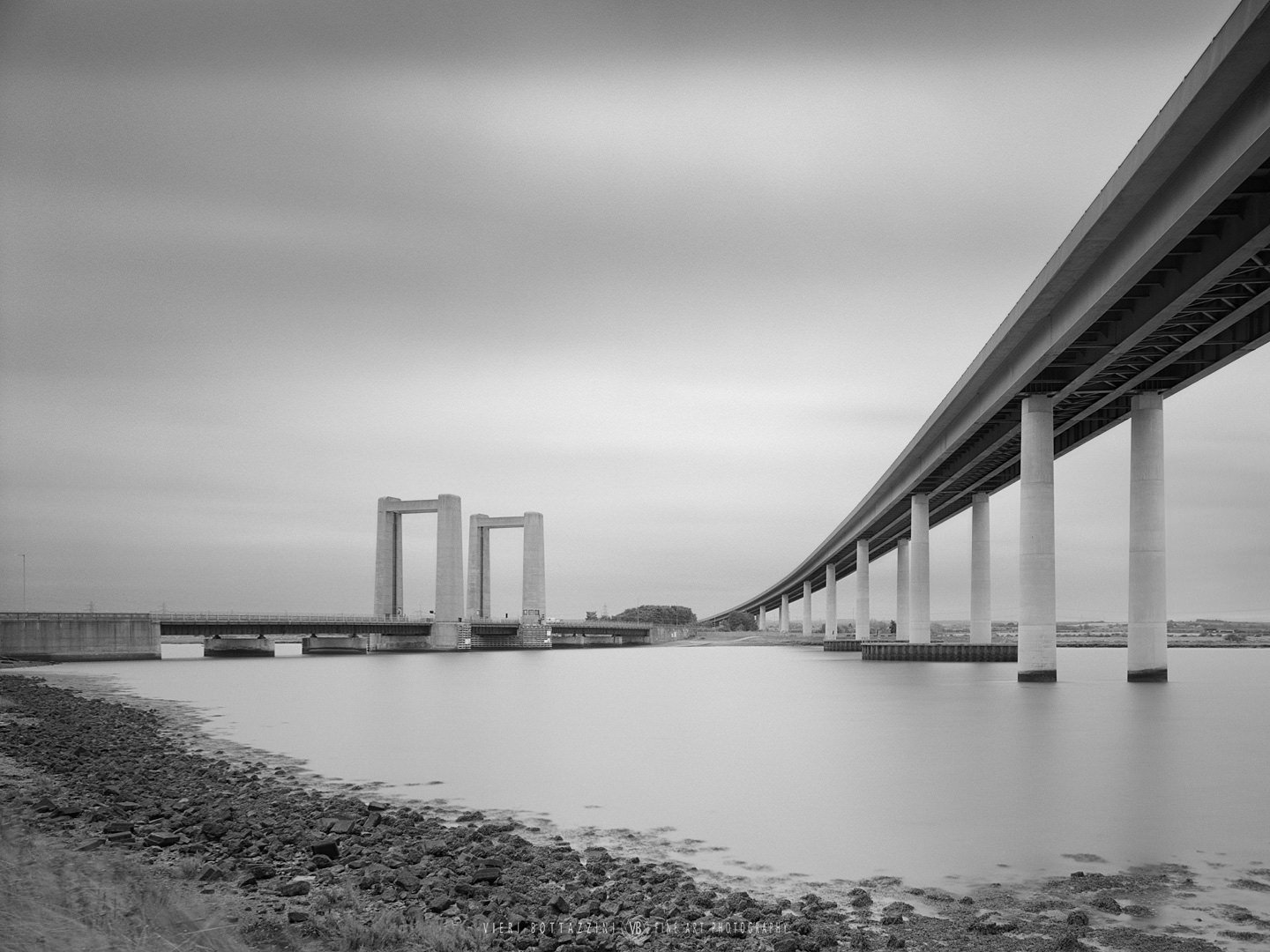

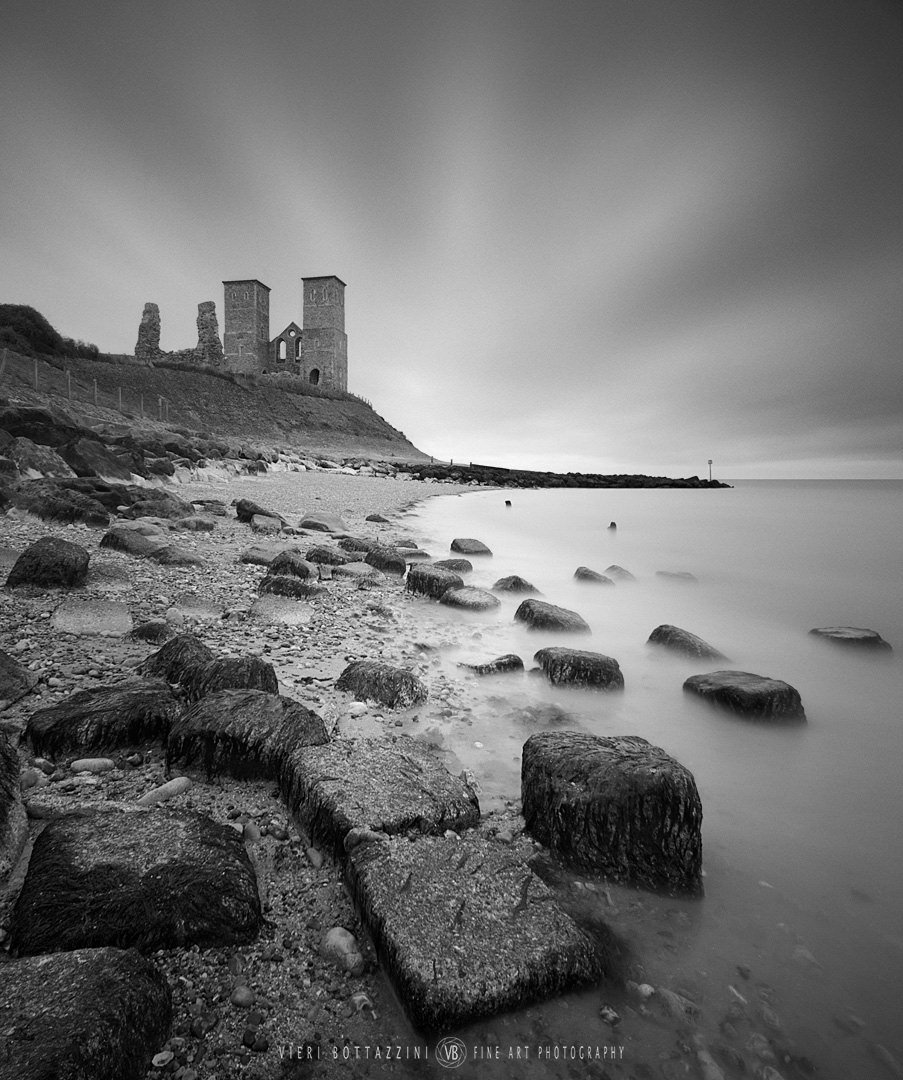
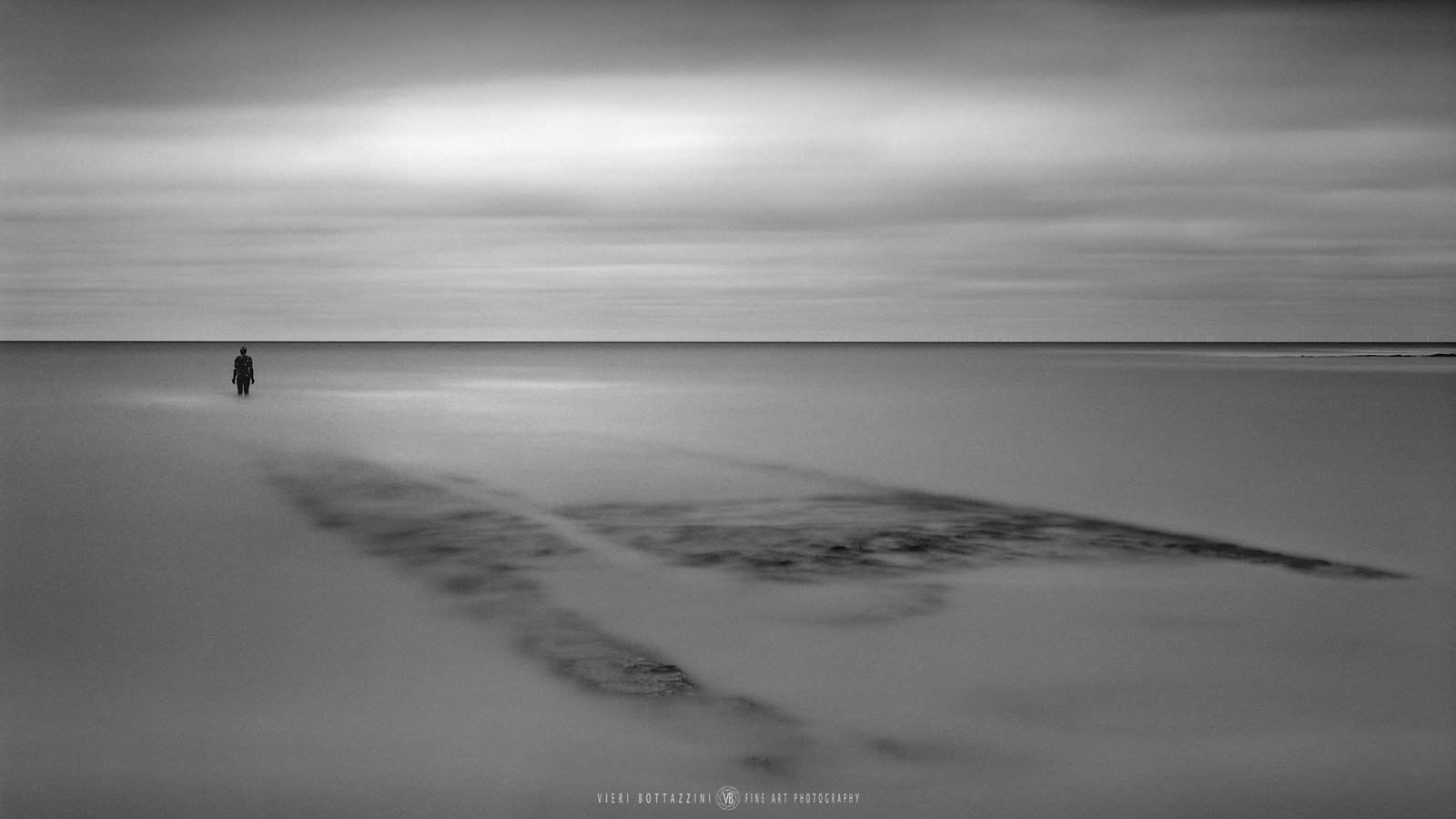
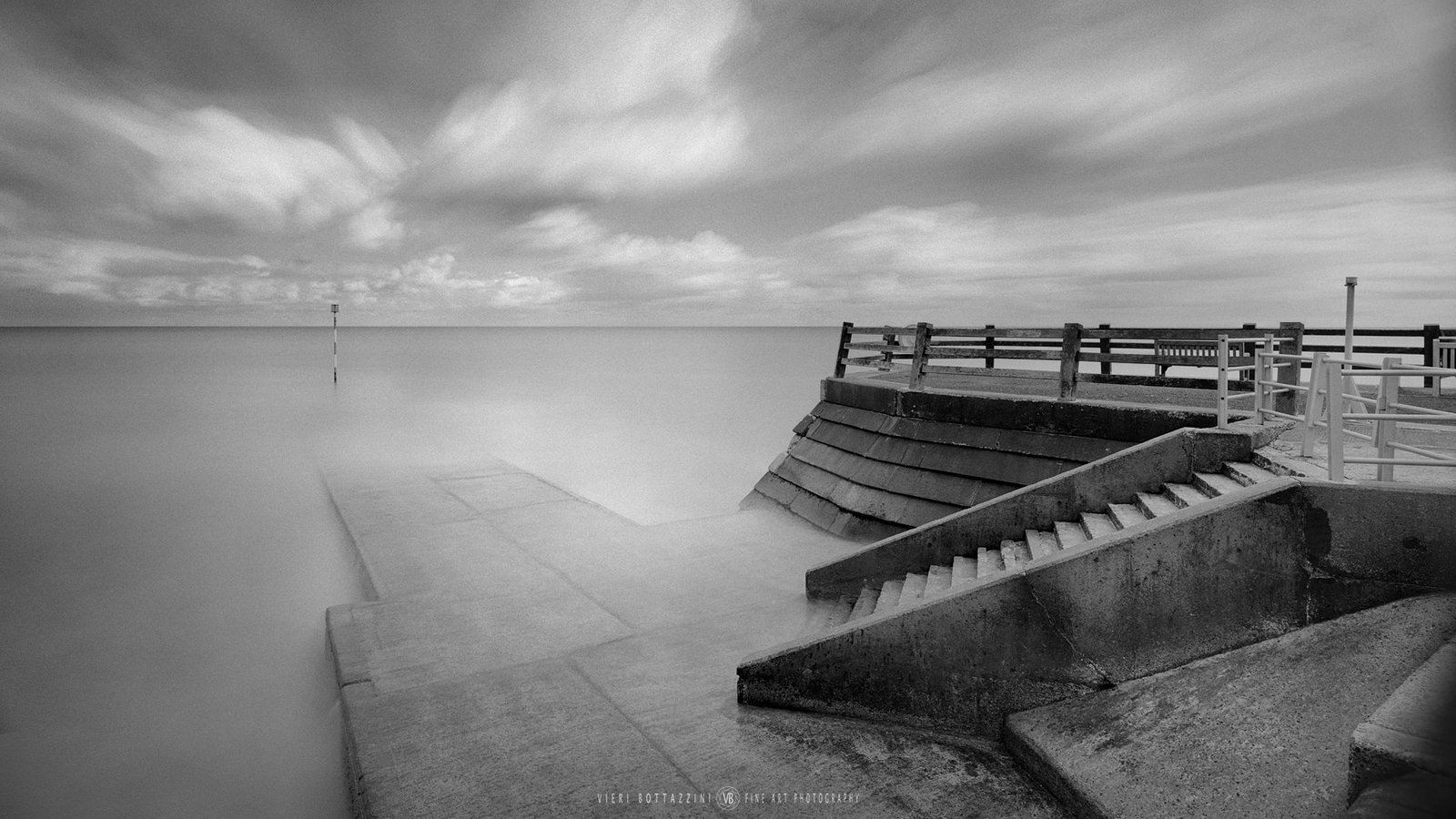
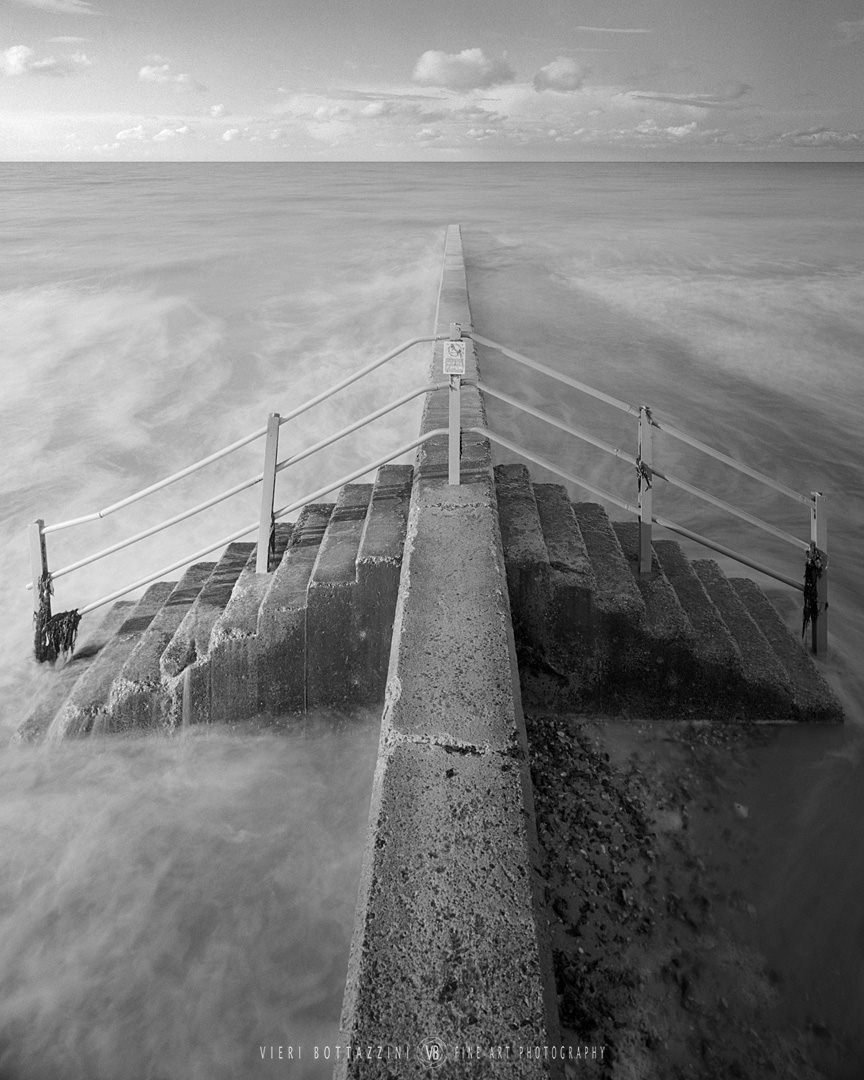
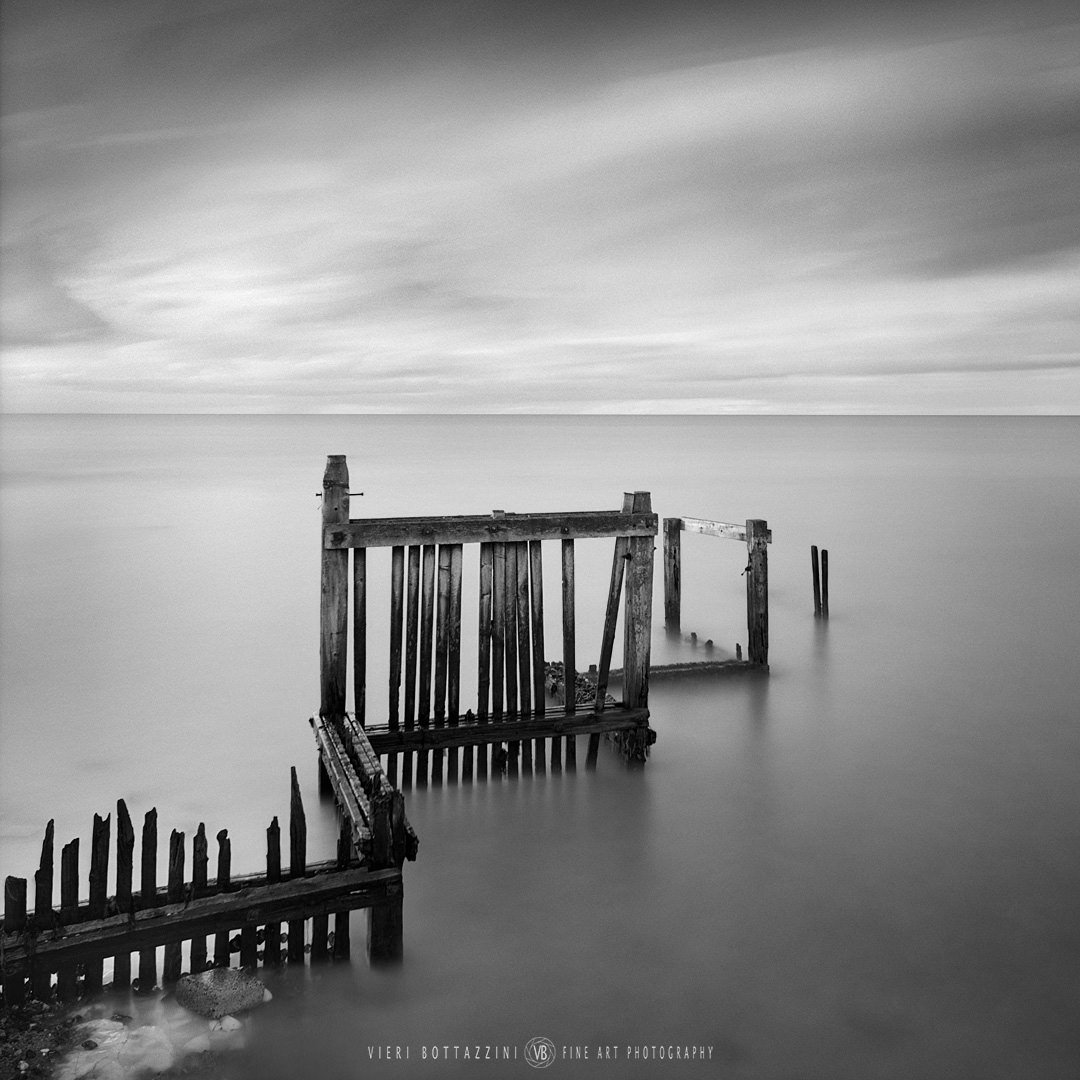
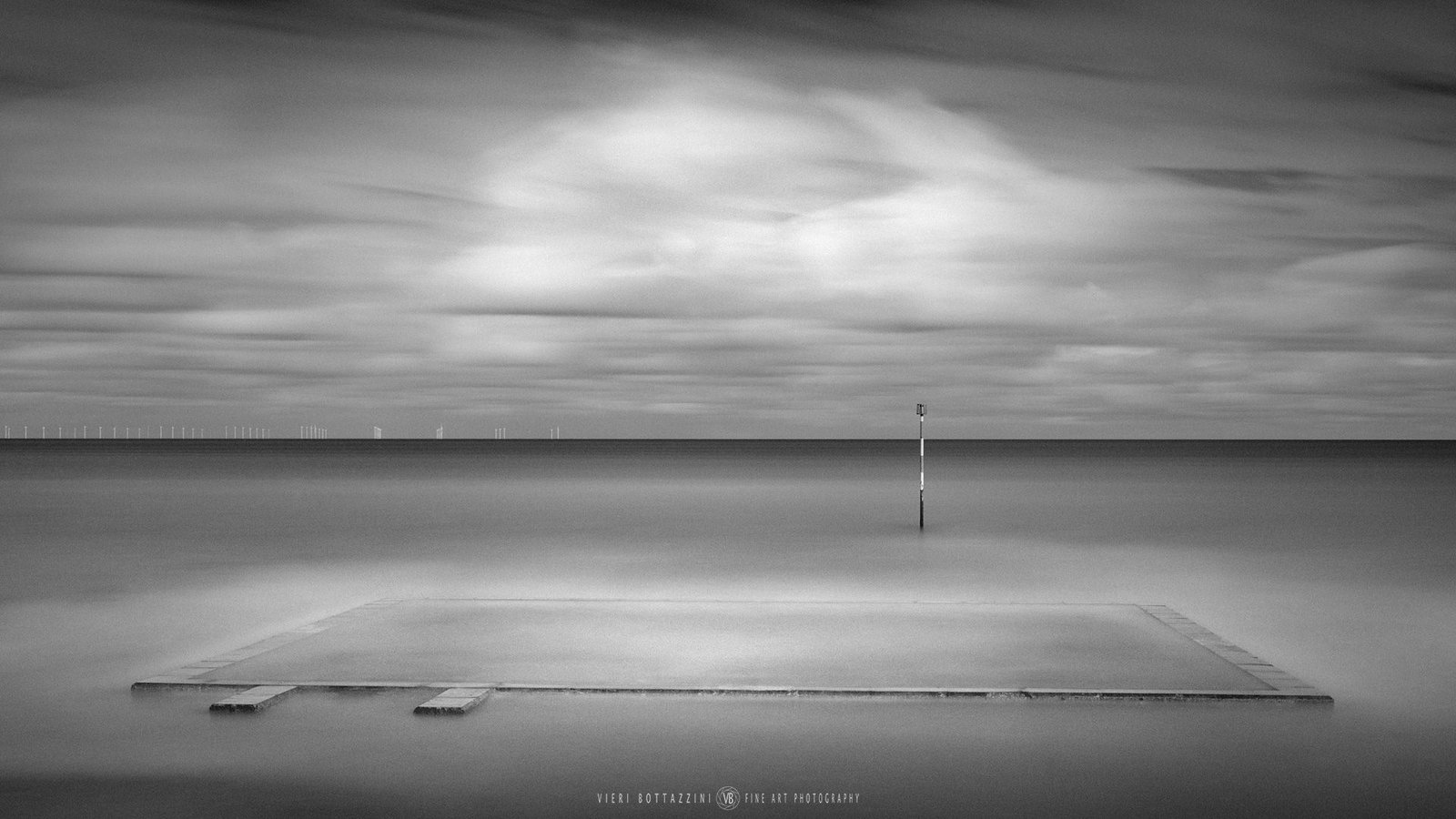
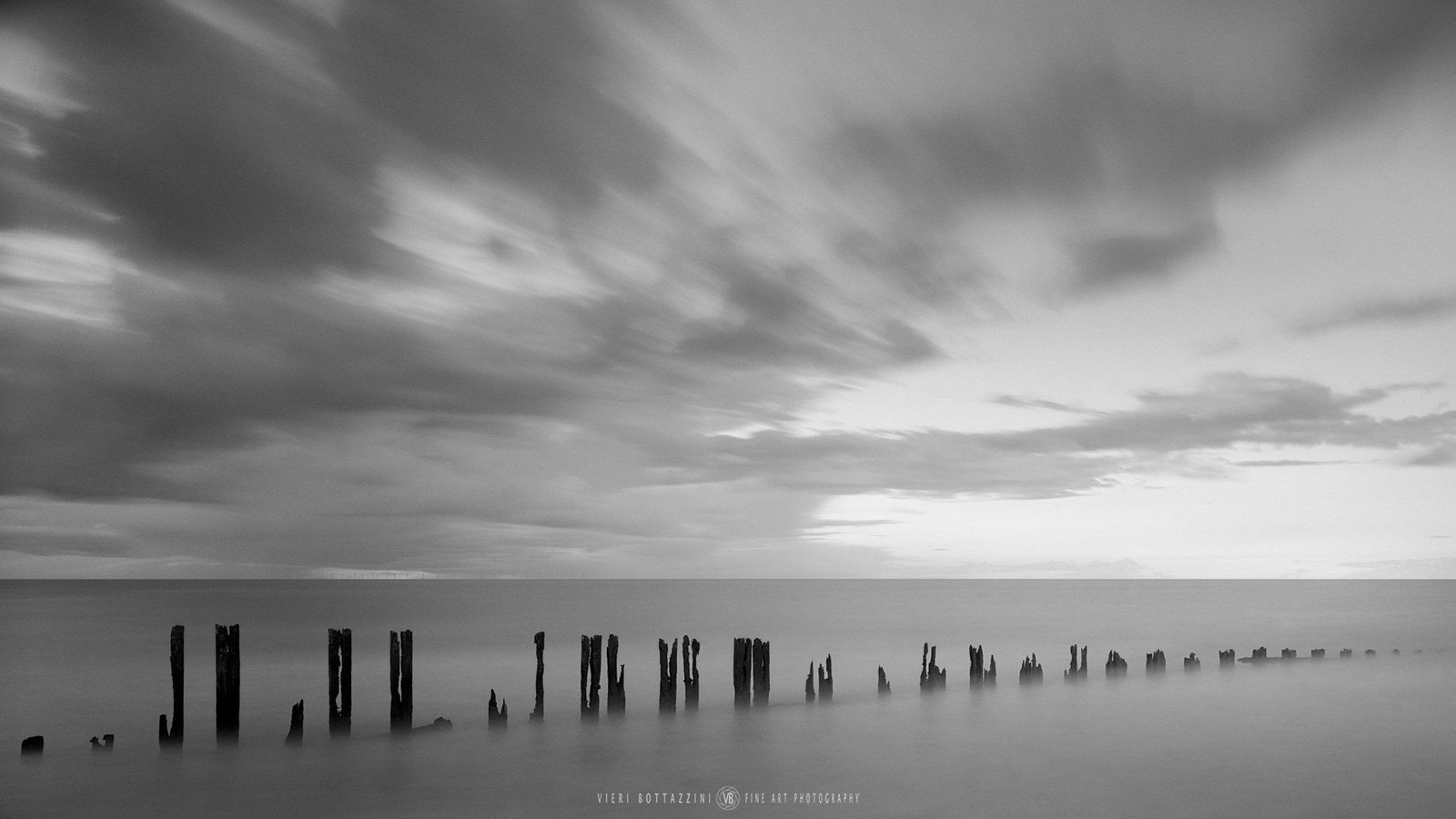

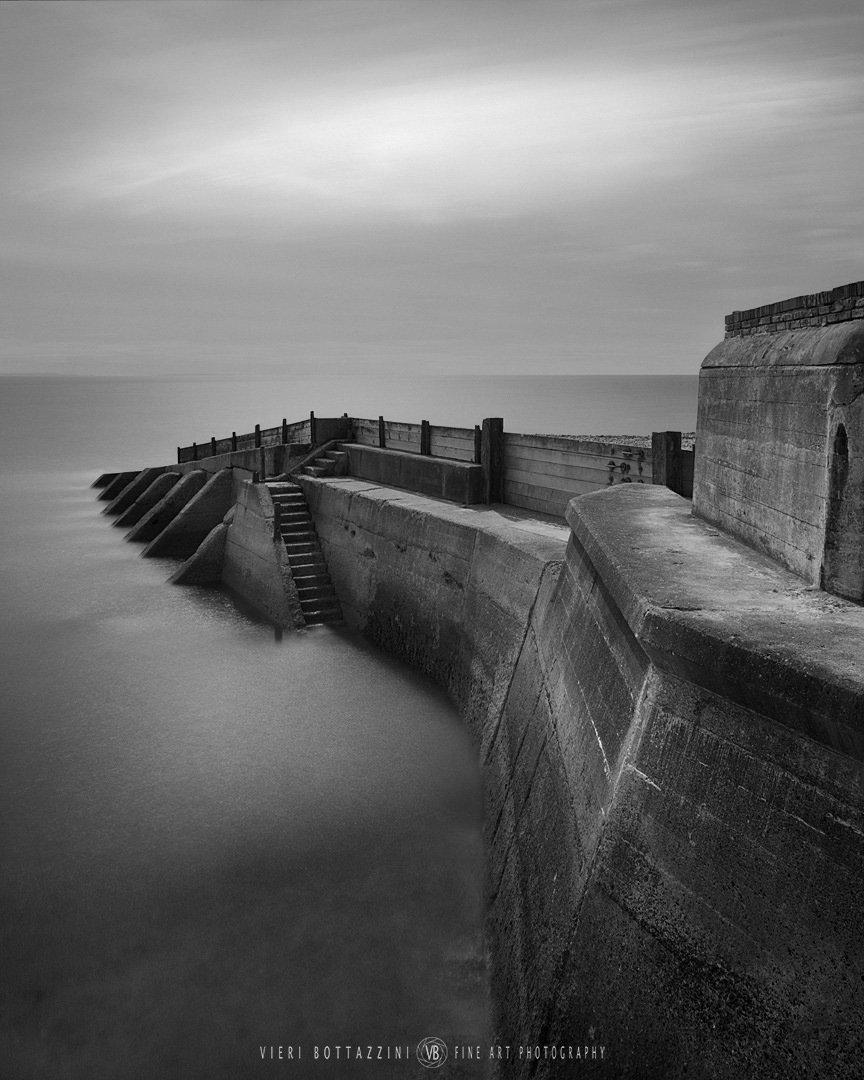
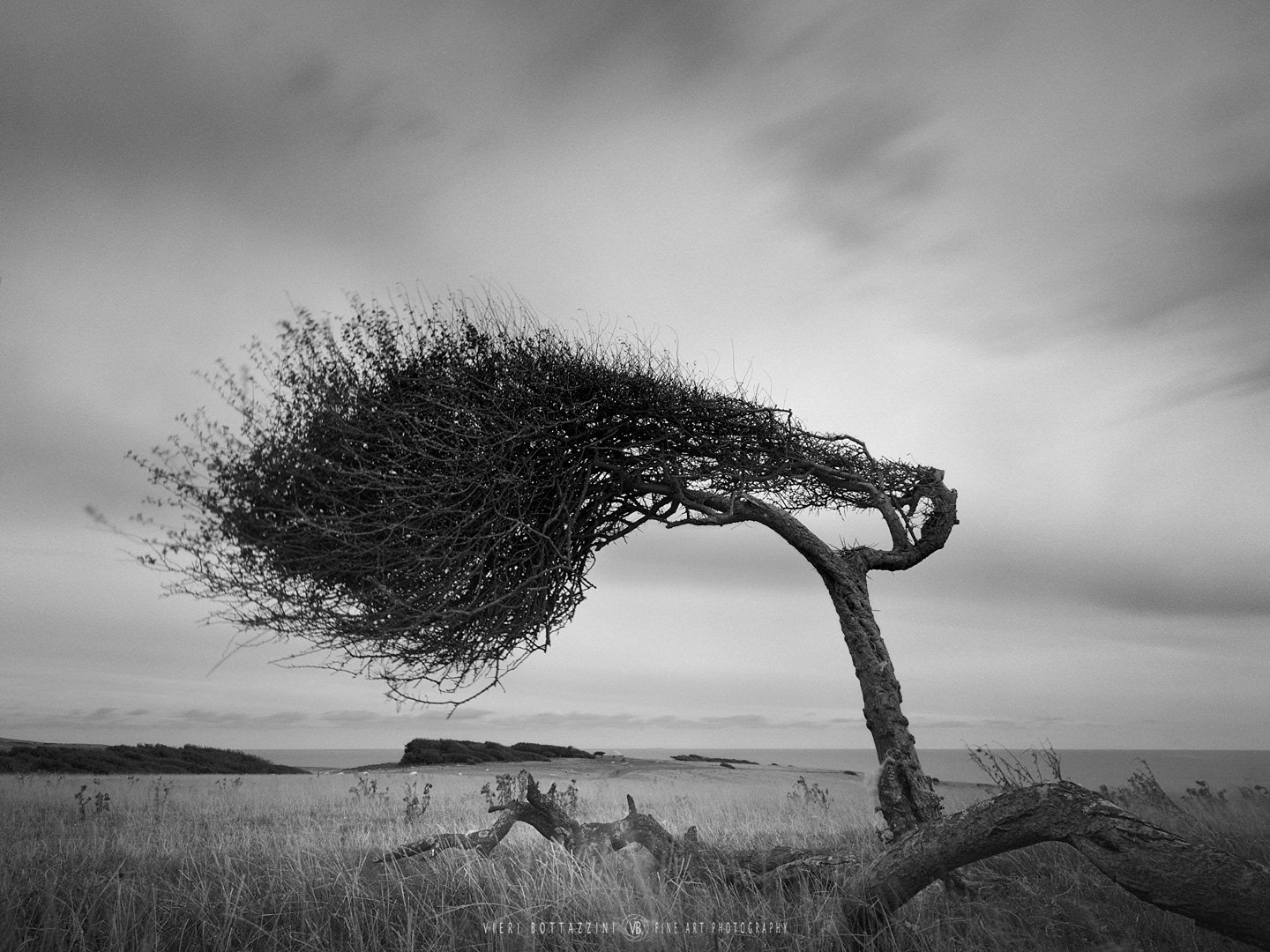
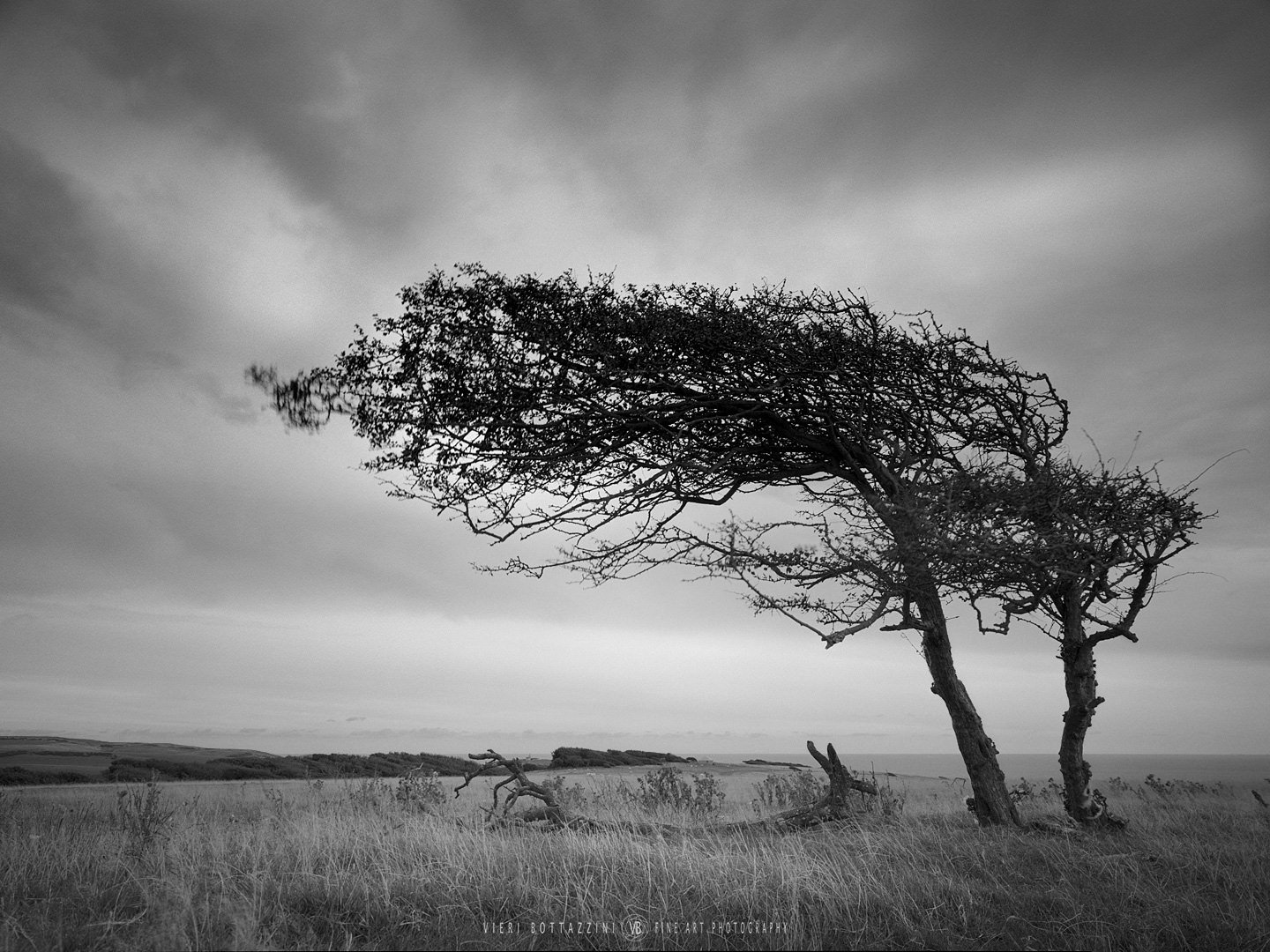
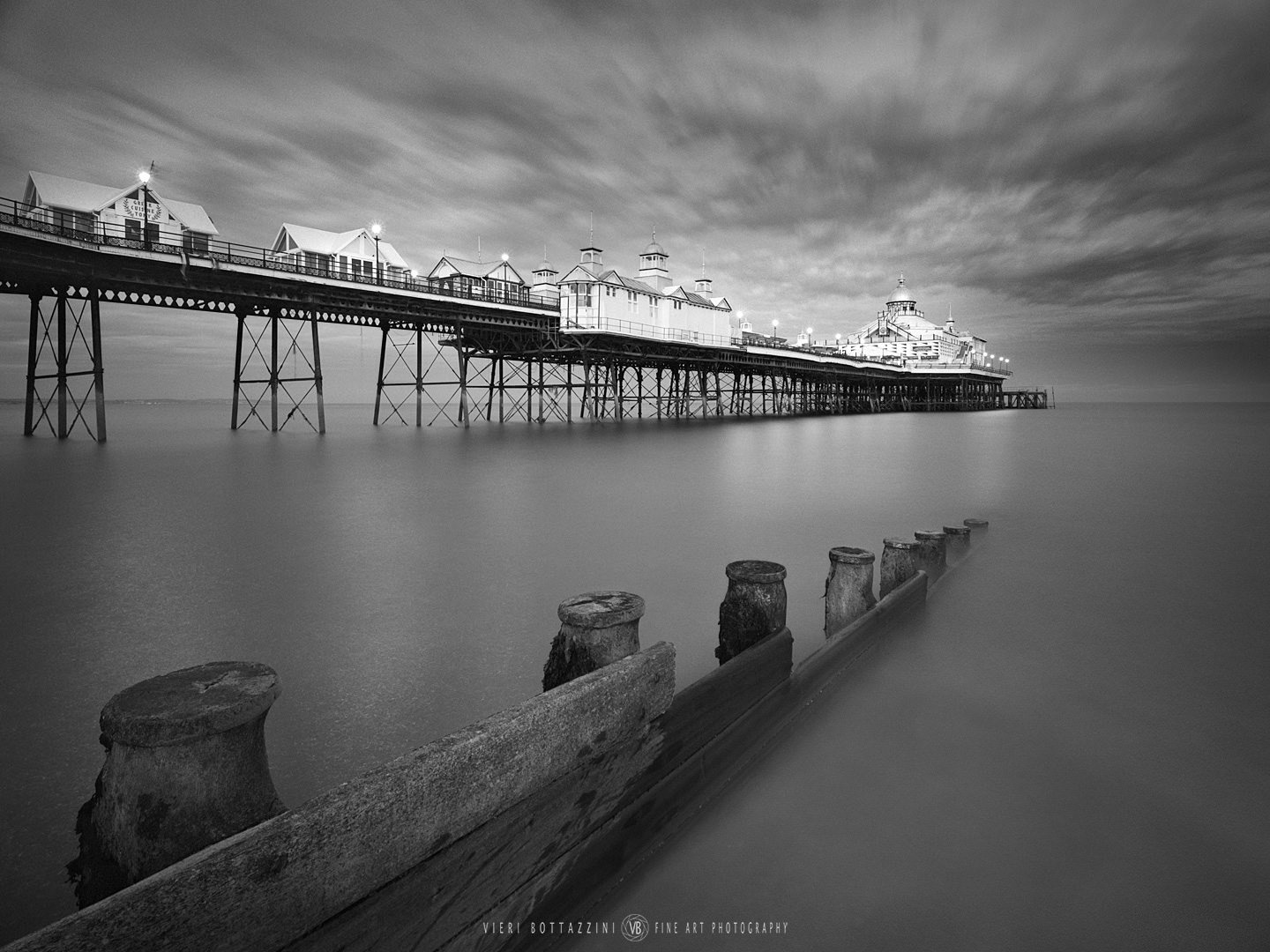
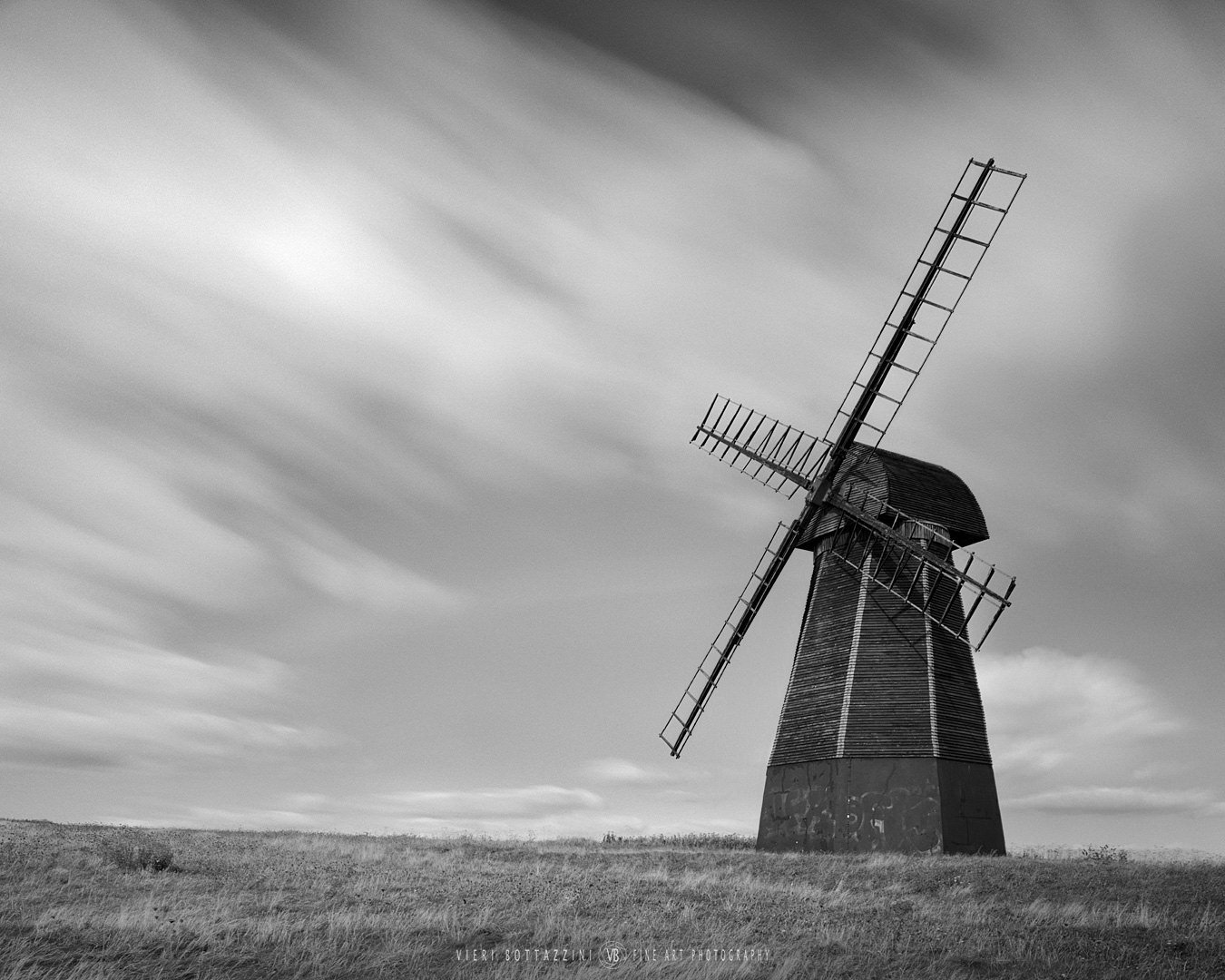
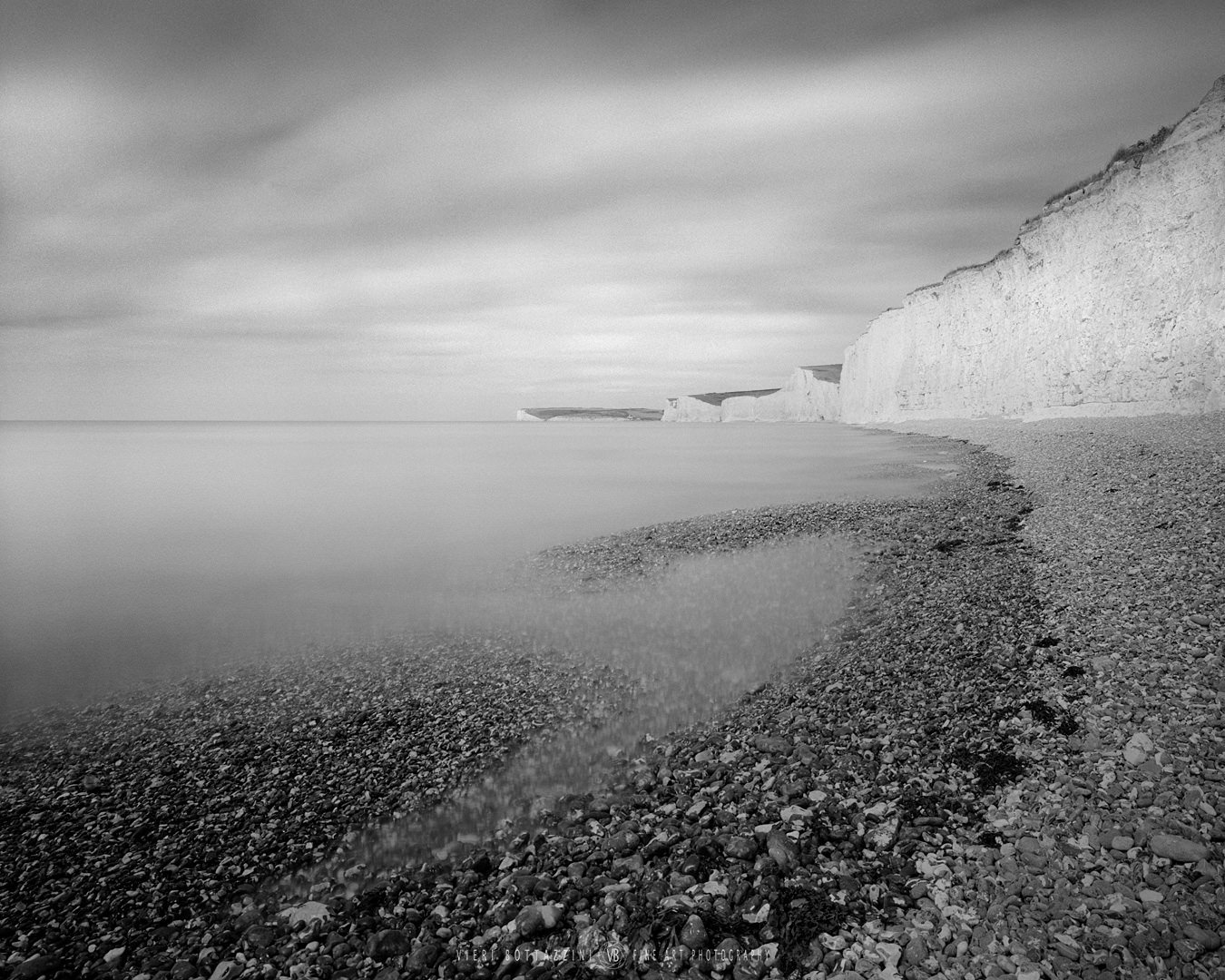
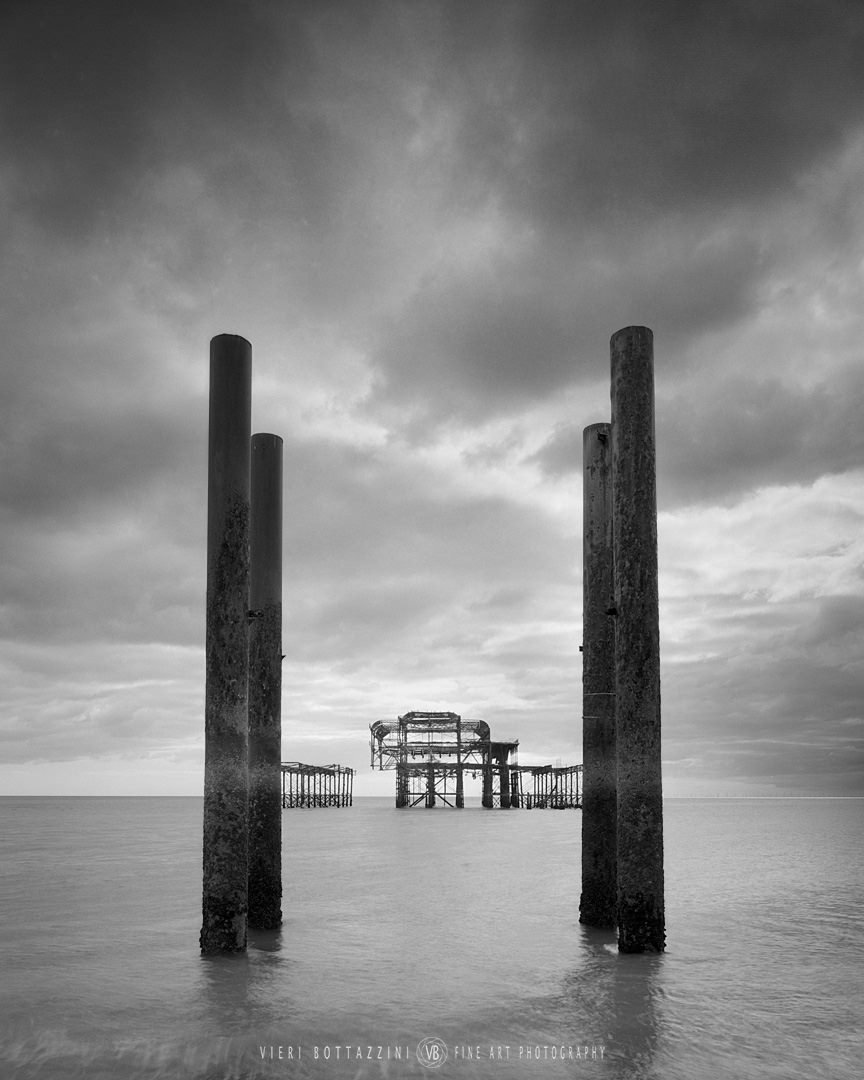
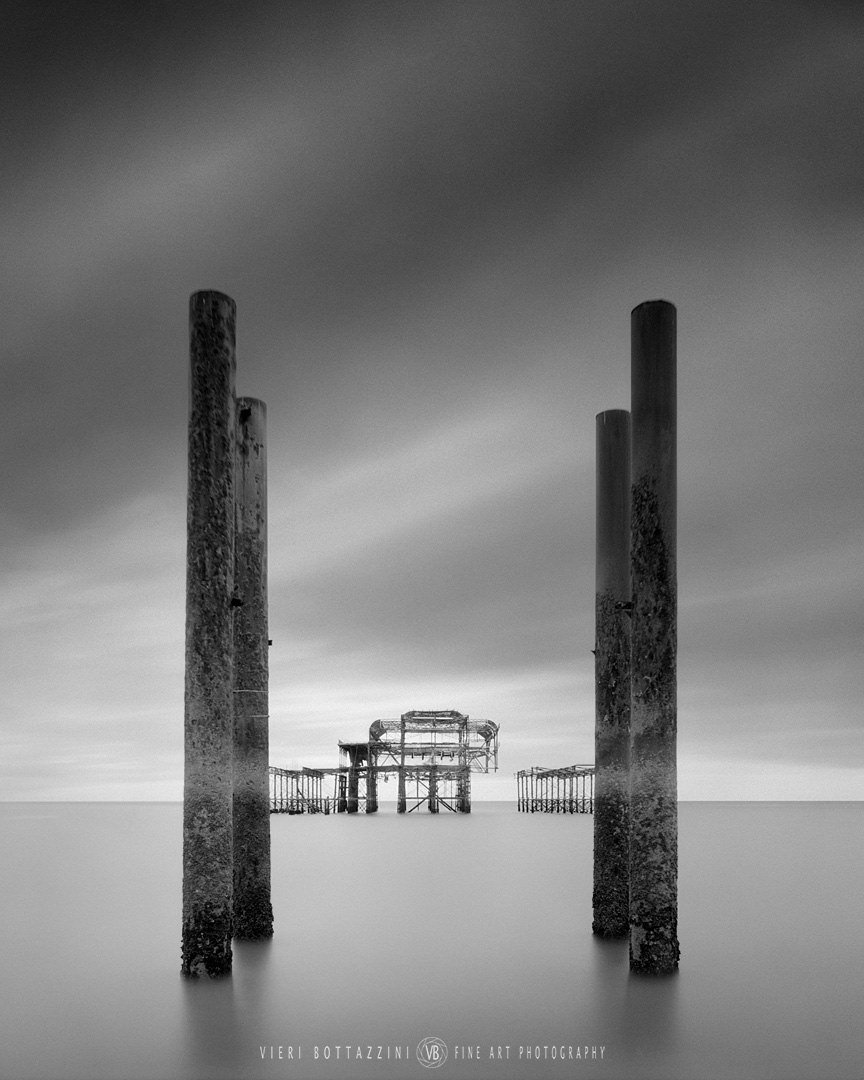
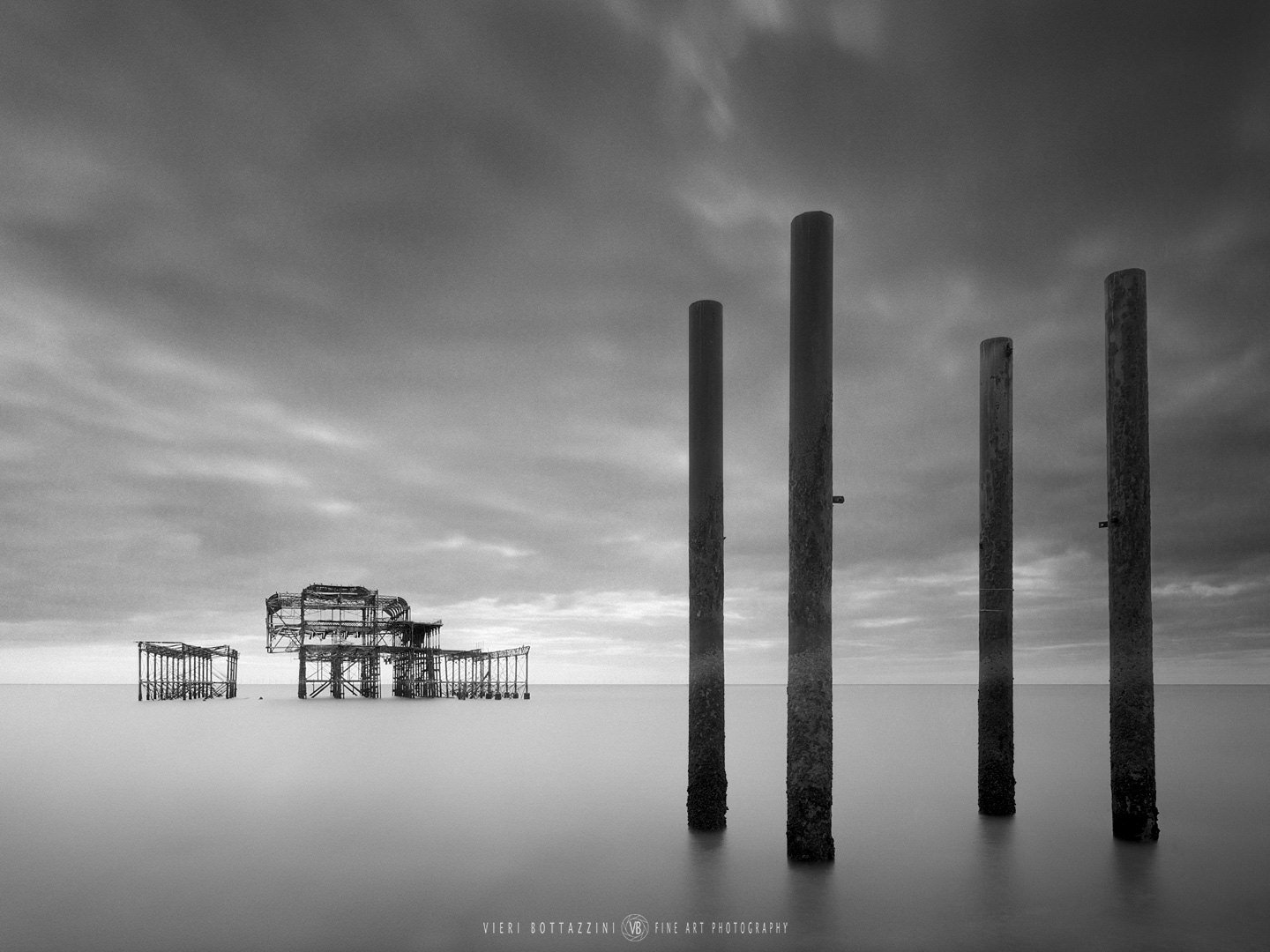
All photos have been taken with Fomapan 200 Creative, rated 100 ISO and developed in Pyrocat-HD for 12 minutes, with 30 seconds of inversion at the beginning and then 2 inversions per minute. A 5-minute pre-wash water bath was used.
Thank you for joining me along this first step of my journey with 4×5” analog photography, it was a real pleasure to share my thoughts and this small Portfolio with you!

Thank you for reading this post, I hope you enjoyed it! Why don’t you share it with your friends, or drop me a comment to let me know your thoughts about this?
10 thoughts on “FIRST OUTING WITH 4X5” FILM: THOUGHTS AND A PORTFOLIO”
Vieri, those 4×5 black and white images are superb! However, working with large format photography presents its own set of challenges, such as wind, unstable surfaces, and reciprocity failure when using long exposures.
Your ratio of keepers is impressive, and as you delve deeper into large format photography, it becomes easier. You can also experiment with pushing film in certain situations, and I’ve found Ilford stock (from Ortho 80 to HP5 and more) to be excellent for this, especially since it’s generally more affordable than Kodak.
Good luck with your 4×5 venture! You’ll likely find yourself becoming even more obsessed with it and trying out 8X10 sooner than you expect :). Additionally, don’t overlook the option of 4×10, which I love for landscapes. Enjoy your work and your content, as always!
Regards
Sven Jurgensen
Cape Town
Hello Sven,
thank you for your comment and kind words, truly much appreciated! Yes indeed, Large Format has its own micro-movement and support challenges, especially when using long exposures, but it definitely can be done. I have no problems with reciprocity failure, rather than as an issue I see it as an opportunity to get to longer exposures with less filtering.
About 8×10″, I thought about it, but since I travel and hike / walk a lot, the weight and bulk – especially of the film holders! – made it a no-go for me and I am not sure it will change anytime soon… but, never say never of course!
Best regards,
Vieri
Very interesting read and nice portfolio, thanks for sharing
Hello Giovanni,
Thank you very much, happy you enjoyed it!
Best regards,
Vieri
Nice article.
Try Thorney Island.
Don
Hey Don,
thank you for your comment, happy you enjoyed the article. Thanks for the recommendation, what would you say I should look for, on Thorney Island?
Best regards,
Vieri
Great images Vieri, thanks. And I do love your extensive knowledge and enthusiasm for large format film cameras and photography.
I wish I had kept the beautiful Arca Swiss I had back in the day, I could have bought it for peanuts when the company I was contracting for closed down. I wish!
Hello Julian,
thank you for your comment and kind words, I am glad you enjoyed the photographs. A pity that you didn’t keep your Arca-Swiss from back in the day! The good news is, 4×5″ cameras and lenses can be found on the used market in great conditions for relatively very little money, if you wanted to give 4×5″ another go…
Best regards,
Vieri
Vieri, et al,
A golfers umbrella is a useful light weight wind brake. Once you have all set up and ready to shoot, open umbrella and place behind your back and clamp handle under one of your upper arms and face camera away from the wind.
This will create a great wind break,
I have used it in Antarctica, California beaches, and the high Mesas of the Southwest, with great results.
Rod
Hello Rod,
thank you for the tip, much appreciated. I found that at 6′ 2″, it’s enough for me to stand between the wind and the camera and hold my jacket or shell open wide with my hands to be able to do the same with no need to carry another piece of kit, thus saving on weight and bulk – which, as we know, is always a plus with large format equipment!
Best regards,
Vieri