





The first time I took off from Glasgow heading north towards Glencoe and the Isle of Skye, in 2009, I didn’t know how much that journey would have impacted and changed me. Leaving behind the bustling airport area, my wife and I passed the Erskine bridge and quickly got to the shores of Loch Lomond, where I started realizing we were in for something unique.
The weather was cloudy and moody, but that was just perfect for the landscapes under it. The color palette was muted, hues of dark greens and browns reigned, and the waters of the Loch took a metal tone that made them both ominous and inspiring.
Driving north, we passed Crianlarich, Bridge of Orchy and the switchback over Loch Tulla, finally getting to the top of Glencoe. Glencoe and the surrounding areas are spectacular, dramatic and full of photographic inspiration and opportunities. For me, Glencoe is the place where Scotland slowly started getting into my soul, never to leave.
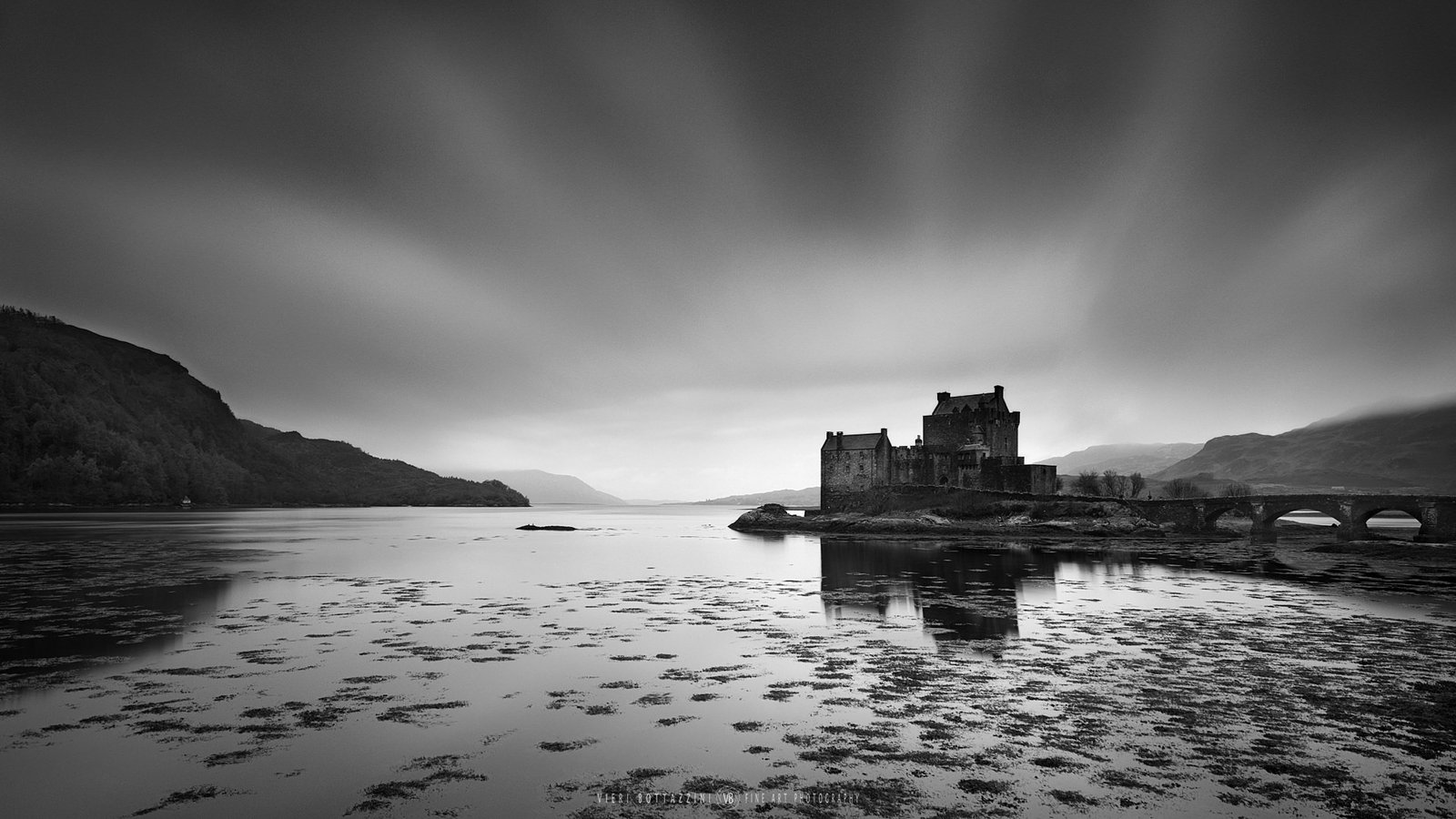
After Glencoe, the road took us to Fort Willam, and from there towards Spean Bridge and the wilder highlands up to Shiel Bridge and Dornie with the iconic Eliean Donan Castle. The landscapes along this stretch of the road are of a somber but majestic beauty that is hard to be described.
Finally, we got to the Isle of Skye. The first time we got there was over fifteen years ago, and rather than the end of a journey, getting to Skye for me was the beginning of one. I decided to dedicate myself to full time landscape photography in 2010, after spending a month in the Southwest USA; but it’s my visit to Scotland, one year prior, that ignited the love for landscape still burning today.
Since that first visit, we got back to Glencoe and The Isle of Skye, as well as to much more of Scotland, pretty much every year – sometimes multiple times a year. We have a deep connection with the Scottish landscapes. We must have done about 20 trips there, the first ever Workshop we ran was on the Isle of Skye, and we ran 12 Workshop there so far since.
In November 2024, when my wife and I headed to Scotland for one more Workshop, as we often do, we added some days for me to do some personal work. This time, I was carrying with me my new Arca-Swiss 4×5” F-Line custom camera and a few boxes of black & white film.
I have been working in black & white exclusively for a couple of years now, going to Glencoe & The Isle of Skye with my Phase One IQ4 Achromatic digital back. This time, I was excited about interpreting these amazing landscapes with film, and was looking forward to seeing how well the character of film would have played with the character of these Scottish landscapes.
This was my first time in Glencoe & Isle of Skye with 4×5” film, and to present this work I thought it fitting to share with you my impressions of our first overall trip there; perhaps, because in a way going back to film feels like going back to the very beginning of my journey with photography.
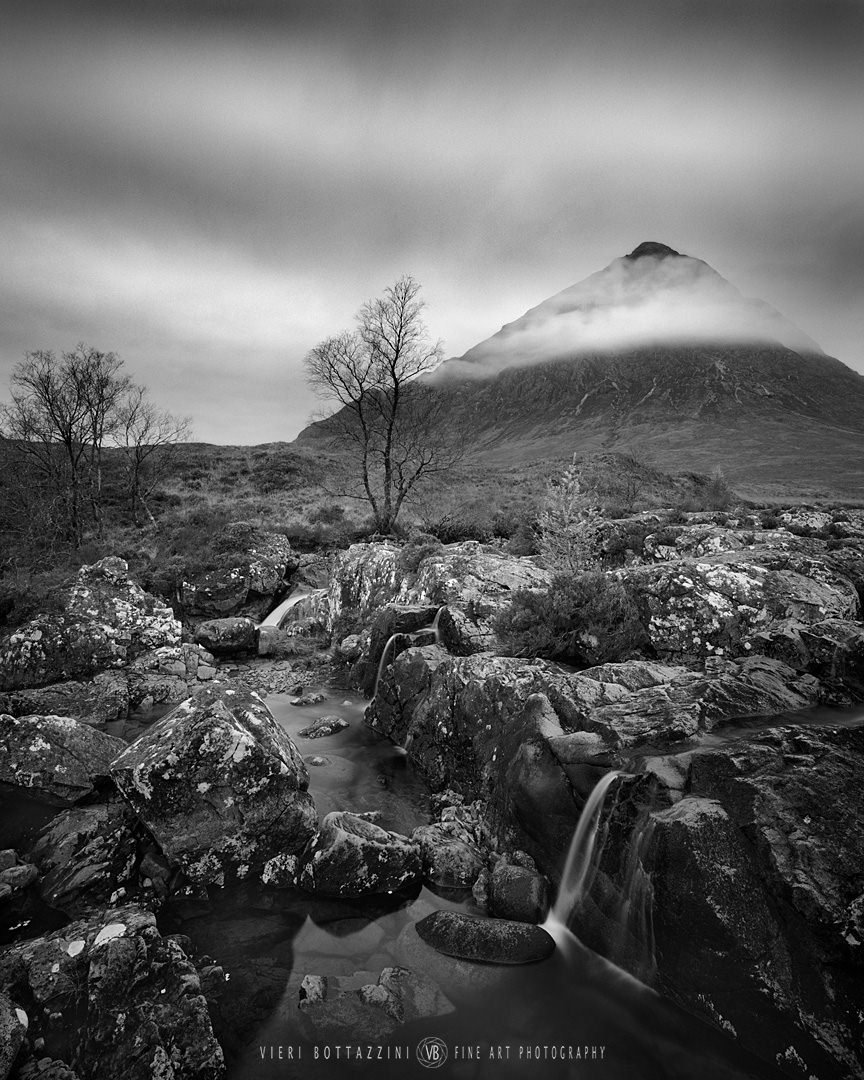
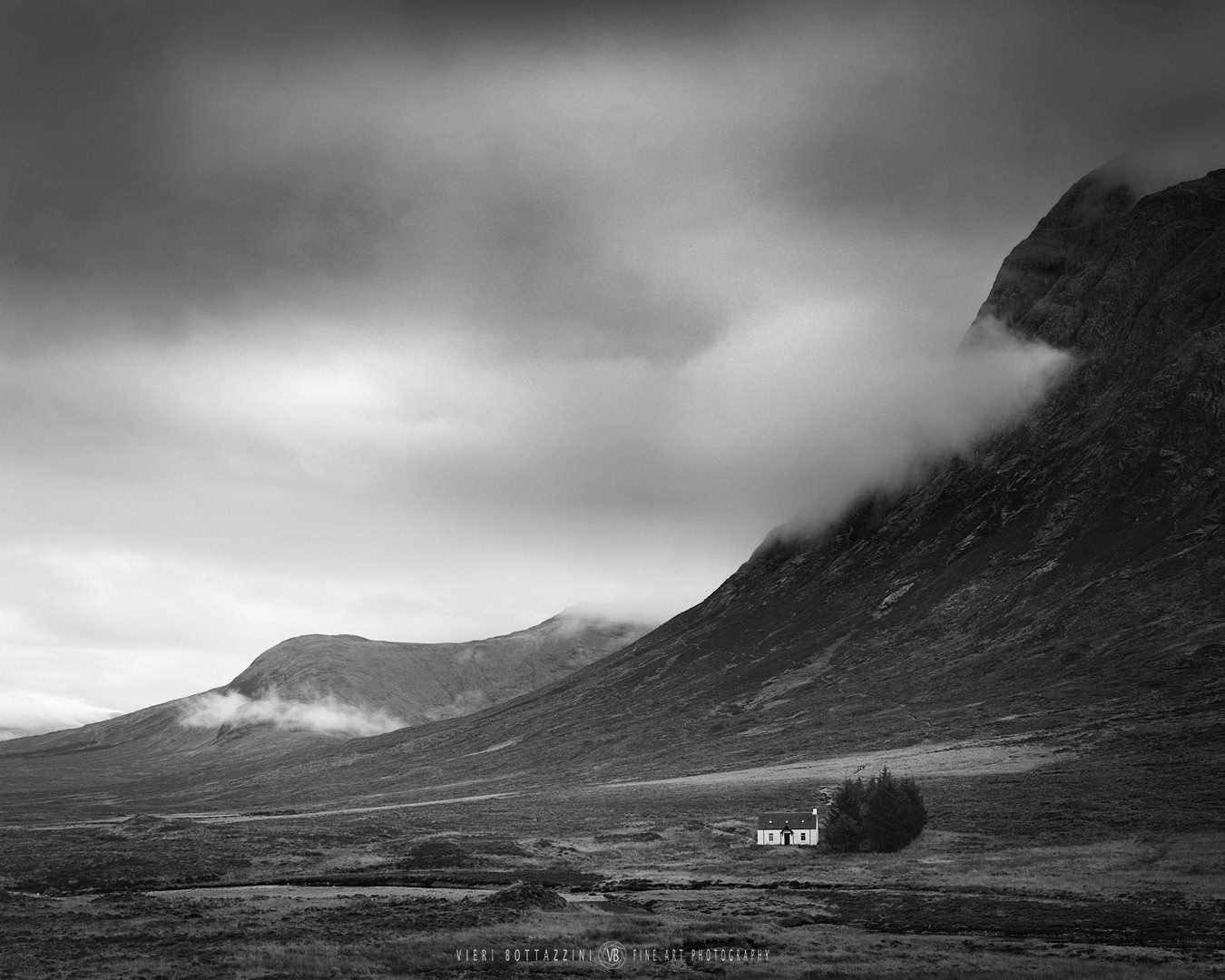
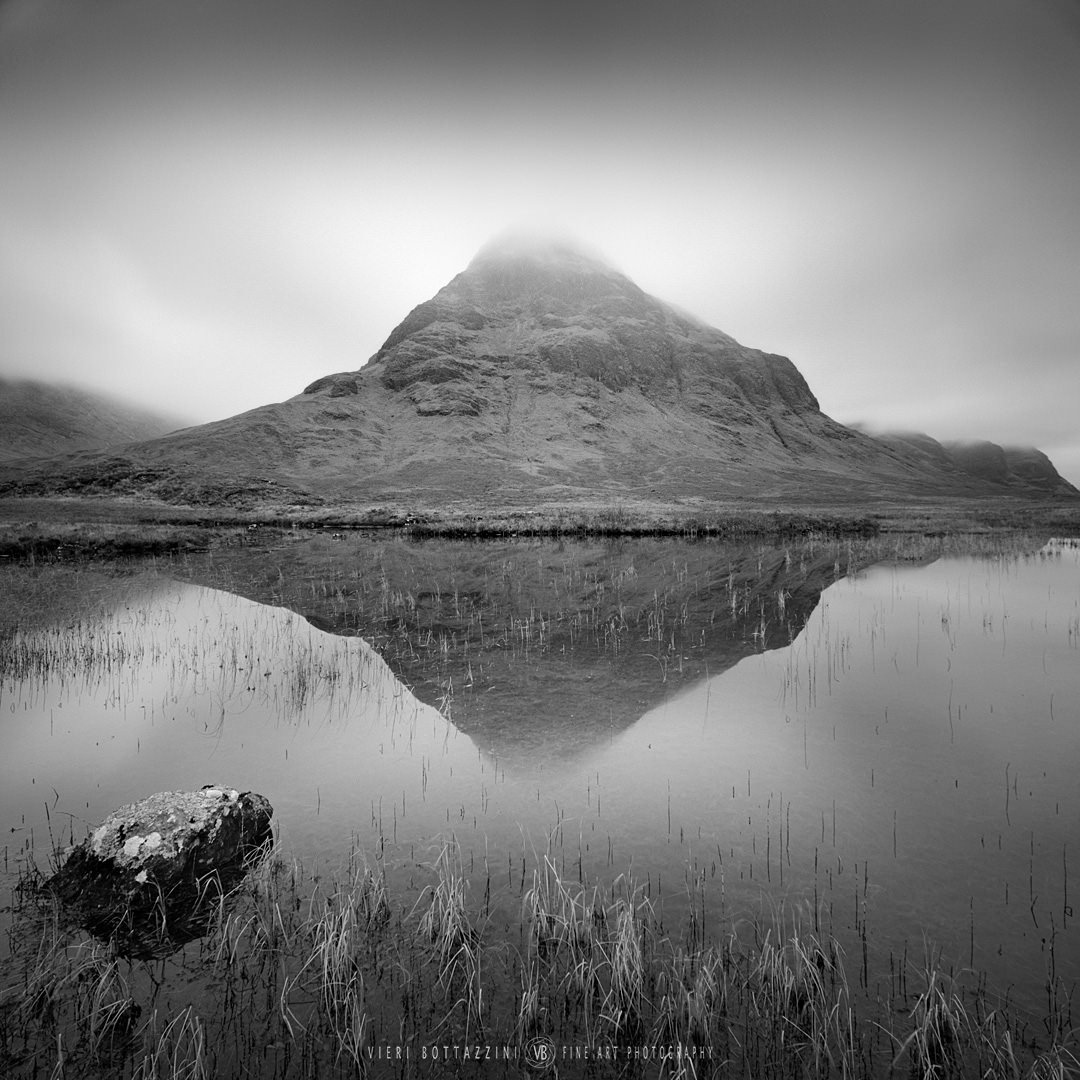
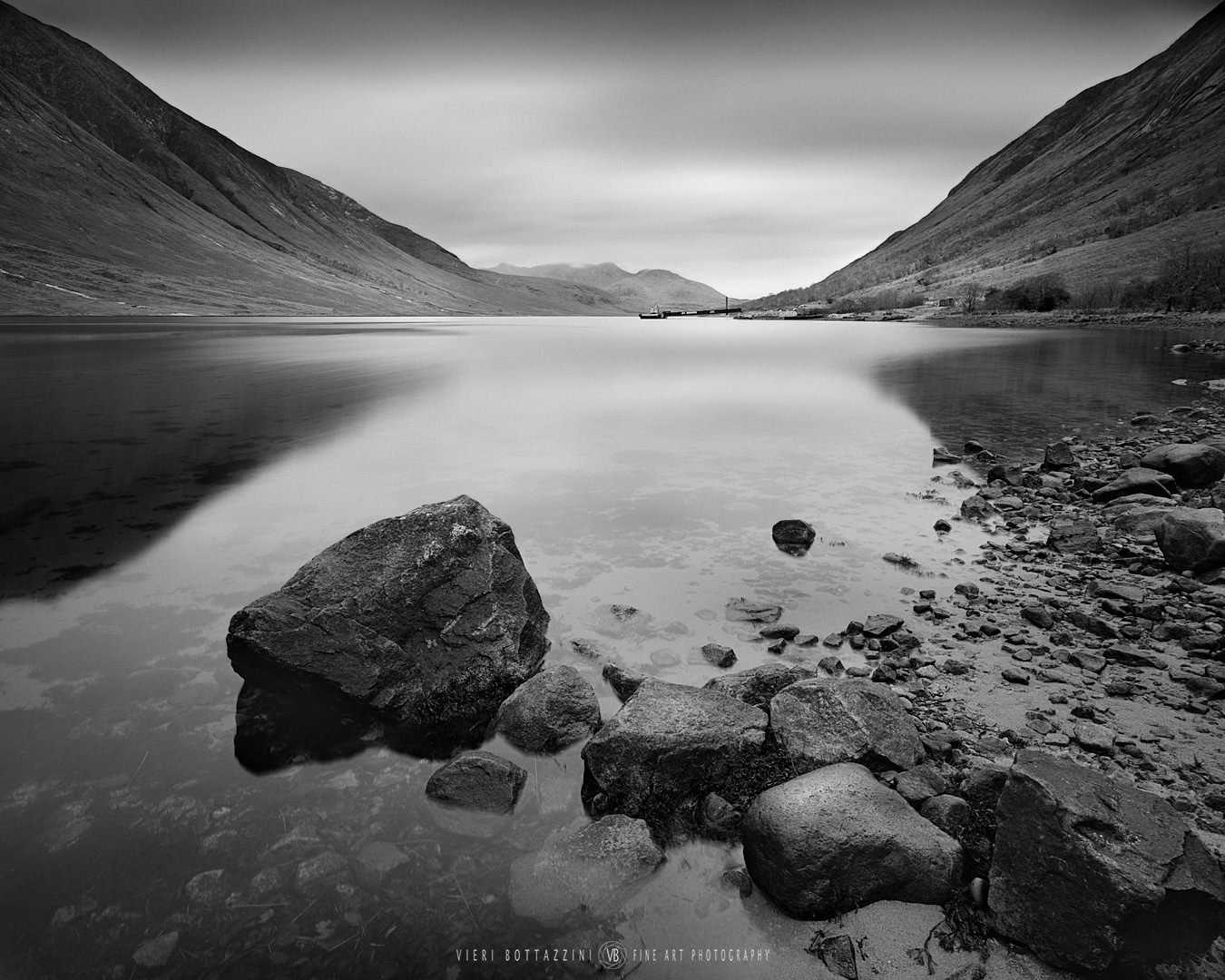
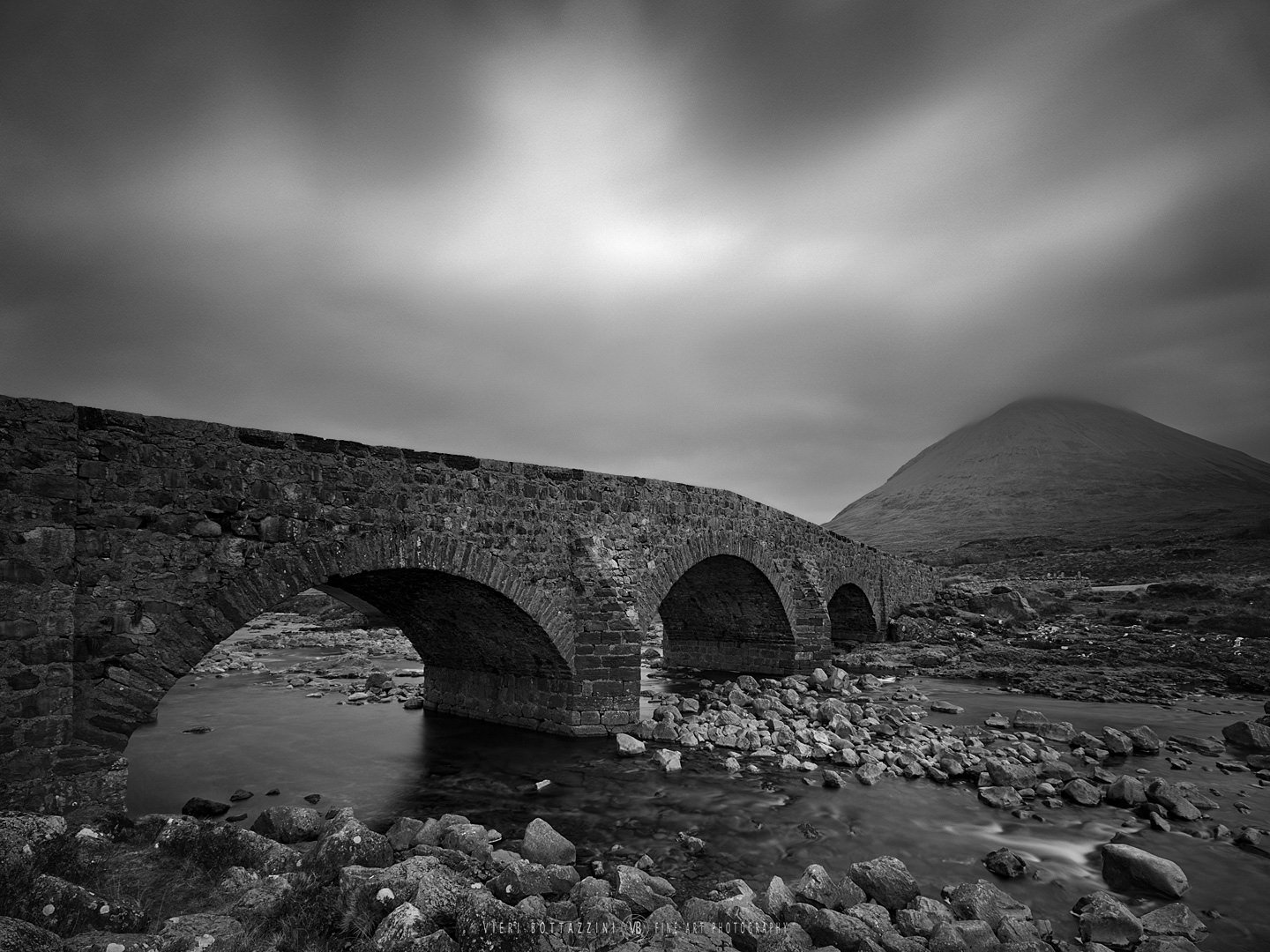
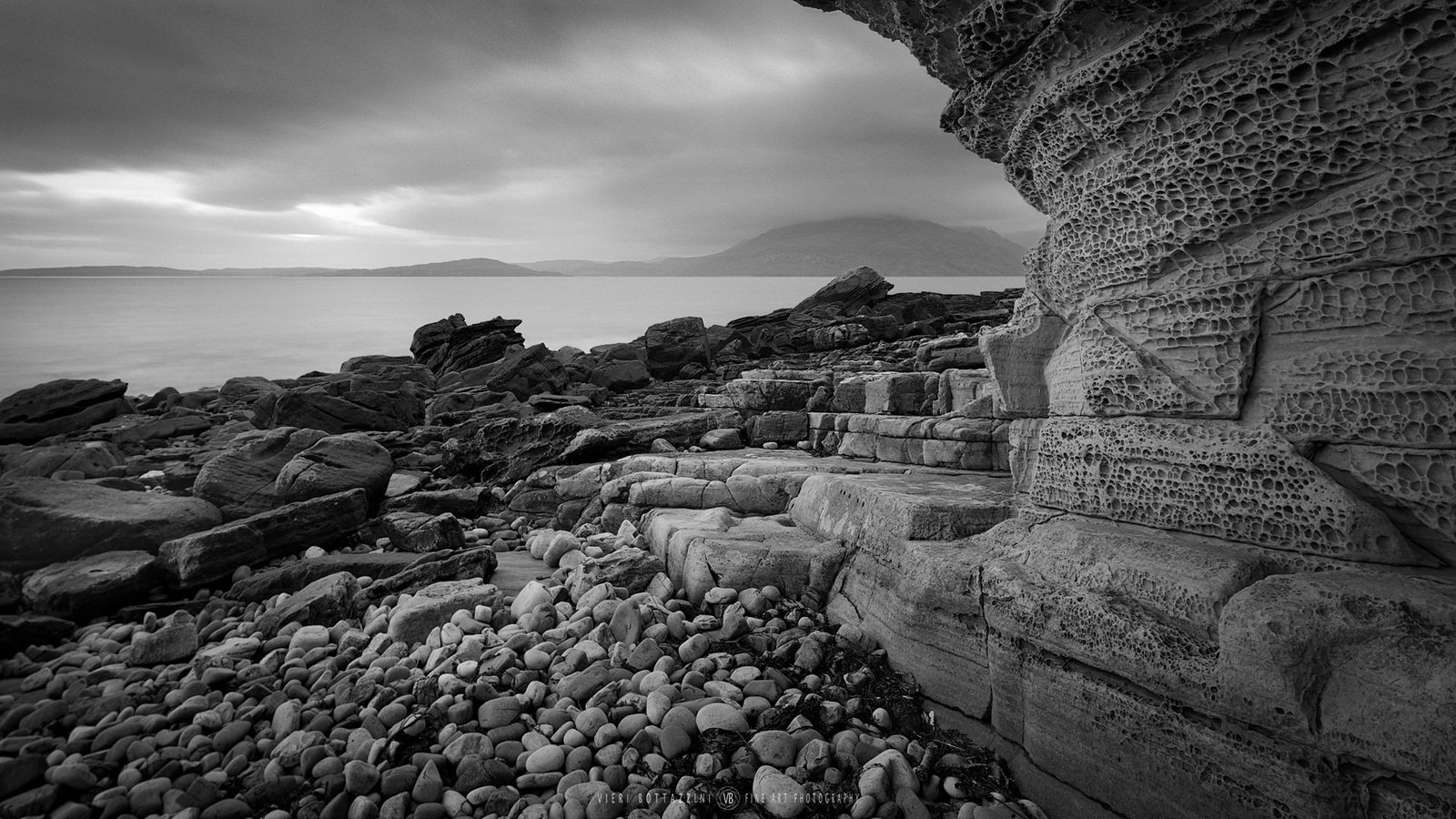
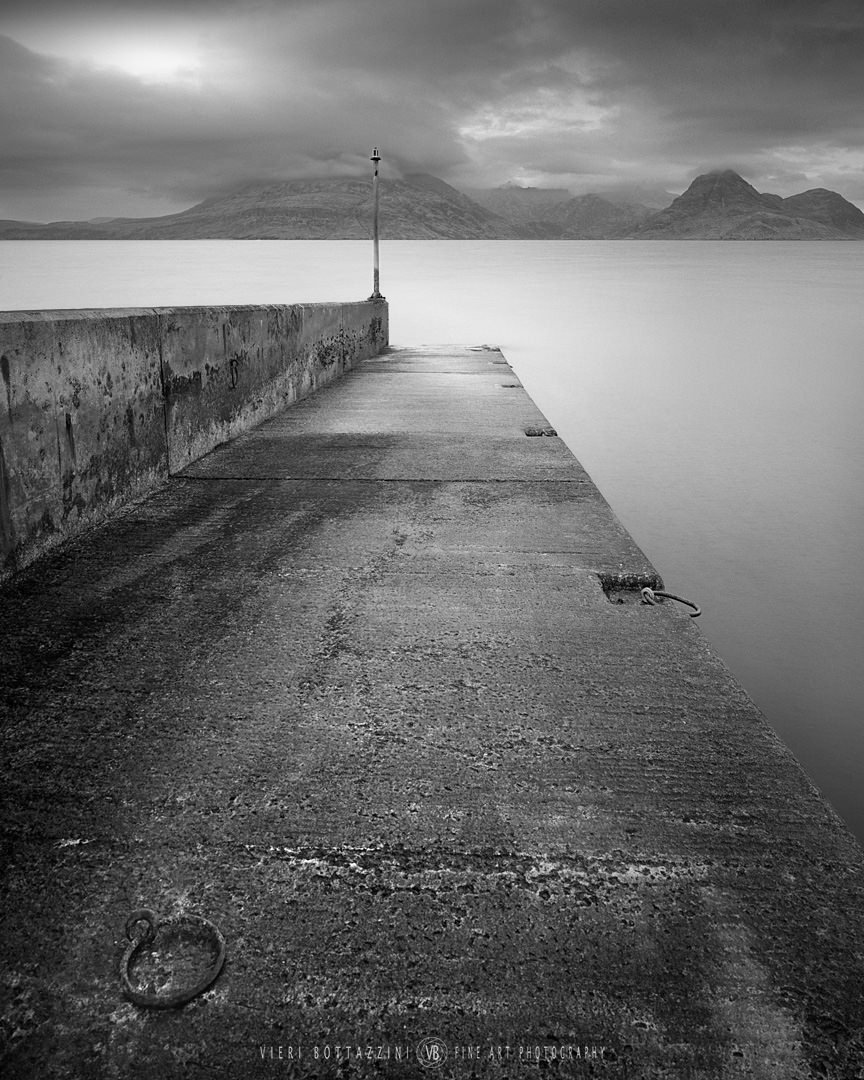
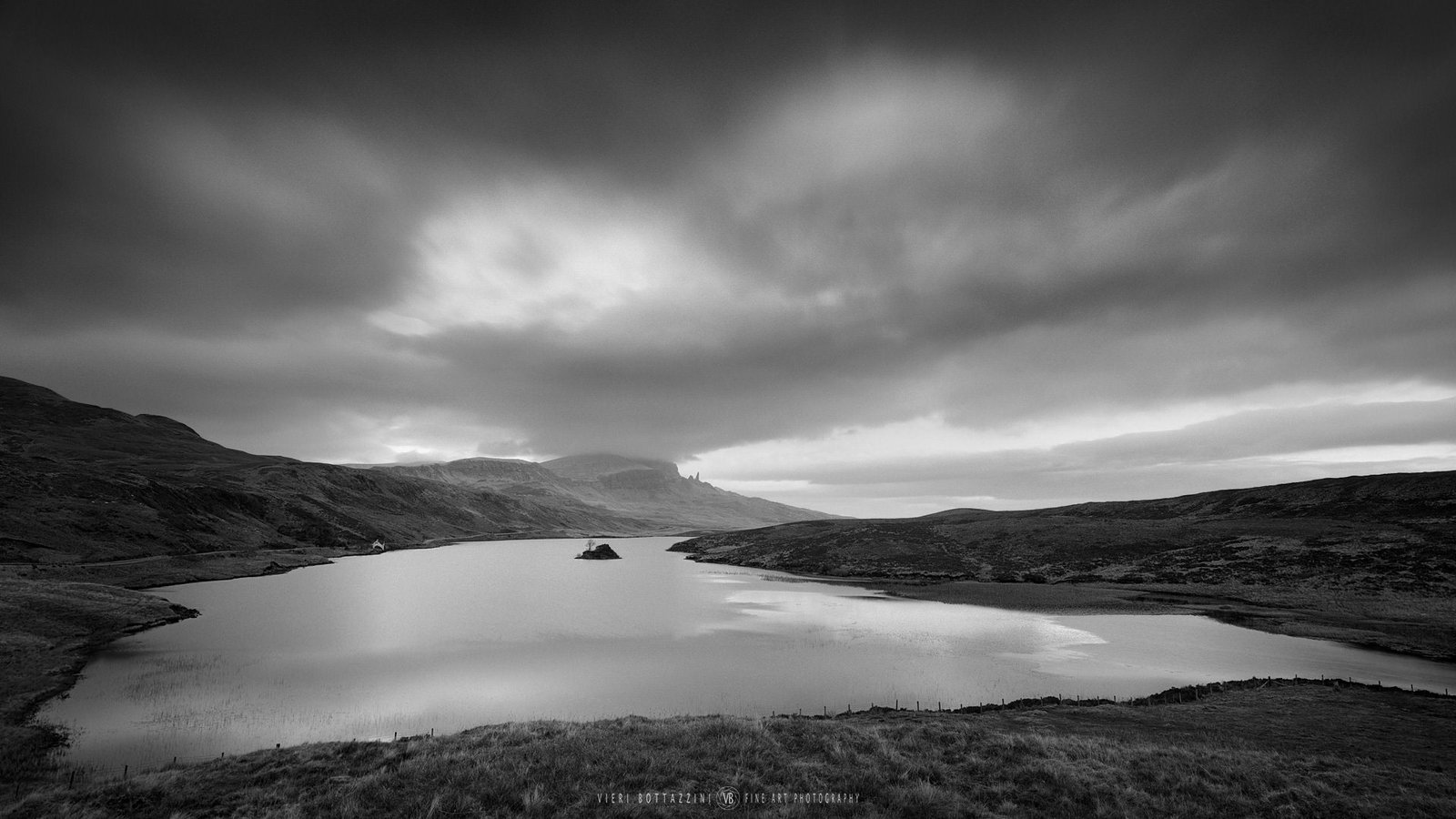
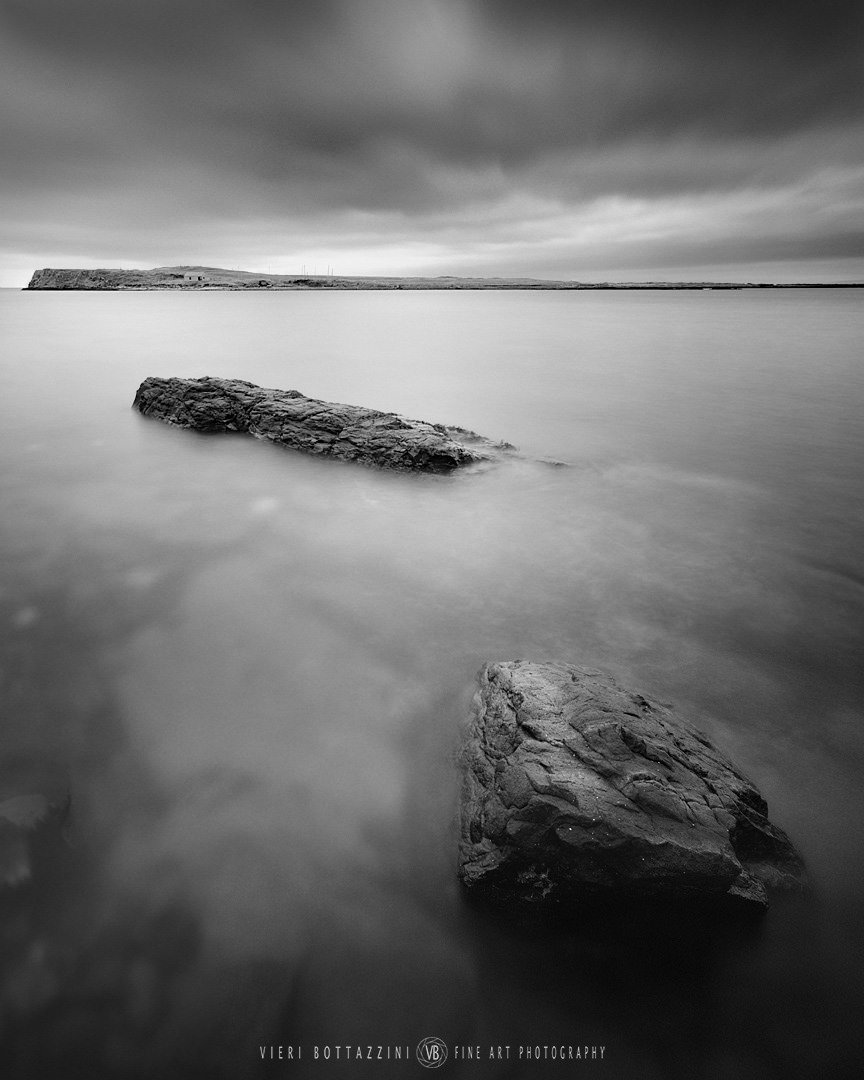
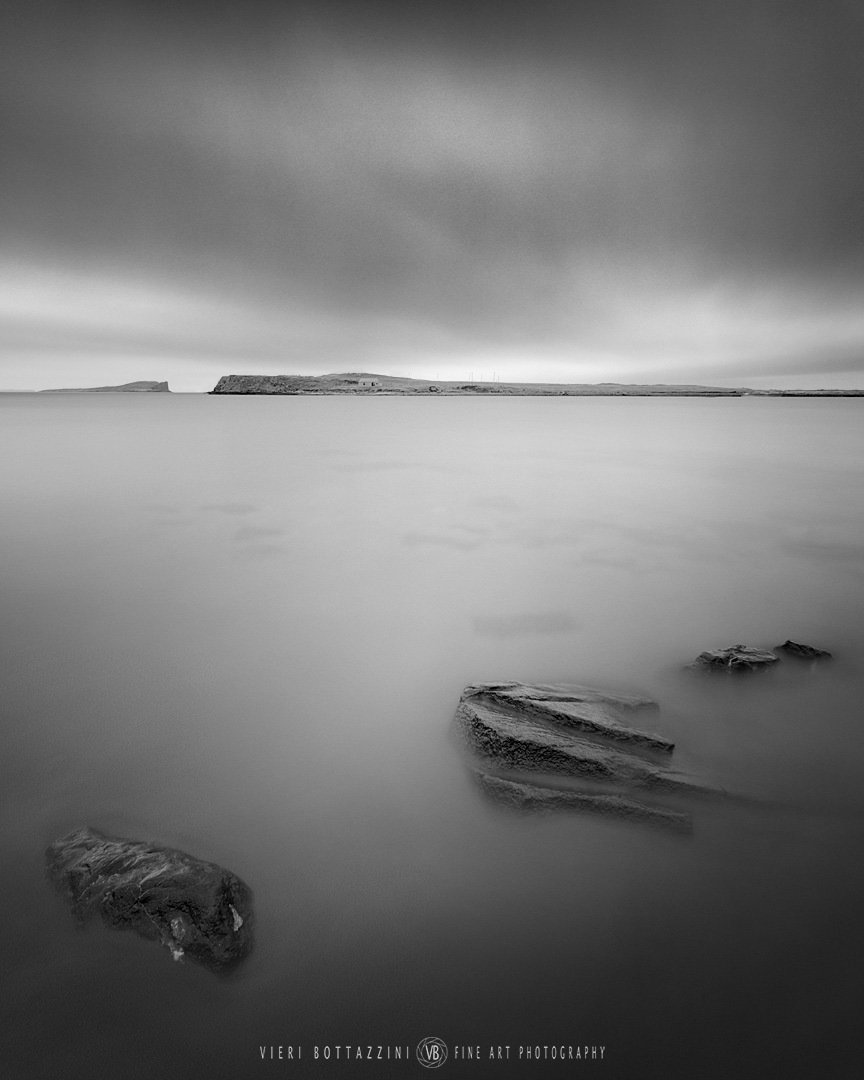
I am very happy to share with you here the Portfolio resulting from this first trip with 4×5” film to the highlands of Scotland, starting with 5 photographs made in Glencoe and Glen Etive (click on the images to enlarge):
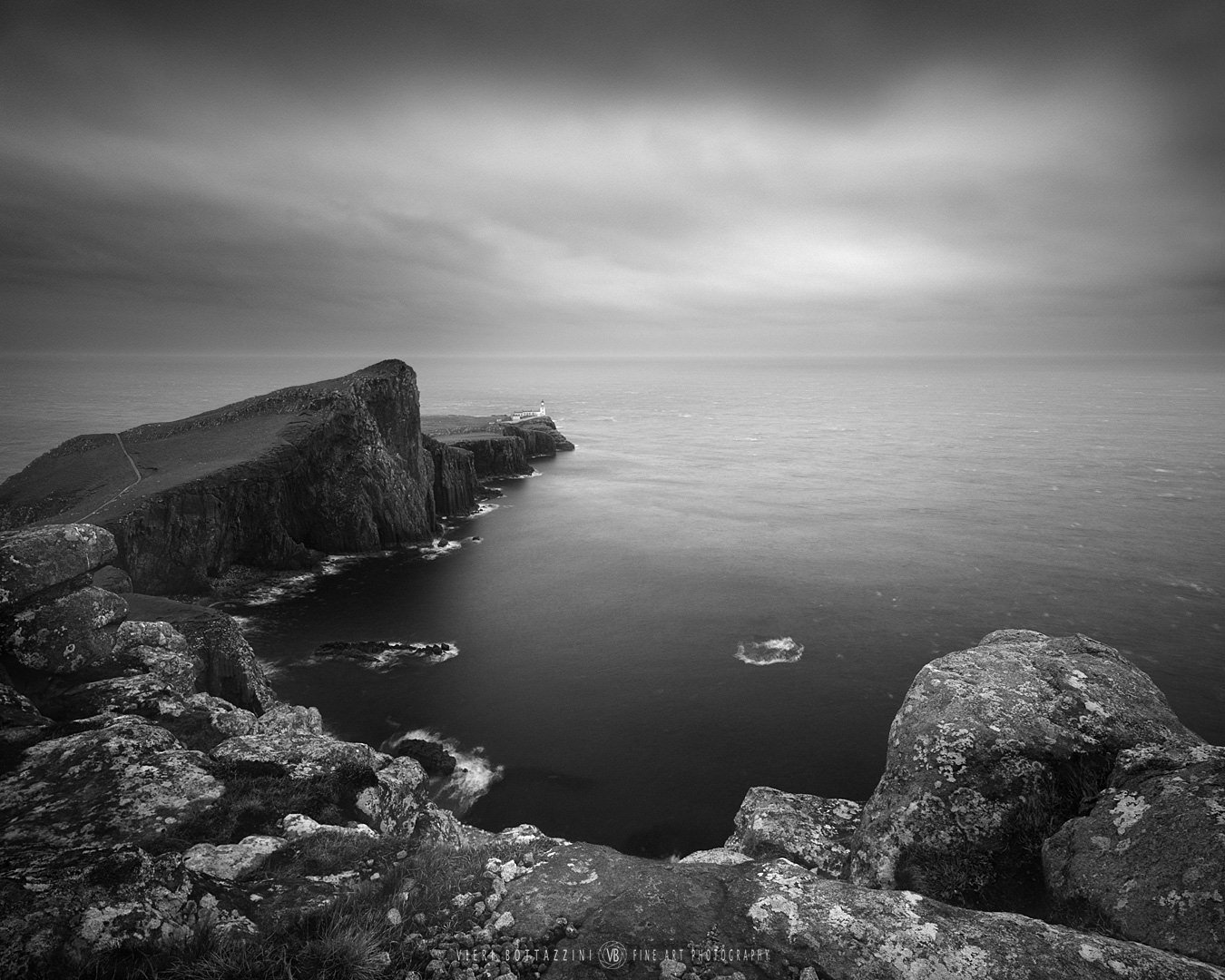
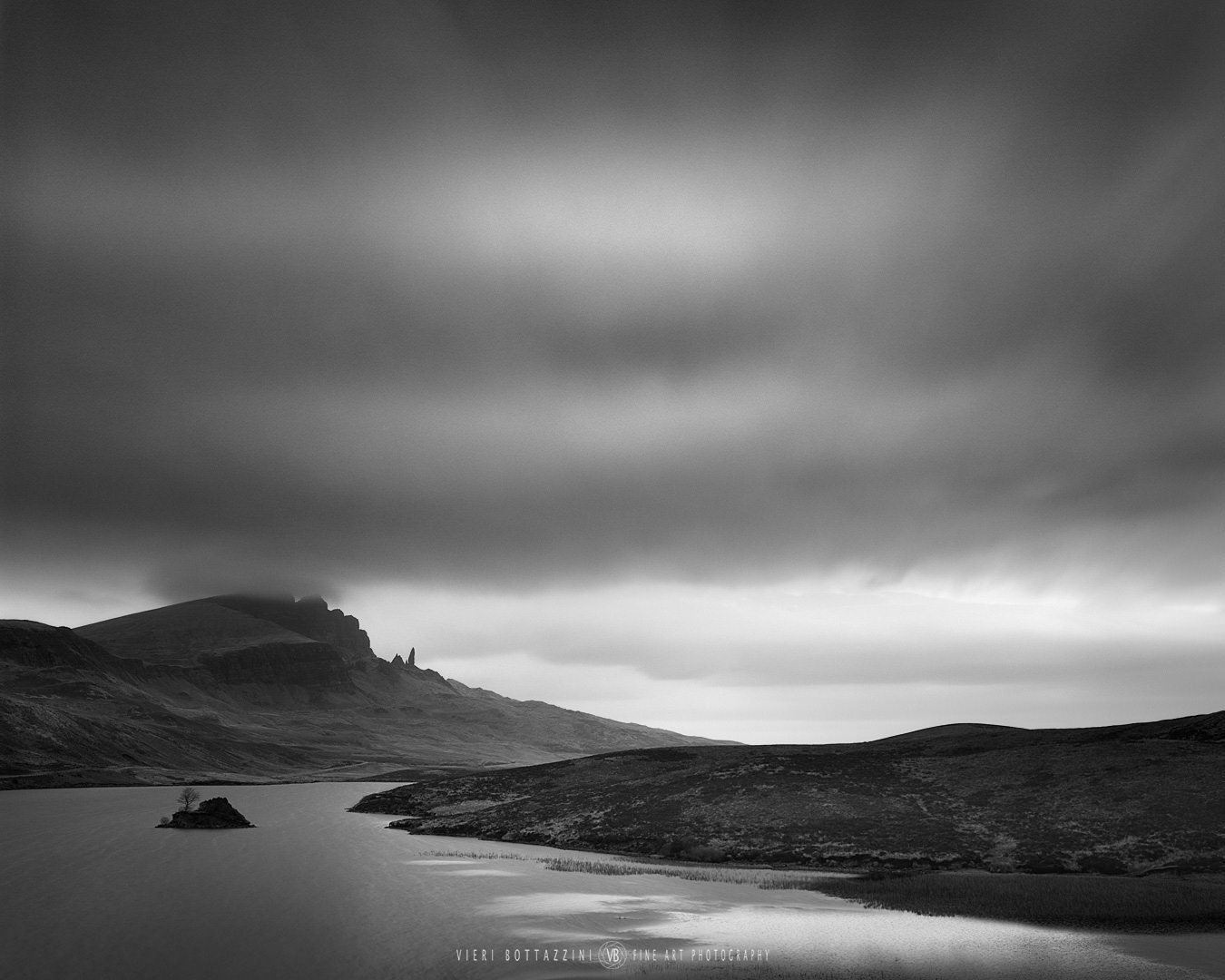
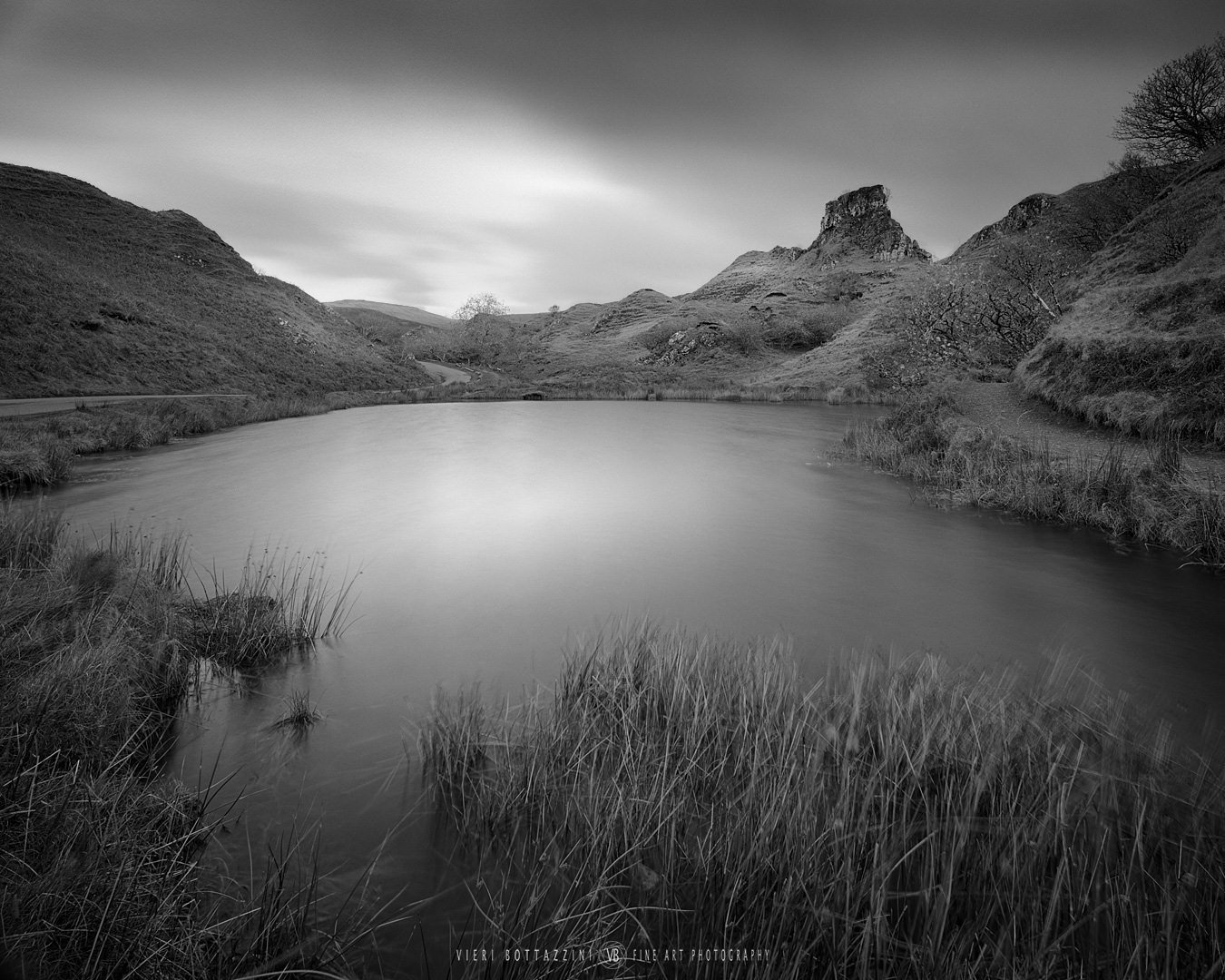
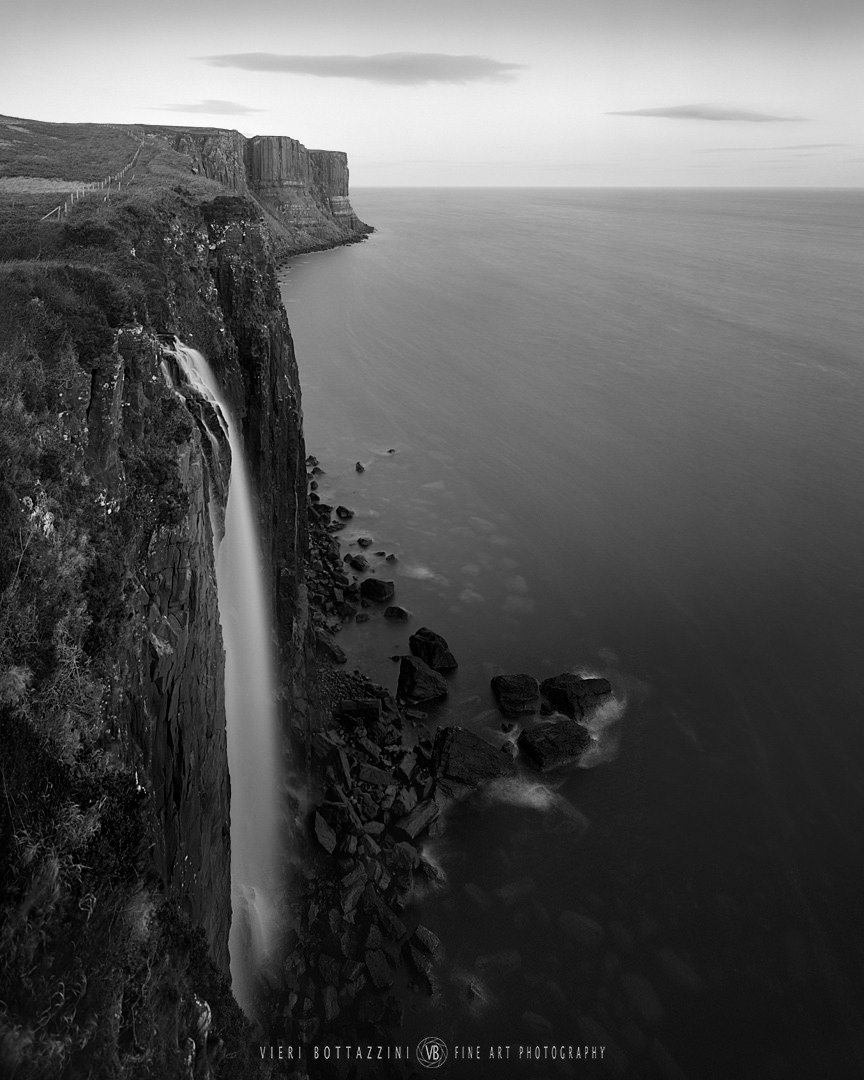
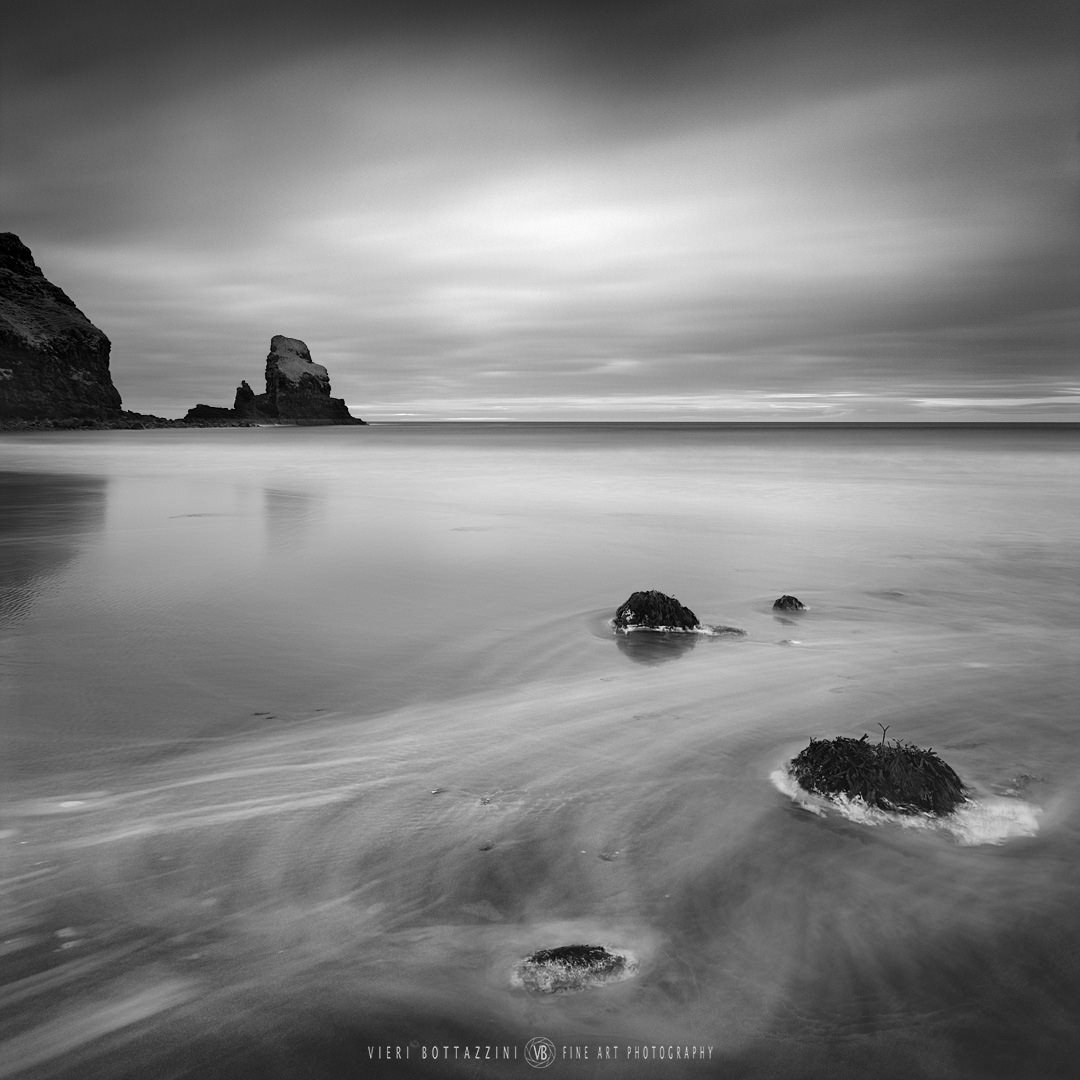
Moving north, here you’ll find 20 photographs, one created at Eilean Donan Castle and the rest on the Isle of Skye (click on the images to enlarge):
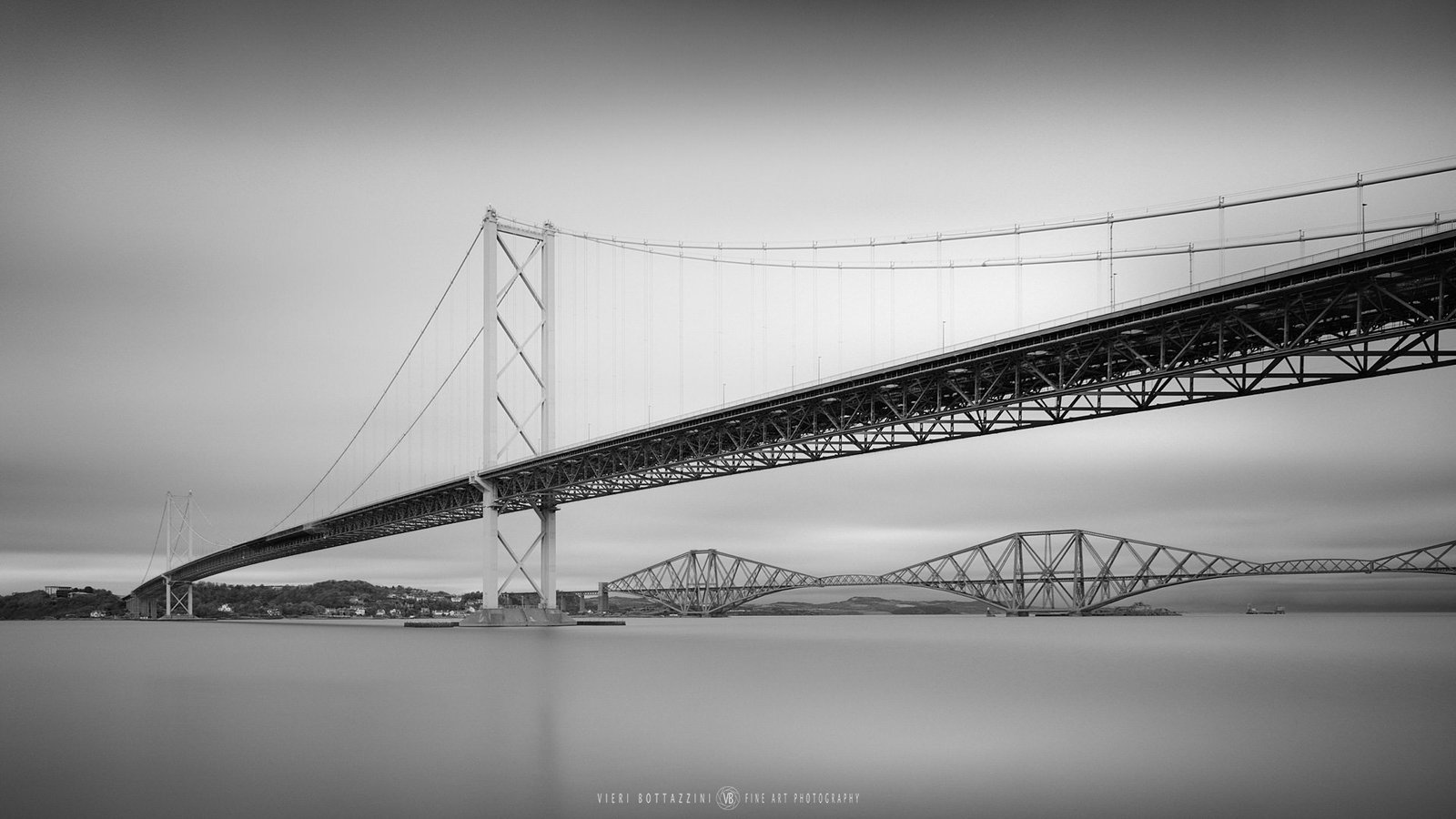
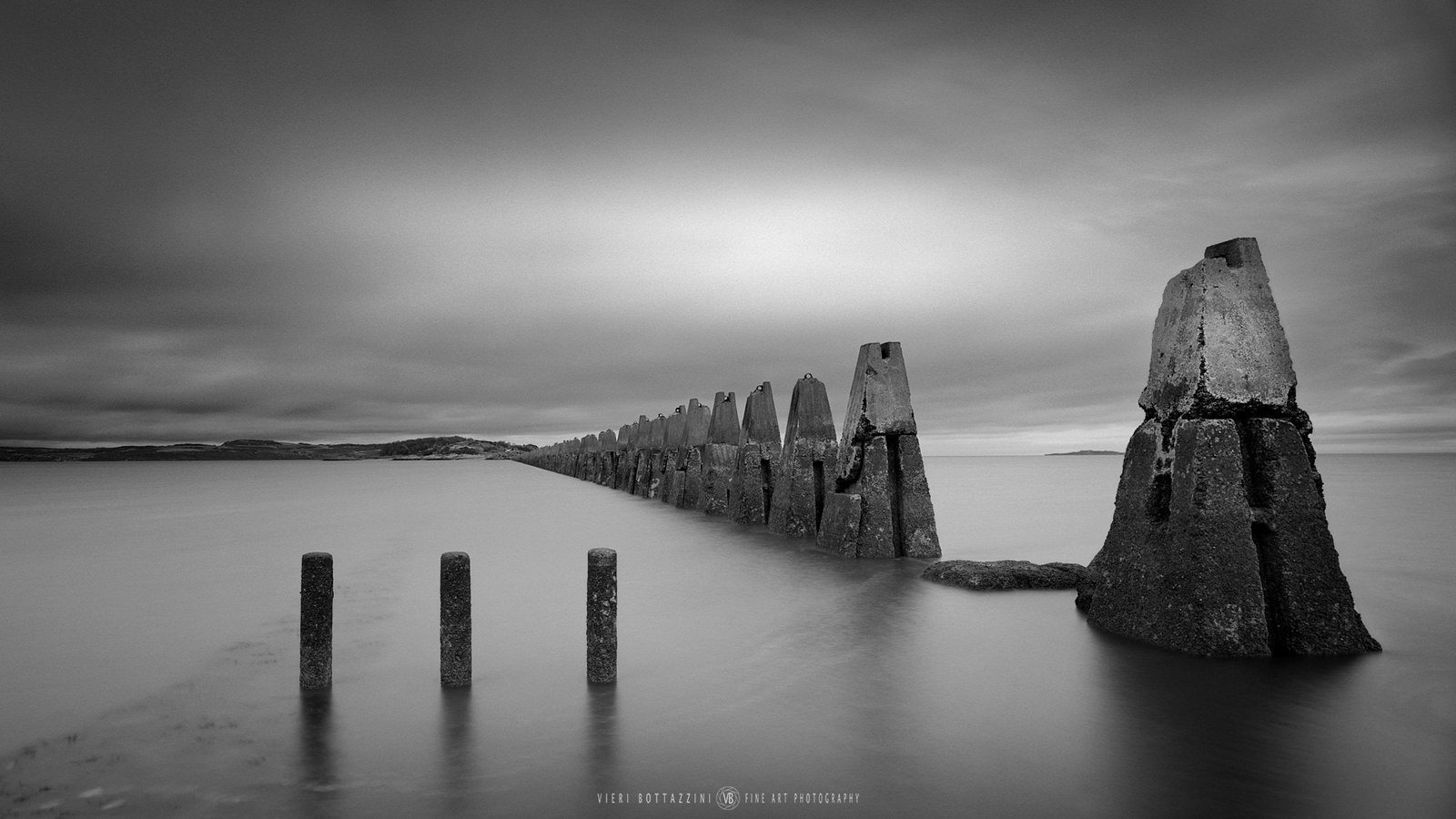
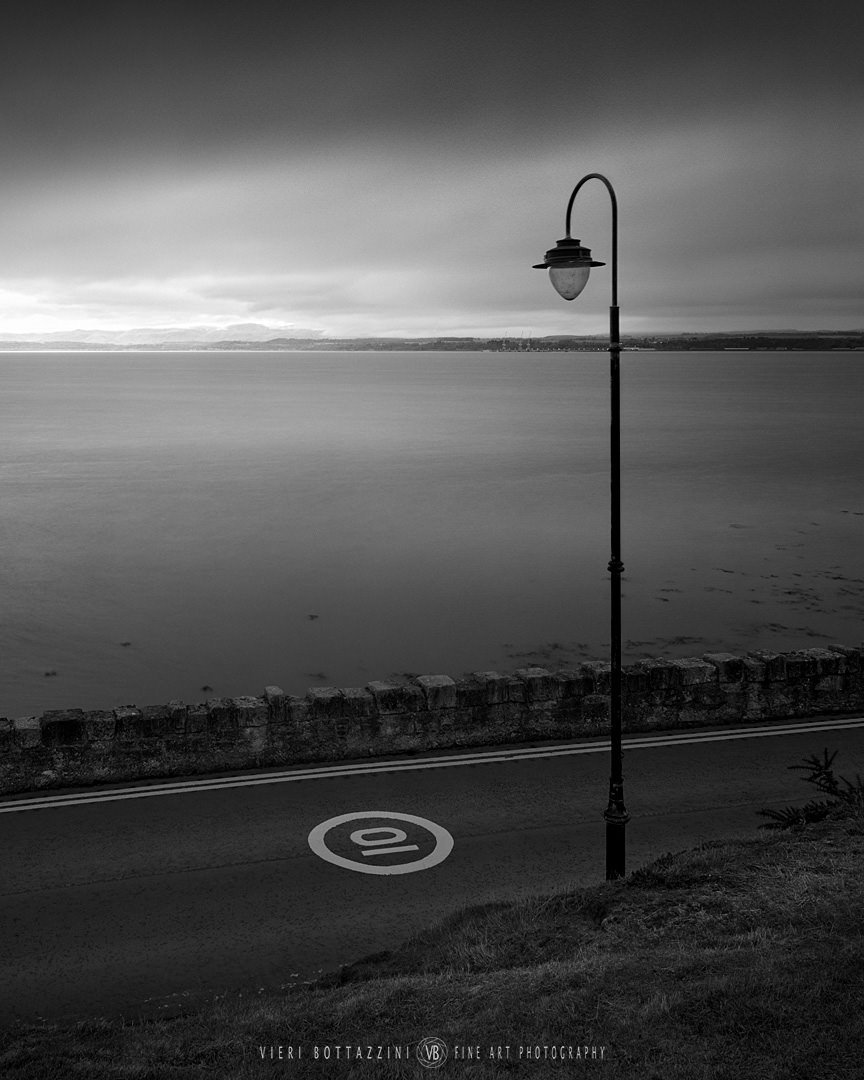
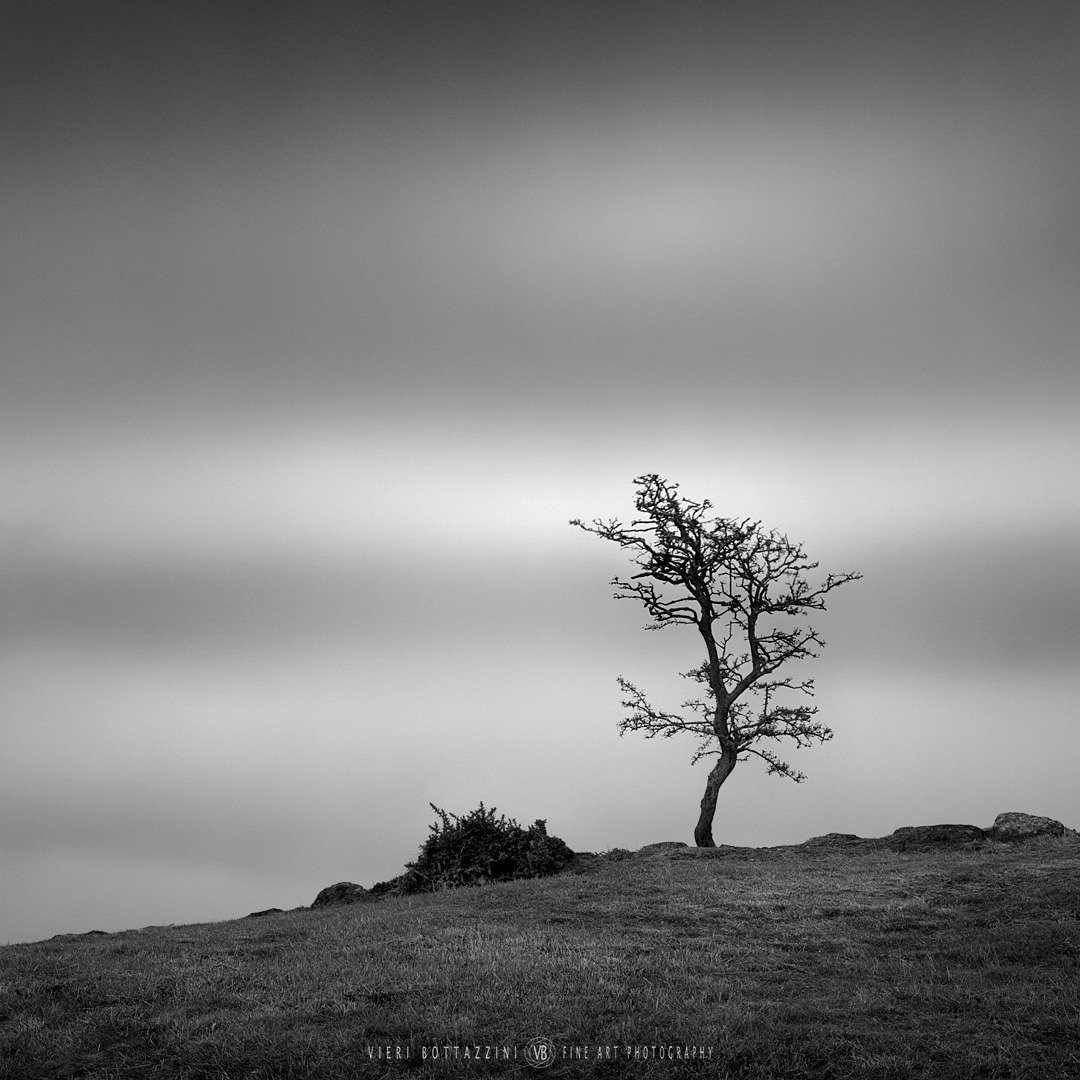
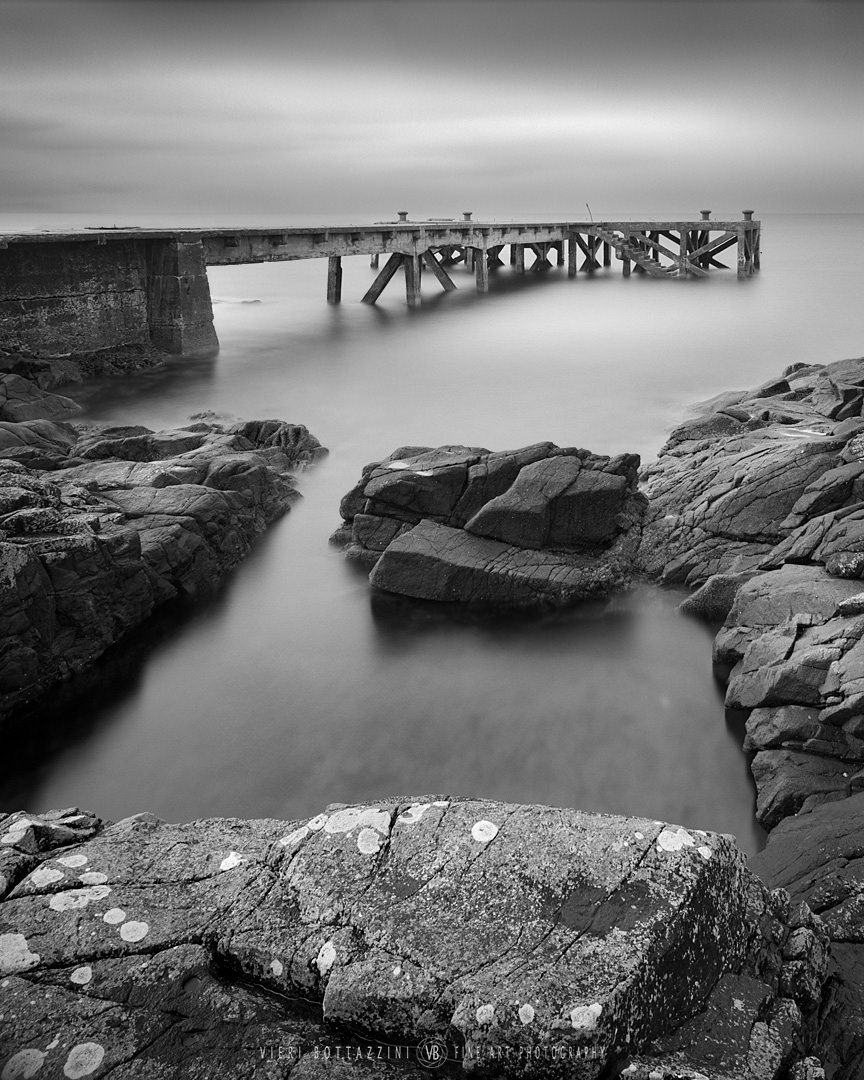
Last, as a little extra, I am happy to share with you 5 photographs created between Portencross, southwest of Glasgow, and Queensferry, west of Edinbourgh, over two days (click on the images to enlarge):
All photographs have been taken with Ilford FP4+, rated at 100 ISO, and developed in Pyrocat-HD for 12 minutes and 30 seconds, 30 seconds of agitation at start followed by 2 agitations per minute. The film has been pre-washed in water for 5 minutes prior to developing.
Thank you for joining me on this 4×5” journey through Scotland, it was a real pleasure to share this Portfolio with you!
Thank you for reading this post, I hope you enjoyed it! Why don’t you share it with your friends, or drop me a comment to let me know your thoughts about this?
6 thoughts on “GLENCOE & ISLE OF SKYE 2024: A 4×5″ PORTFOLIO”
Dear Vieri
These B@W photographs are beautiful and organic in feeling. Thank you for sharing them.
Best
David
Dear David,
thank you for taking the time to view and comment, much appreciated, happy you enjoyed the work!
Best regards,
Vieri
I love the moody feeling of these photographs, excellent portfolio of a beautiful place. It makes me want to return. You always find a fresh approach to places you’ve been many times.
Hey Anne,
great to see you here, hope you are doing great! Thank you so much for the kind comment, it’s such a privilege to be able to go back to these incredible places so many times, I find it truly inspiring. Some says that you seldom do your best work on the first trip to a place, but for me coming back multiple times is both a challenge and a responsibility of sort (you kinda feel “now I really have to make something out of this!”), but it also comes with a “going home” feeling that makes me feel relaxed and more ready to see the place anew.
Would be great to have you with us again here after so many years, I think it could be really interesting to see your work now vs the work then!
Best regards,
Vieri
Wondering if you could comment on the differences of film vs digital back….I realize it’s a loaded question, but you have very good and thoughtful experience with both, and so it would be nice to get your insights. Recognizing of course its always a bit personal, but can you comment on the differences in tonality, for example? And how much of that do you think is the film itself, or the processing care you took?
Thanks!
Hello Geoff,
thank you for your comment and kind words. About your question, as you mentioned there are many variables that come into play when doing such a comparison. Main ones are for 4×5″, film used, developer, scanning & post-processing; for digital, camera selection and post-processing. For both, the choice of lenses used which each system will of course have a big role.
That said, and keeping all the above into account, I have done my best to select the strongest possible lenses for 4×5″, trying various samples and various lenses; and, the quality of a Phase One IQ4 Achromatic with Rodenstock lenses is beyond doubt.
As well, since it’s always me doing the processing, one can assume my aesthetics, approach and abilities to be equally affecting my results whether it’s digital files or scanned film.
With all the long caveats above, my thoughts are as follows:
– Sharpness. There is little doubt in my mind that my 150 Mp, Phase One IQ4 Achromatic files are as sharp as can be; equally, I think that my 4×5″ photographs are extremely sharp. I would define my scanned film as “gently sharp” in comparison with my native digital images; you can still see an enormous amount of details, but they lack the “clinical perfection” of digital, especially on micro-contrast, micro-detail and transitions between high-contrast areas. In turn, as a plus for film this result in the lack of the annoying white haloes around high-contrast areas that are so typical of digital and that takes time and effort to remove.
– Tonal range. Here, I think there is a clear difference between film and digital (I am speaking for Ilford FP4+ and Fomapan 200 in Pyrocat HD, to avoid generalisation). While of course one can process digital in a million different ways, and I am sure that it might be possible to get very similar results, what I noticed through my own process is that film has a much smoother, richer tonal range compared to digital. Tonal transitions are softer and less “abrupt”, for lack of a better word.
Hope this helps, and that it answers your questions. Best regards,
Vieri