
AN INSPIRING CHALLENGE: WORKING IN ICELAND WITH 4x5" FILM
After GLENCOE & ISLE OF SKYE and before COMACCHIO, in mid-November 2024 my wife and I went to Iceland, for our 9-day Workshop there and an extra 8 days dedicated to my personal work.
Out of all our late 2024 destinations, Iceland was the one that worried me the most. Snowy and icy grounds, high speed winds, sand, moving water when photographing in rivers, waterfall spray, ocean spray, snow and rain, made Iceland possibly the destination least friendly to 4×5” photography of all those we visited since I started working with 4×5” film in September 2024.
One of the lessons I learned early in my landscape photography career, and one I always stress upon when talking with my Alumni, is the importance of support. A sturdy tripod, a stable, precise and easy to use tripod head – together with careful tripod technique – are, for me, among the most important things in the creation of a successful image (see my GEAR & EQUIPMENT page to see what I use to solve this).
Since working with 4×5” film, that early lesson proved even more invaluable. 4×5” film is notoriously sensitive to micro-movement, and the huge real estate offered to the wind by cameras and bellows makes windy conditions one of the medium’s worse enemies. Considering that in my photography I use exposure control as one of my favourite expressive tools, and that my shutter speeds are often in the minutes, you can easily see how wary I was of micro-movement.
To prevent this, in Iceland I was even more careful than usual about my tripod technique. I used all the tricks I knew, and that paid off. We found seriously difficult conditions, and while I did end up losing some long exposure photographs to micro-movement, I lost way less than I feared I would.
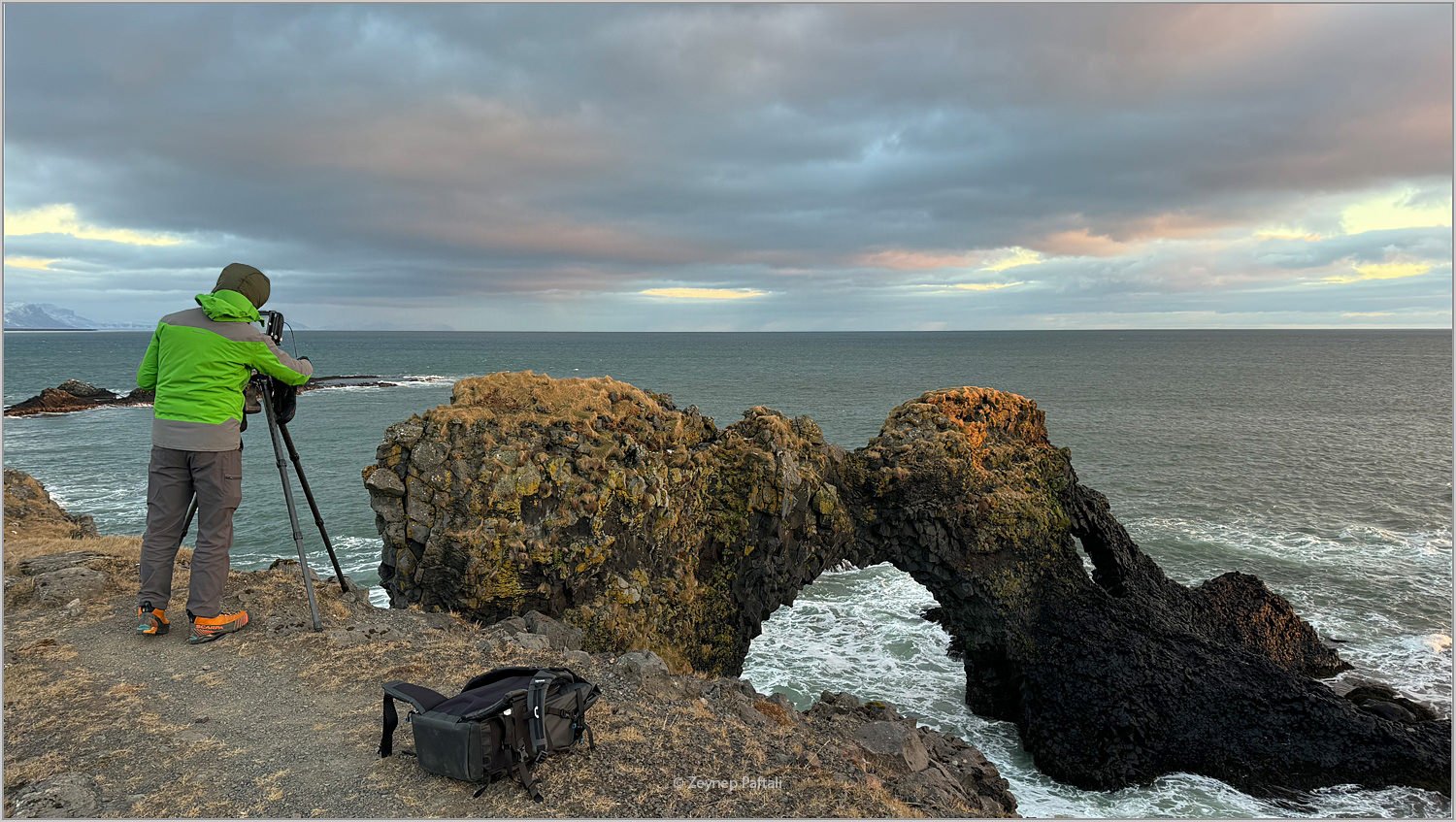
Here’s my usual workflow with 4×5”, hoping it helps other photographers working in harsh conditions, be it with film or otherwise. First, I shoot a photo with the “metered” exposure, even if that would be faster than what I wanted for a given scene. Since this is normally fast enough for the camera not to be affected by micro-movement, doing so allows me to have at least one good photograph per composition and to have a reference image for sharpness, exposure and so on. Then, I shoot one photo with my ideal exposure for the scene. If the wind and overall stability conditions are kind, I am done. If conditions are difficult, on the other hand, I also take more photos (two more are generally enough) with exposures in-between the metered one and the one I ideally want.
The workflow above saved me many times, in difficult conditions. The metered exposure photograph always turned out perfect. The one with the (long) exposure I really wanted sometimes showed micro-movement and was unusable, but out of the two extra photographs I took either the one with a slightly shorter exposure or the one with an even shorter one were always perfect. Not the exact feeling I wanted for the scene, but close enough.
Overall, working in Iceland turned to be a truly educational experience for me, and one that helped me developing as bulletproof a workflow as possible for conditions where one would not normally even try to work with a 4×5” camera.
During this first year that went by since I first started considering the move to 4×5” film, I learned a lot both on the artistic side and on the technical side of photography. Most importantly, the journey with 4×5” film, so far, has been a truly beautiful and rewarding one. The results I saw, together with the progress between the first negatives I developed and scanned and the last ones, have been enough to make me decide to bring my 4×5” camera on the road with me in spring 2025. The journey that began in September 2024 is still going on, and it looks like it’s going to be a long and fruitful one.
Below, enjoy 16 photographs created during the Icelandic leg of my fall 2024 season on the road:


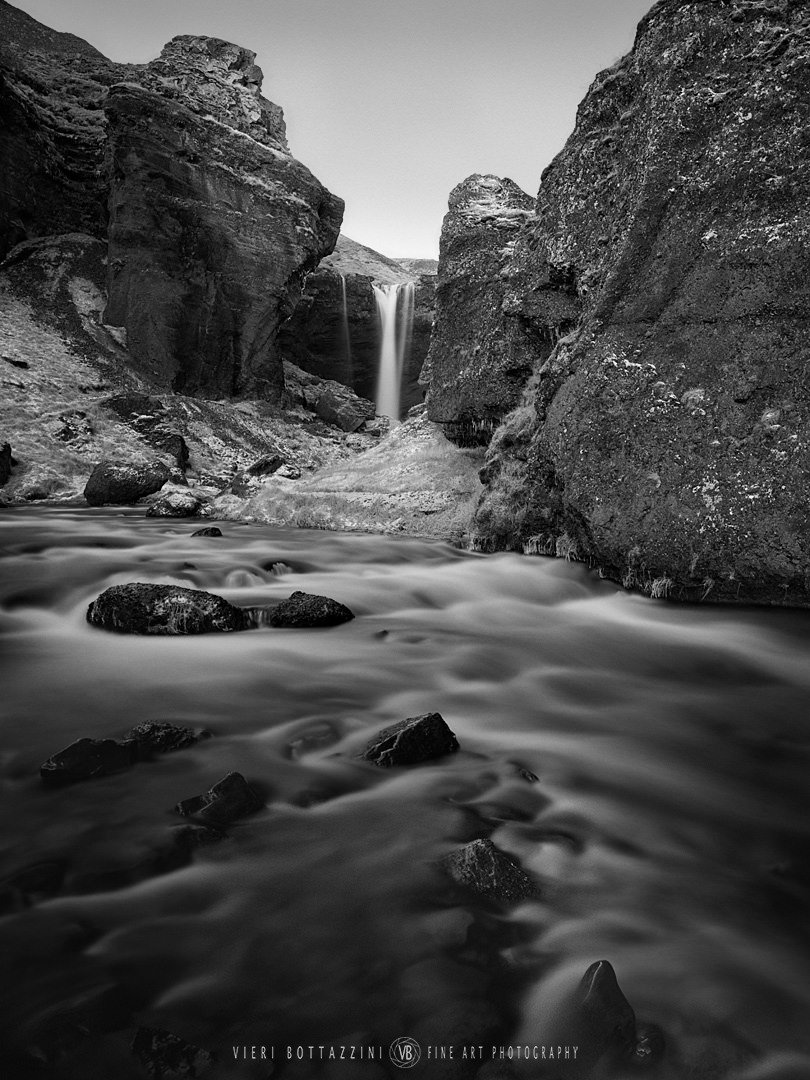
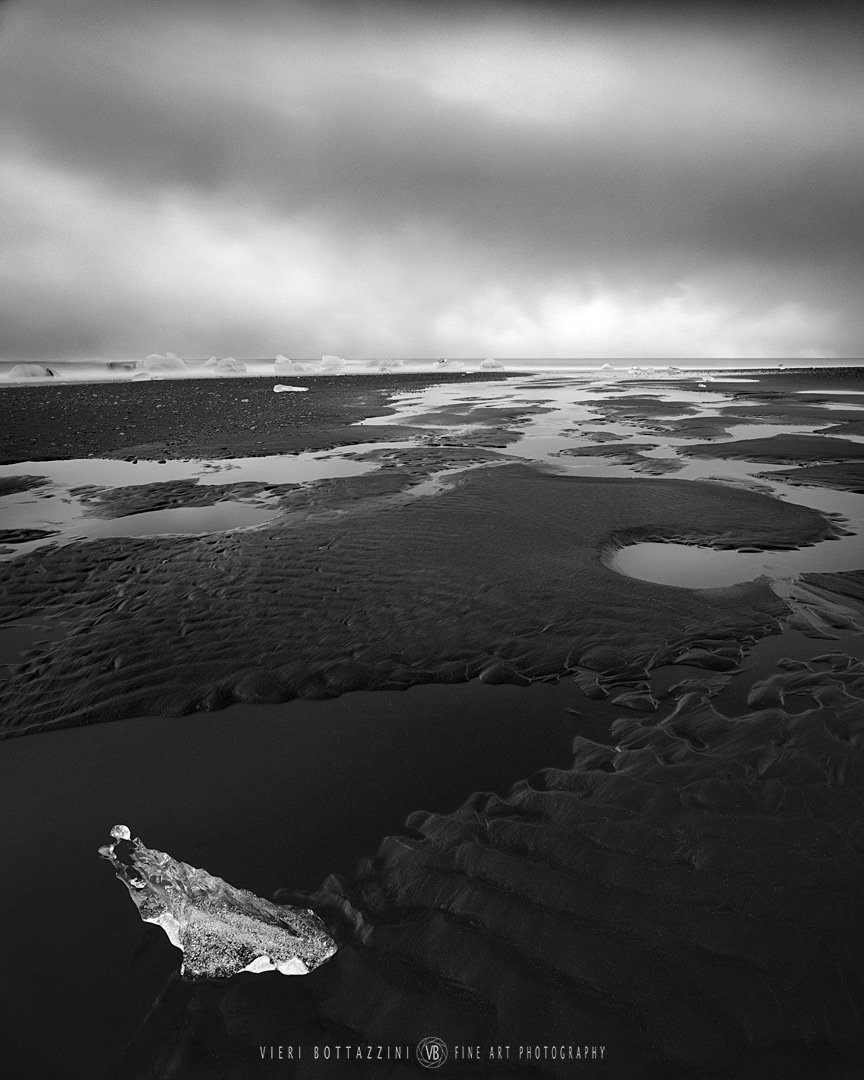
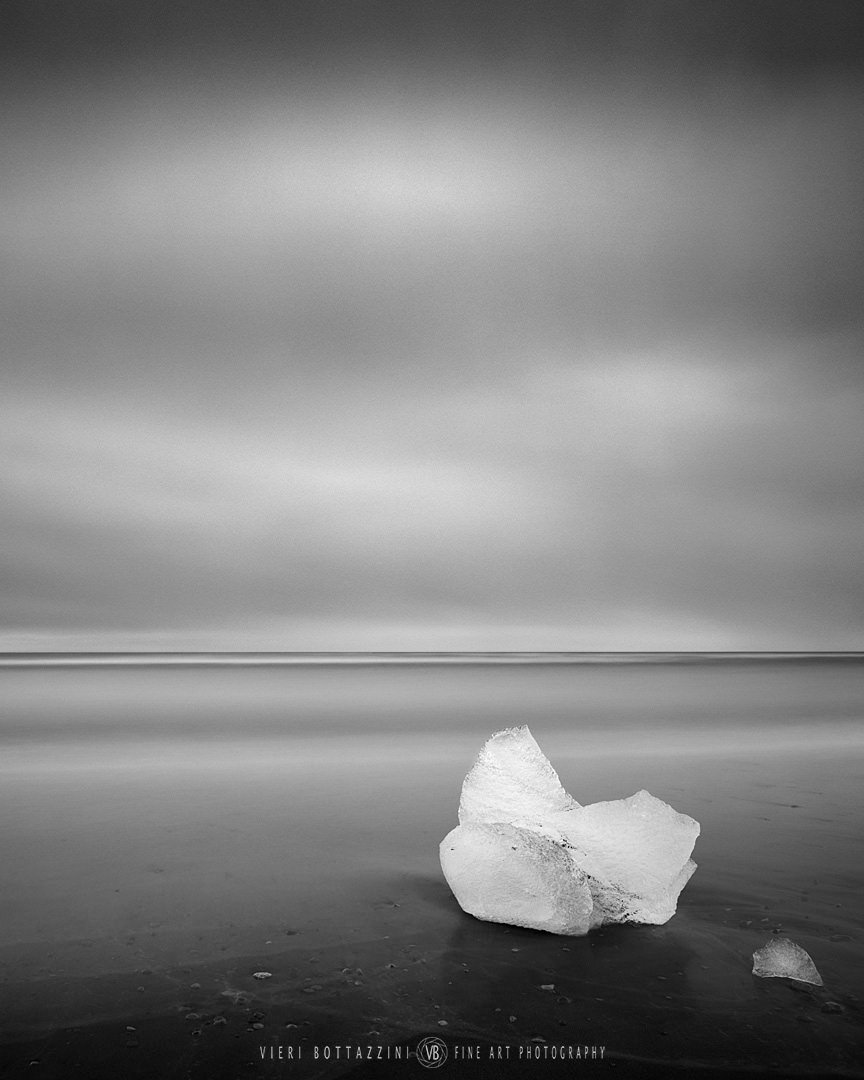
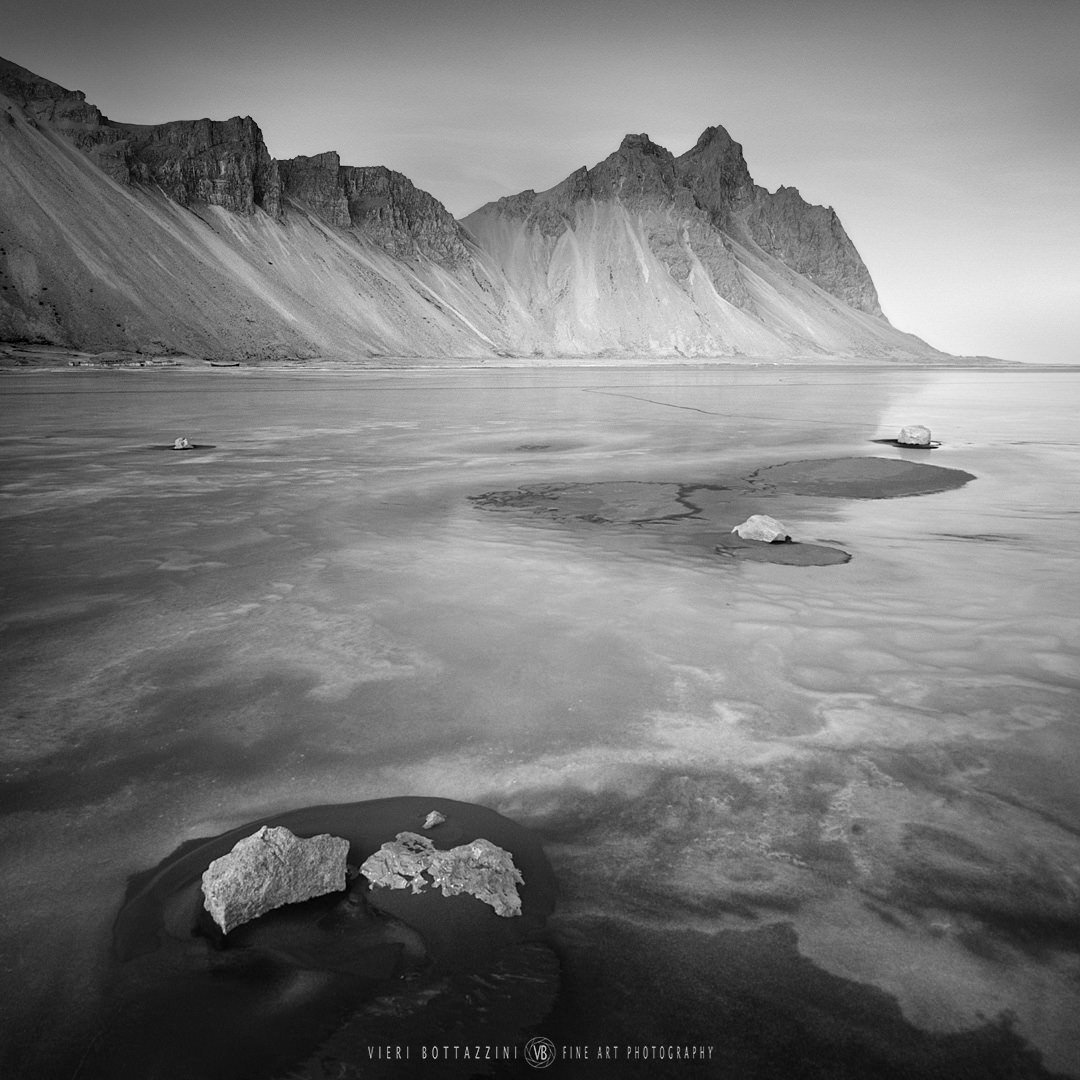
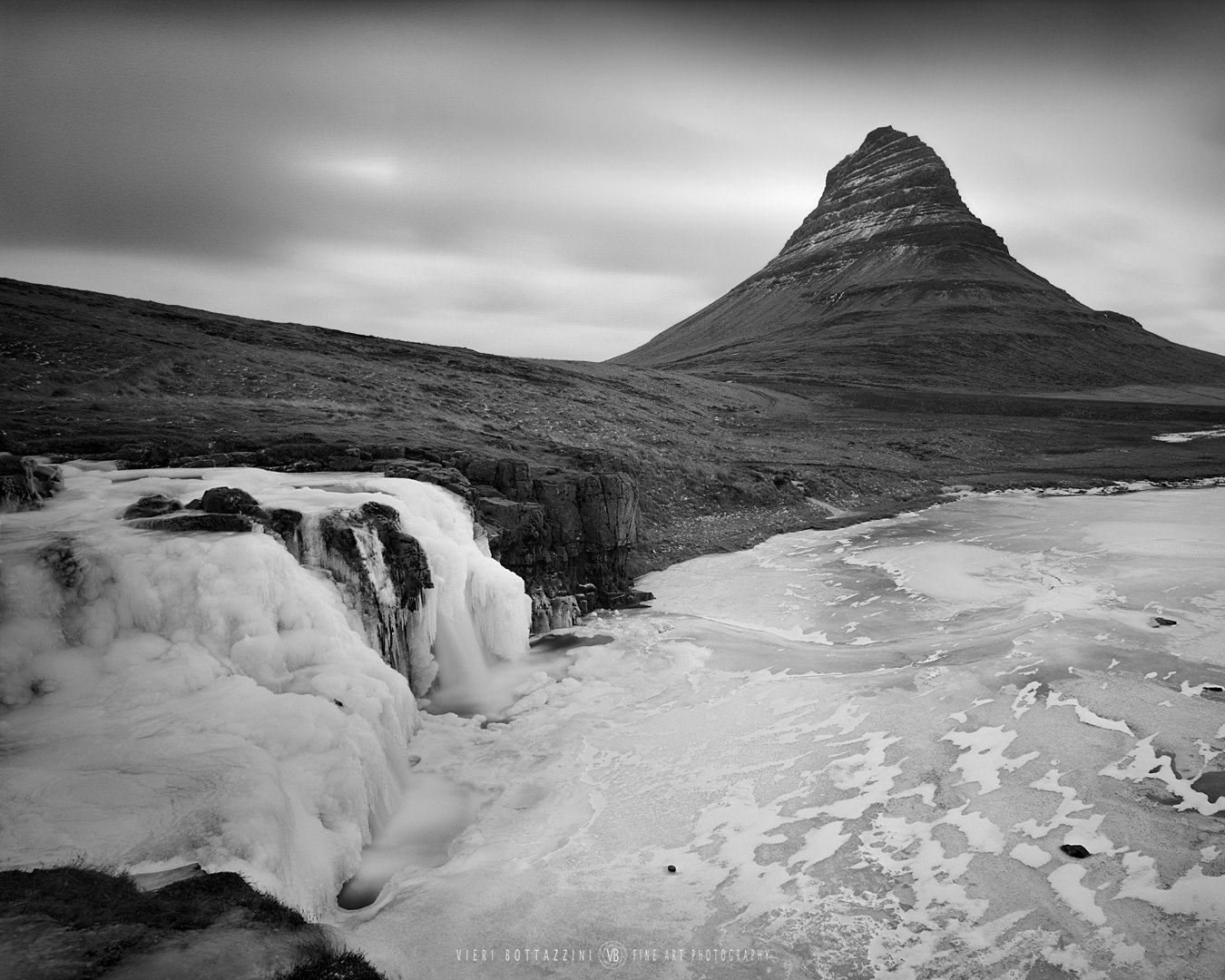
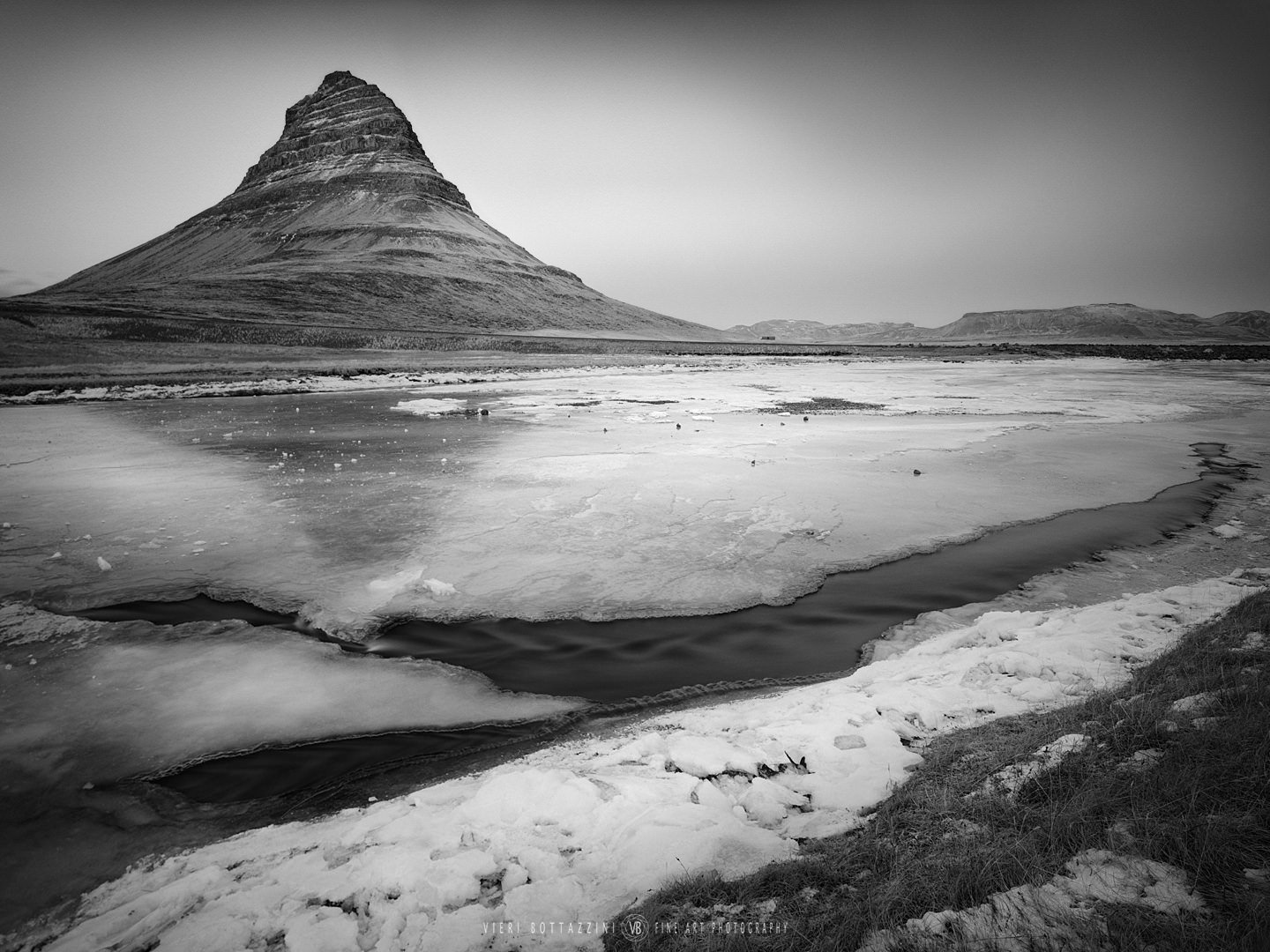
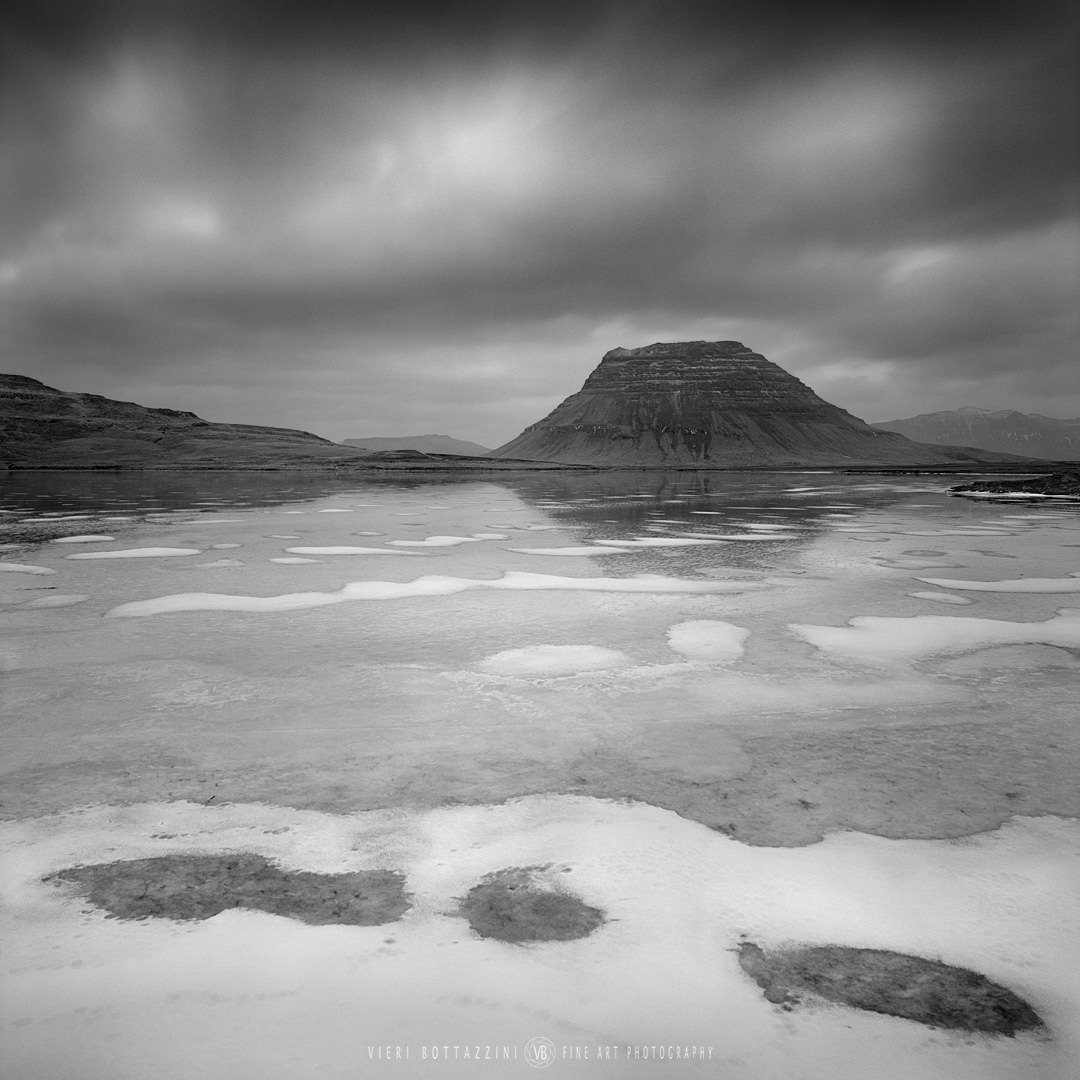
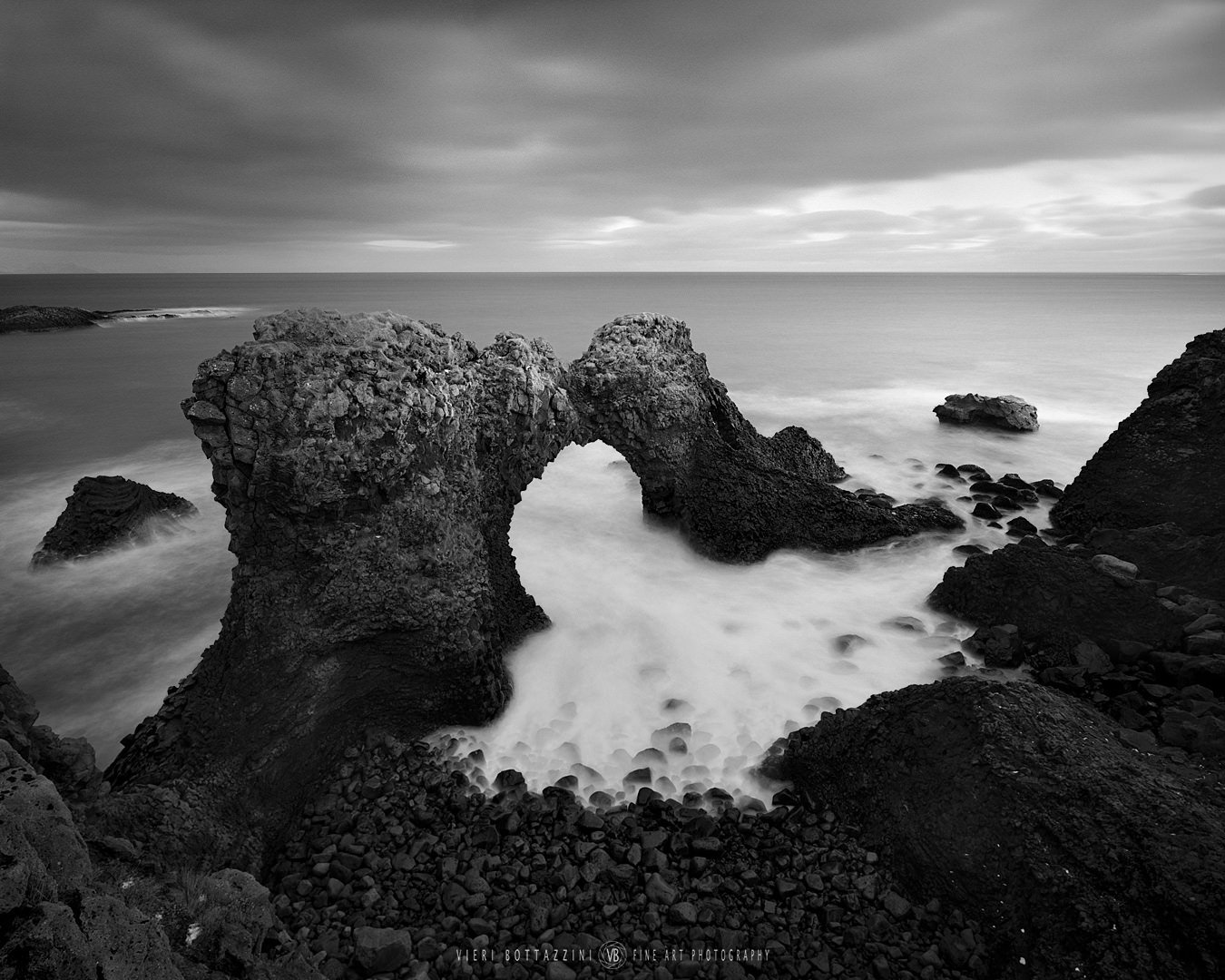
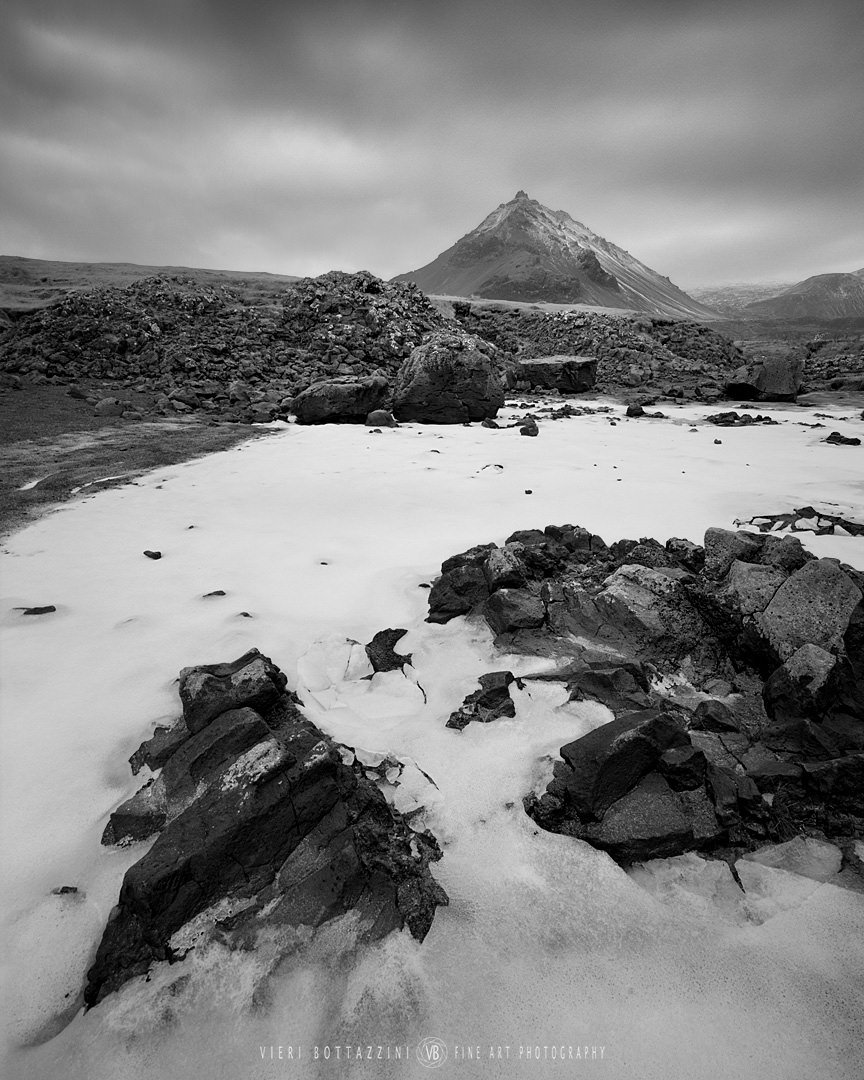

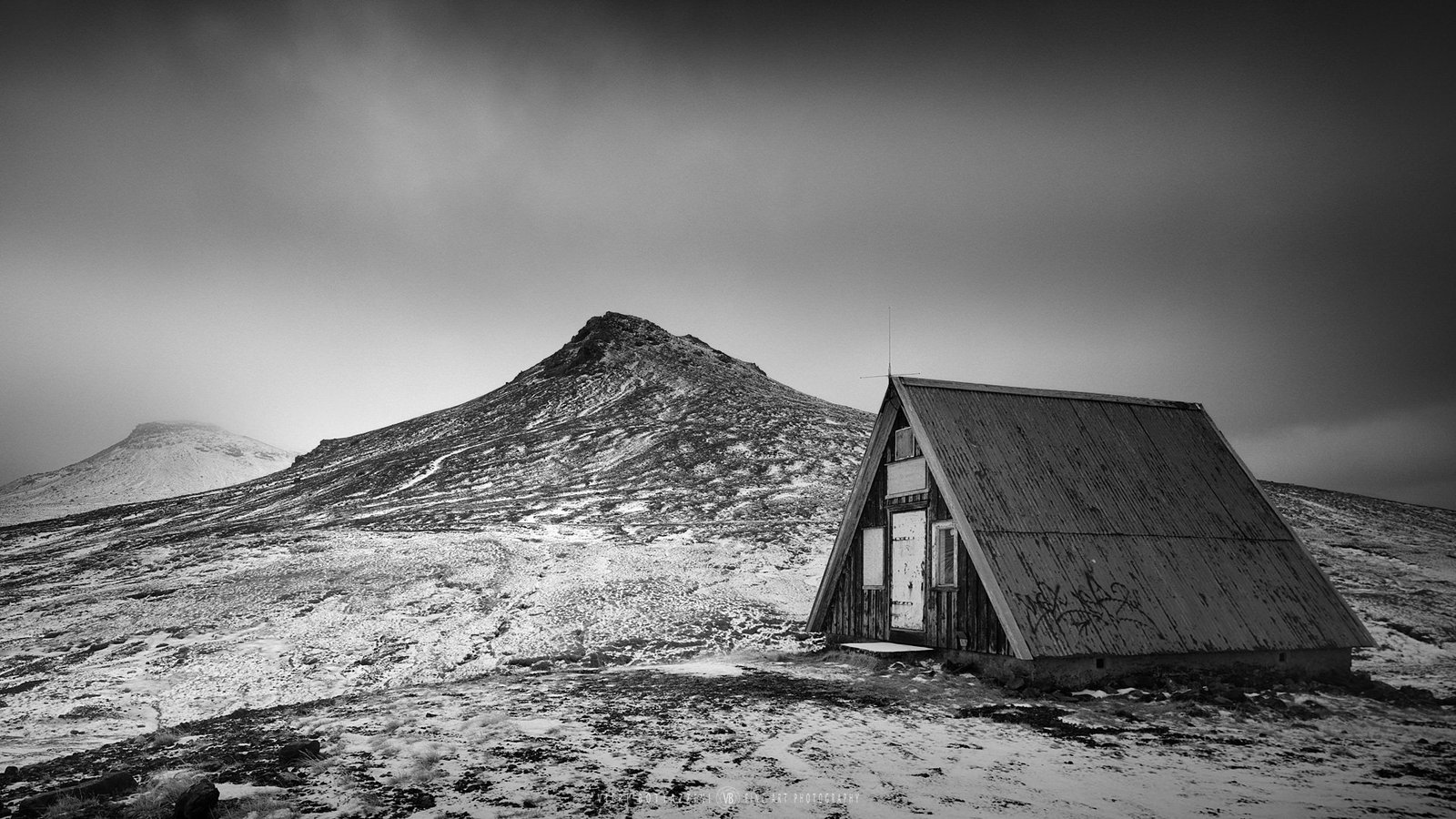
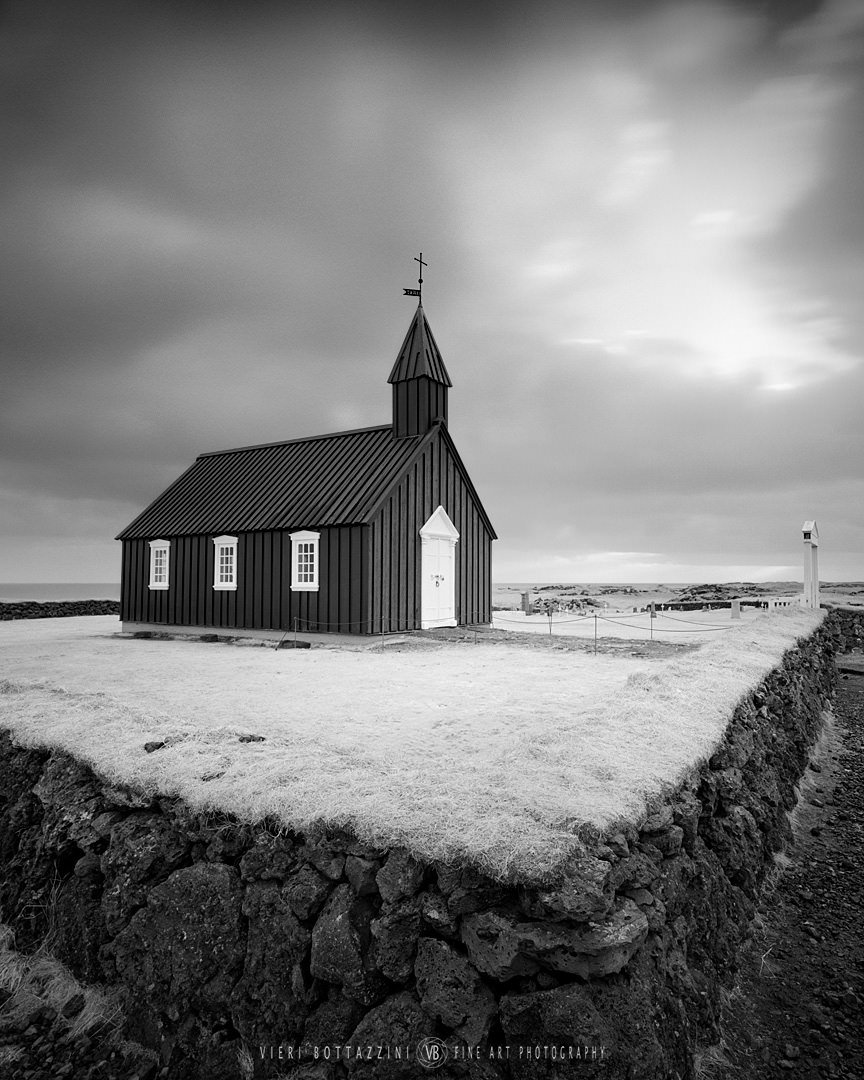
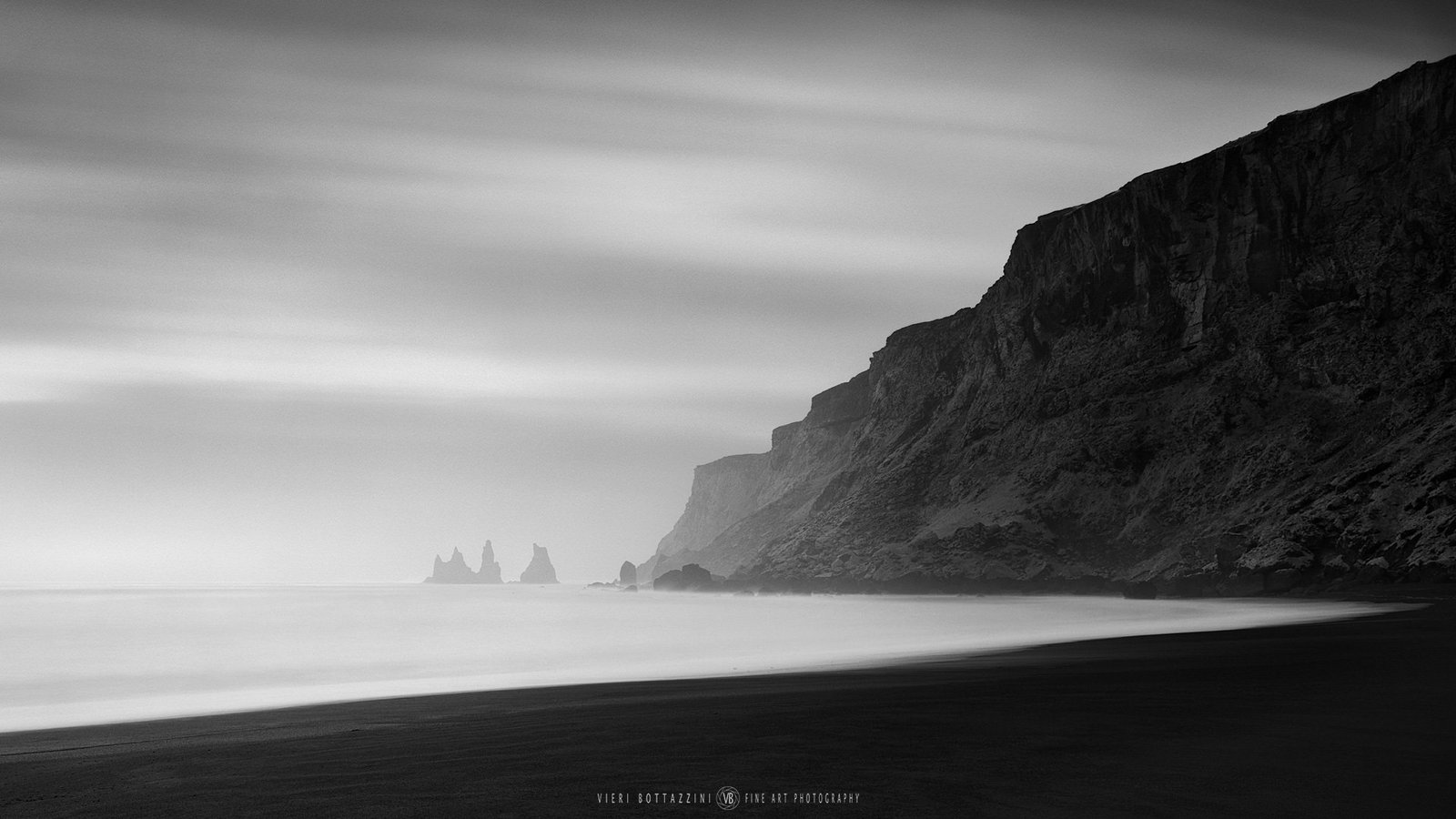
All photographs have been taken with Ilford FP4+, rated at 100 ISO, and developed in Pyrocat-HD for 12 minutes and 30 seconds, 30 seconds of agitation at start followed by 2 agitations per minute. The film has been pre-washed in water for 5 minutes prior to developing.
Despite all the challenges it poses, or perhaps – at least partially – thanks to them, I truly enjoyed working in Iceland with 4×5” film and I am excited about being here again in late February 2025 for more film photography.
Thank you for joining me along this journey in Iceland, it was a real pleasure to share this Portfolio with you!

Thank you for reading this post, I hope you enjoyed it! Why don’t you share it with your friends, or drop me a comment to let me know your thoughts about this?
4 thoughts on “ICELAND 2024: A 4×5″ PORTFOLIO”
How do you scan your 4×5 negatives to convert to digital.
Hello Roger,
thank you for your comment. Currently, I use an Epson V850 Perfection Pro, equipped with a ANR glass 3mm thick instead of the Epson 4×5″ film carriers, which I don’t like (film is not flat, and you lose a lot of exposed area, too).
Hope this helps! Best regards,
Vieri
Where you able to avoid having your film x-rayed at airport security?
Hello Marc,
Yes, in Keflavik Airport I asked nicely and they did inspect my 4×5″ boxes manually for me, without creating me any problems. The only airport where I had to x-ray my film boxes is Glasgow (GLA), I flew through there twice since going back to film and both times they have been absolutely inflexible.
Best regards,
Vieri