
TWO YEARS WITH THE OLD MASTERS
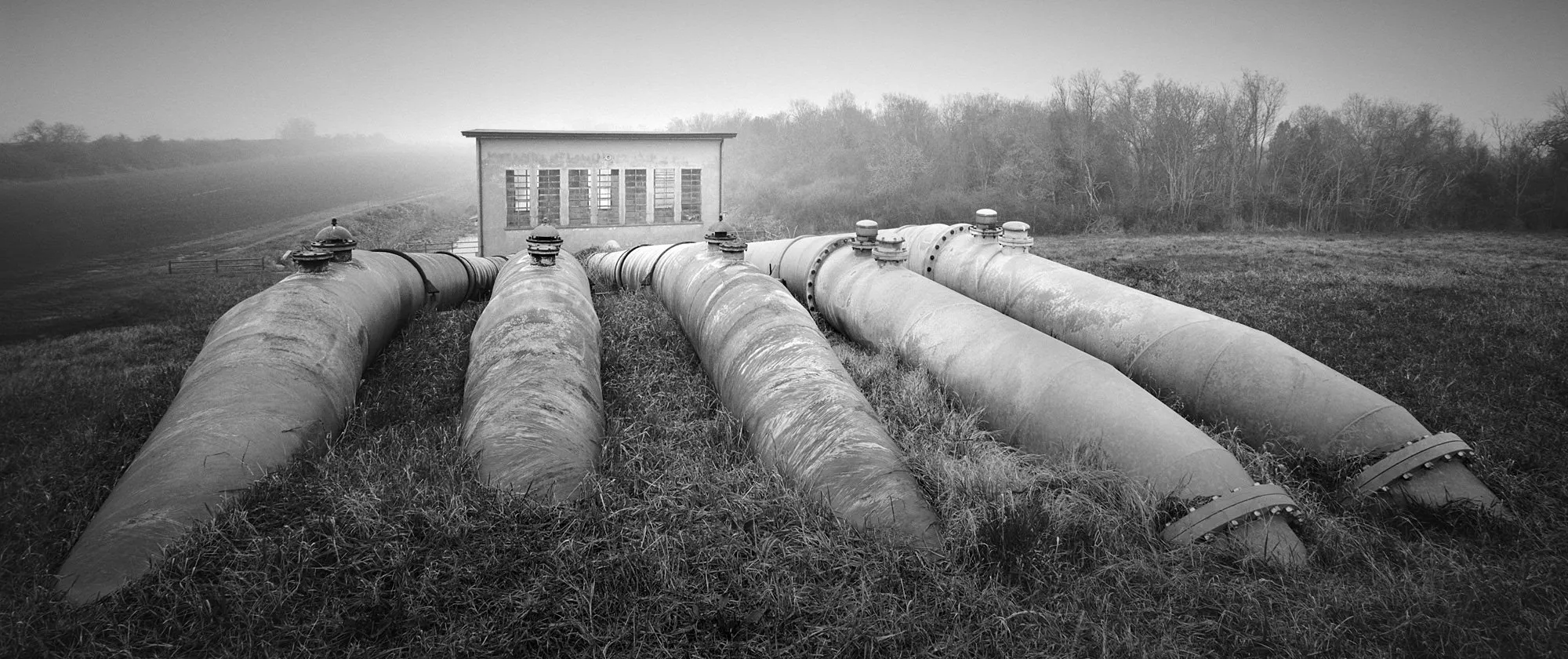
IN 2024, I MOVED TO LARGE FORMAT FILM: TIME TO STUDY THE OLD MASTERS ANEW…
In 2024, when I decided to move to 4×5” large format film and to a view camera, I had over 20 years of film photography on my back. I started in the early 1980s and when digital appeared on the scene in the early 2000s, I kept using film side-by-side with digital for a few years. As well, during most of my digital years I used a tech camera with movements, which is as close to a large format view camera as you can get with digital. Last, during all my life and photographic career I dedicated a lot of time to studying the art and craft of photography, putting together a vast collection of photo books and technical manuals.

Yet, when I made the decision to use 4×5” large format film as the main tool to create my Fine Art landscape photographs, I decided to not take for granted everything I knew – or everything I thought I knew! – and everything I thought I remembered. I decided to pretend I knew nothing instead and started studying the old Masters anew.
WHY THE OLD MASTERS | The purpose behind my decision was threefold. On one hand, I wanted to get a refresher on everything technical involved in film photography. From using a view camera, to exposing and developing film, to digitising it, I wanted to make sure I was ready to make the most of a large format 4×5” film camera’s potential in today’s digital age.
On the other hand, I wanted to further develop my knowledge of the lives and deeds of the classic film photography Masters. I wanted to explore their aesthetic approach, learn as much as I could about their philosophy, and discover the reasons why they did what they did and what inspired their work.
Last, I wanted to expand my knowledge about their bodies of work – their actual photography. I wanted to get inspired about the unique aesthetics of black & white film, the power of mastering tonal range and the look originating from the negative’s size combined with large format lenses.
I aimed at absorbing the way the old Masters used film to create their masterpieces and let that information work in the back of my mind, to assimilate the unique aesthetic of film within my existing digital body of work and use it to express my own philosophy and vision.
I started by reading again the books I had; once I went through those, new books started flowing through my door and piling up on my reading chair’s table. I don’t know exactly how many books I bought and read over these last two years; must be a number between 50 and 100. As I write this, there are about 15 books waiting to be read, plus a few more already coming in with the mail; and I am not nearly done yet!
Spending two years immersed in studying things photography-related, either new things or things I already knew, has been an invaluable experience and one that I believe would benefit all photographers, regardless of whether they work with film or digital and of their field of photographic application. So, after two years, I thought I’d share here some thoughts about what I learned, together with some reading suggestions, in the hope you will find it useful as well.
To make it easier to follow, I divided this article in three sections, dedicated respectively to Technique, Philosophy & Aesthetics, and Portfolios & Photo Books, offering book recommendations to go with each section. Some of the books recommended are unfortunately out of print, but most of those can be found used, with a little patience and luck. All have links to Amazon for your convenience (disclaimer: as an Amazon Associate I earn from qualifying purchases).
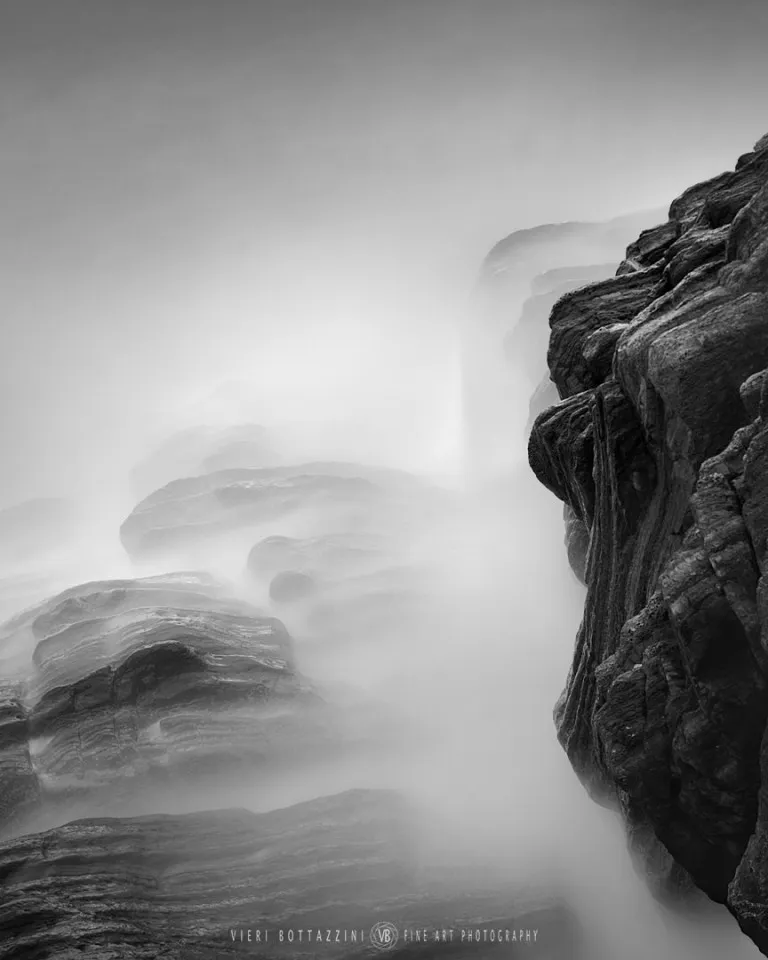
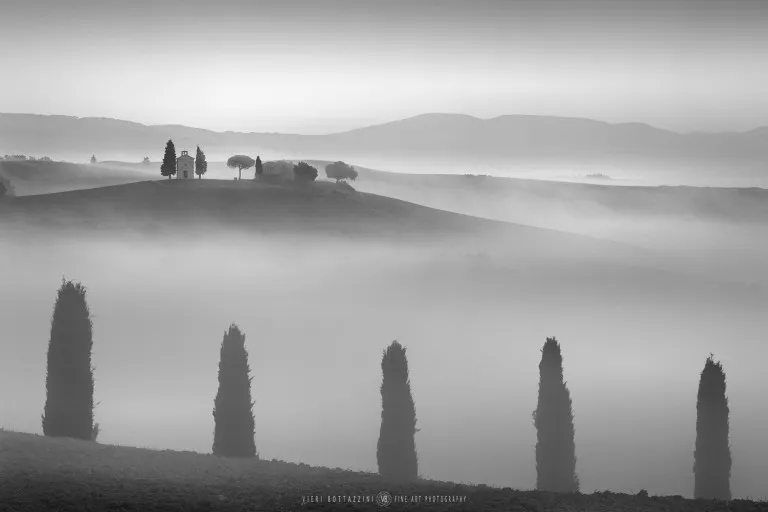
TECHNIQUE | Studying and mastering proper, classic photographic technique is one of the most underrated things in the modern, digital days we live in. Fully relying on digital camera automations and Photoshop resulted in way too many photographers not even knowing what a f-stop is or what it means, having no idea about the reciprocity law, thinking the light behaves in the real world like it does in Photoshop, and so on. Unfortunately, all that clearly shows in most of the photography we are exposed to online these days.
I have nothing against technological progress; as well, I have nothing against modern and contemporary art. However, as much as I like Jackson Pollock or digital art, I still believe that someone who wants to become a painter should start with mastering drawing and figurative painting, rather than by throwing paint on a canvas or telling an algorithm what to do. A music composer should know harmony and melody. An architect should know how to draw and sketch by hand. A writer should know grammar. And so on.

Equally, I believe that someone wanting to practice photography should know how light behaves, what the diaphragm inside a lens is and what it does, what the relationship between aperture, shutter speed and ISO is, what is depth of field and what it means for a photographic image to be in focus, and so on.
Having started back in the days of film, all technical concept related to photography were deeply engrained in me; still, I found reading again what the Masters thought of them, and how they presented them to us as creative tools rather than as cold notions, both refreshing and enlightening.
When it comes to photographic technique, in my opinion everyone should start by reading the three classic Ansel Adams books: THE CAMERA, THE NEGATIVE and THE PRINT (paid links).
THE CAMERA (paid link) will teach you all you need to know about the main tools of our trade: what you will find in the book applies regardless of whether you are using a film camera, a view camera or a digital point-and-shoot.
THE NEGATIVE (paid link) will teach you all you need to know about exposing your photographs, regardless of whether you intend to use the Zone System shooting black & white film or are using a histogram on a digital camera.
Last, THE PRINT (paid link) will teach you how to envision the final output for your photographs, regardless of whether you will end up printing in a darkroom, printing digitally or not printing at all.
If you are using film, I will also add THE NEW ZONE SYSTEM MANUAL (paid link), by Minor White, Richard Zakia and Peter Lorenz, which expands on Ansel Adams’ famous Zone System approach.
PHILOSOPHY & AESTHETICS | In my view, in our hyper fast, hyper technological day and age, theoretic discussions about the aesthetics of photography, the philosophy behind why we do what we do, and the ethics behind it all, are something dramatically missing in the photographers’ community at large.
That is even more true if you consider that technology changes faster today than it ever did since the advent of photography. With it, new aesthetic norms, new ethical issues, new boundaries to be set or abandoned are coming along (and disappearing) at such a pace that rather than agents in our own story many of us feel at the mercy of the current of technological changes.
For all the instant communications, the fora and the so-called social media, most of the colleagues I routinely talk to feel relatively isolated, struggling to face the challenges of the times and unable to have positive, educational conversations with peers about such topics.
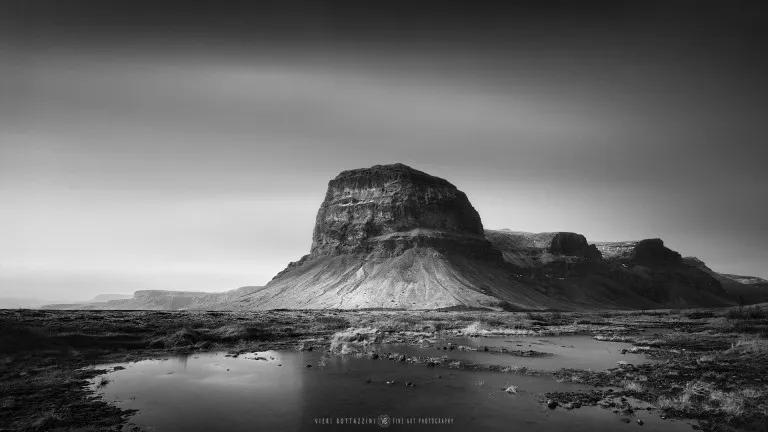
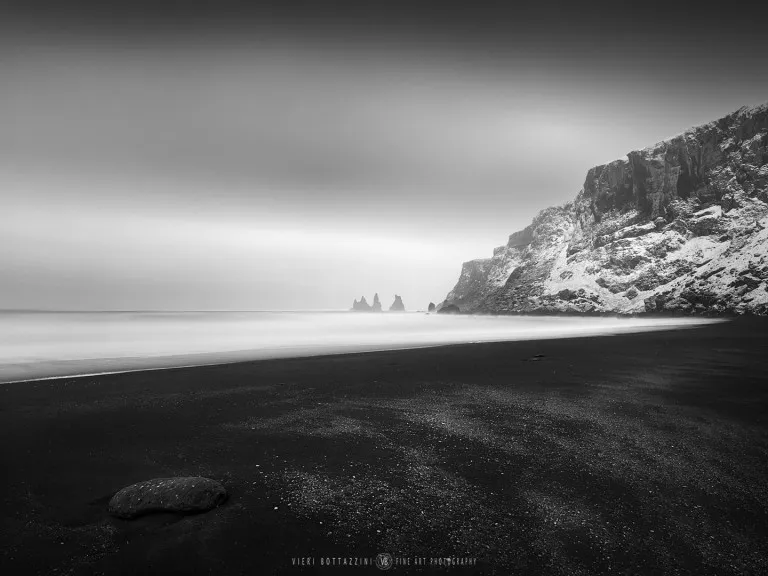
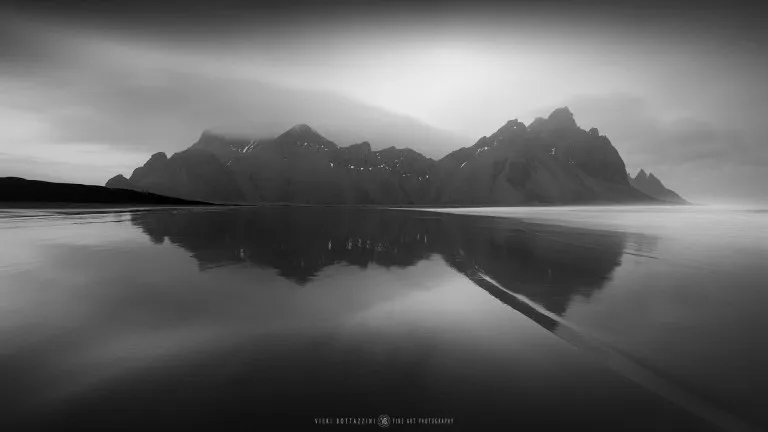
This is in striking contrast with the written output of many of the Masters, who happily for us left us an abundance of books expanding on these topics – regardless of whether they were written with this specific purpose in mind. They are a great resource; they are fun and interesting to read; and I never have enough of them. Let me try and narrow down a list with a manageable number of them.
Ansel Adams was something of a Renaissance man; a photographer, a musician, an educator and an author, he left an essential mark in the history of photography – and not just landscape photography at that. As such, if you are interested in understanding more about the development of photography in the 20th century, both technical and philosophical, I would start my recommendations with ANSEL ADAMS: A BIOGRAPHY (paid link) and ANSEL ADAMS: AN AUTOBIOGRAPHY (paid link), as well as ANSEL ADAMS: LETTERS 1916-1984 (paid link).

Letters, to me, are a great way to get to know someone’s mind, and so are diaries; so, my next recommendation is THE DAYBOOKS OF EDWARD WESTON (paid link); if you can read Italian, VITA, ARTE E RIVOLUZIONE: LETTERE A EDWARD WESTON (paid link) by Tina Modotti is an enlightening book, offering unique insight into one of the most interesting partnerships in life and art of the 20th century.
Back to Ansel Adams and Edward Weston, is simply incredible to read about these two giants of early days modern photography and follow them along their artistic and creative journey during the times when a completely new way of expression, photography, was being developed.
Their ability to create either following strongly defined aesthetics and philosophies, or to rationalise and systematise their work ex-post, creating a coherent intellectual structure for it, is remarkable; the amount of time and effort they dedicated to creating a framework for their work to “make sense” to them and the world, inspiring.
I always strongly felt the need to fit my personal black & white work into a structure with strong aesthetics and philosophical basis, to the point that if I could not imagine a story to go with a given photograph, I simply would not take it. At times, during my career, following such an approach made for a pretty lonely world to live in; reading about the importance given by the Masters to that aspect of photography made it a little less lonely.
One of the incommensurable pleasures of reading books, for me, is the ability of each new book to open the door to another book, and then another. Ansel Adams, Edward Weston and the f/64 movement got me interested in finding out more about their foe, Pictorialism, and about William Mortensen in particular.
AMERICAN GROTESQUE: THE LIFE AND ART OF WILLIAM MORTENSEN (paid link) is a book I found fascinating in that it introduced me not just to one of the Masters of Pictorialism and his remarkable body of work, but – so to speak – to the theory and practice of Photoshop-before-Photoshop. As such, it is a book I cannot help but recommend to you as well.
Another singular figure in the group of the old Masters, albeit for completely different reasons than Mortensen, was Minor White. Slightly younger than Ansel Adams or Edward Weston, White followed a deeply spiritual and philosophical approach to photography, especially later in his career; MINOR WHITE: MANIFESTATIONS OF THE SPIRIT (paid link) is a very interesting read, and one I would recommend without a doubt in a list of books about the aesthetics and philosophy of photography.
Besides books written by, or about, photographers, I would be remiss not recommending you a couple of John Berger’s books I either read or re-read during these couple of years: UNDERSTANDING A PHOTOGRAPH (paid link) and WAYS OF SEEING (paid link) are must-read; as are Susan Sontag’s ON PHOTOGRAPHY (paid link) and Walter Benjamin’s THE WORK OF ART IN THE AGE OF ITS TECHNOLOGICAL REPRODUCIBILITY (paid link).
Regardless of whether you agree with them or not, the latter two books have that great quality of still being as relevant today as they were when they were written, if one manages to read them through the lens of the issues photography faces in our times, and I have found them enlightening.
More, one of the things I found most inspiring and fascinating about this part of my reading is how the lives of all these figures were intertwined with major thinkers and artists of their time; just to give you a couple of examples, Weston was friend with Diego Rivera, Frida Kahlo, Siqueiros, Orozco and so on; Man Ray with Picasso, Braque, Breton, and so on. Reading about one of them takes you into a world of inspiring connections and intellectual stimuli that is hard to find in today’s photography space.
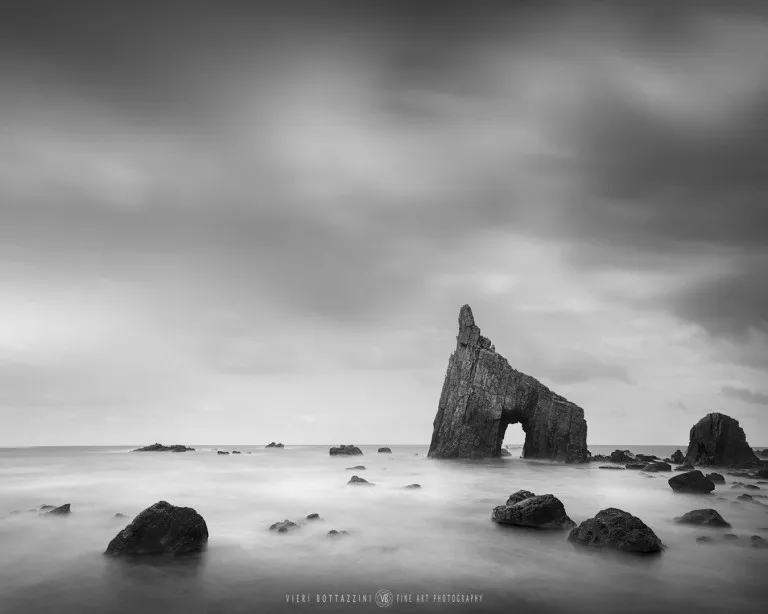
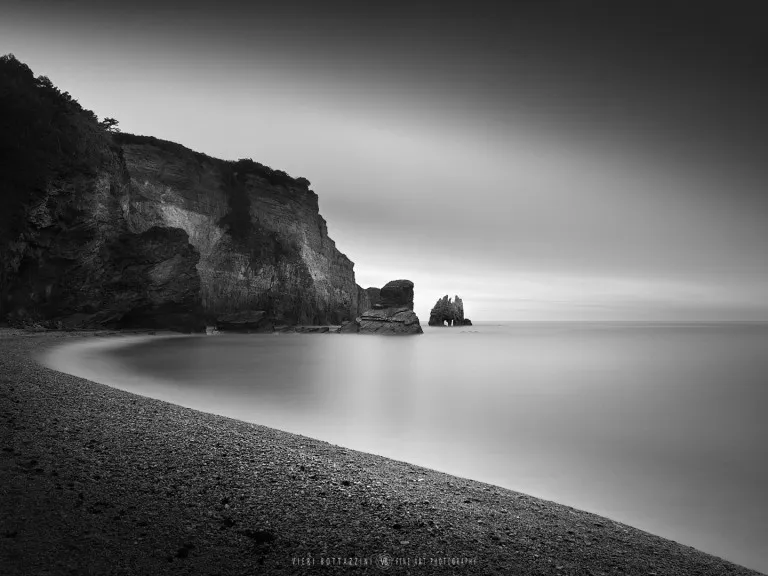
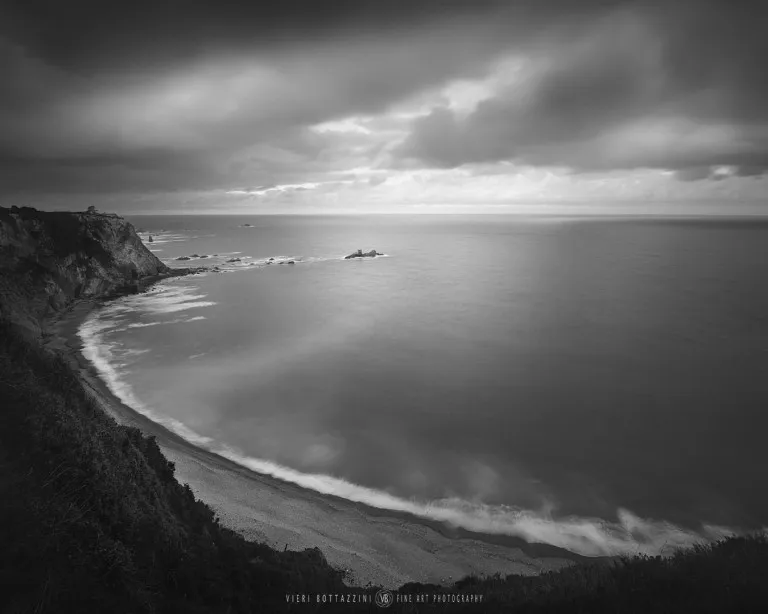
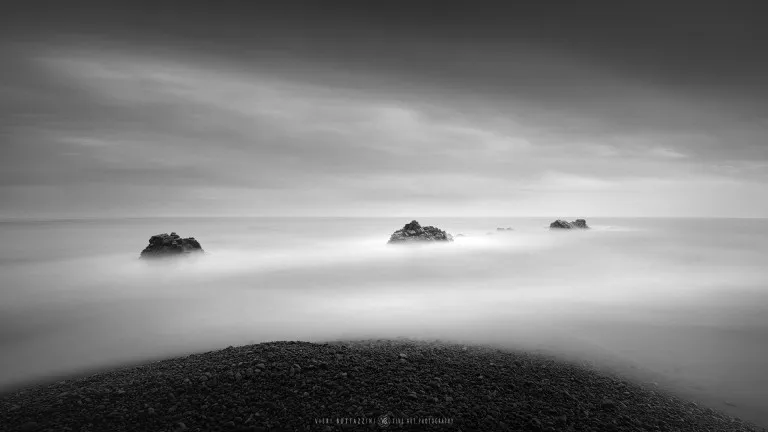
Last, a note about motivation, willpower and determination. People often ask me about the difficulties of working with 4×5” film versus digital; sure, working with my Arca-Swiss camera is a bit more complicated than my previous digital kit, but it is way easier for me today than it was for, say, Edward Weston back in the day. To give you just one example, happily I do not need to choose whether to make a car payment or buy film, like he often had to; and this is just one example out of many.
Yet, working with what most people today would consider primitive technology and with much less material comforts than what we can enjoy today, the Masters made history. No digital, no Photoshop, no AI, no zoom lenses, no autofocus, no 100 shots per seconds, no face tracking, no focus stacking, no 1.000.000 ISO, and so on. Just clear ideas, and the willpower to make them happen on a piece of film and photographic paper.
There is a lot to learn from that.
PORTFOLIOS & PHOTO BOOKS | Many books I found worth reading due to their contribution to the conversation about the aesthetics and philosophy of photography are illustrated with so many photographs that they overlap with books belonging in the category of Portfolios & Photo Books; if one is ready to dedicate time to read the accompanying text, of course!

When it comes to art’s appreciation, the times something has been created are one of the strongest factors. During the history of art, inevitably, most of what felt new and revolutionary at the time of creation became a thing of the past, sooner or later. Conversely, almost at any time in the history of art there has been a current of appreciation for, and of creators dedicated to, art from “the good old days”.
As well, times in art have been changing exponentially faster as we progressed in history towards today, and with that came an astonishing, unprecedented increase in the number of people practicing arts. Coming to photography, digital and social media brought a massification and democratisation of the art and craft resulting in millions, if not billions, of images being put out there every year, versus perhaps hundreds, thousands at the most, of photographs created yearly a century ago – not to mention the intent and quality behind such creation then versus now.
It may be true that (almost) everything has been photographed already; but that is of no consequence if we remember that what differentiate between a masterpiece and just another mundane snapshot is how and why a photograph has been made, not what the subject of a photograph is.
All this should serve as a warning when we are appreciating (and judging) photographic works created a century ago. We always need to try and place each photograph at the time it has been created, in order to fairly assess its merits. Failing to do so, we risk dismissing most of the revolutionary work made by trailblazing photographers as mundane, banal and something that “I could have done it with a smartphone”.
When creating a new photograph of something, or someplace, what comes to my mind is something I always thought when I was preparing to perform a Concerto or a Sonata during my classical music career: is my interpretation adding anything?
In the dozens of photo books that I read during these last couple of years, I found many photographers asking themselves similar questions; while their own answers may vary from full self-confidence to full self-doubt and everything in between, the final answer, about all of them, is in the very existence of their work and in the fact that we are still studying it, and them, today.
Coming to the books themselves, there are so many seminal and fundamental photo books out there, and so many books that I have read and studied during these last two years, that more than a set list of recommendation what I can offer are some indication, hoping they will serve both as a starting point and as food for thought.
The concept of Fine Art in photography is a though one to define, especially in days when everyone defines themselves artists (it is always worth remembering that it should be others that do that for us). To me, among the older generation of Masters, when it comes to Fine Art photography the name that stands out is Edward Weston. PORTRAIT OF THE YOUNG MAN AS AN ARTIST (paid link), or THE FLAME OF RECOGNITION (paid link), are both books I enjoyed and that will give you a pretty good idea of Weston’s work, but any book will do.
In my opinion, composition is the most important pillar on which a Fine Art photograph should stand. Regardless of whether you are a Minimalism lover or not, I find the study and practice of Minimalist photography to be fundamental to develop and strengthen our compositional skills. While not one of the old Masters, I will make an exception for Michael Kenna and include him here. During these last two years I studied many of his books: I am partial to FORMS OF JAPAN (paid link), BEYOND ARCHITECTURE (paid link) and IL FIUME PO (paid link). TREES (paid link) is another good one.
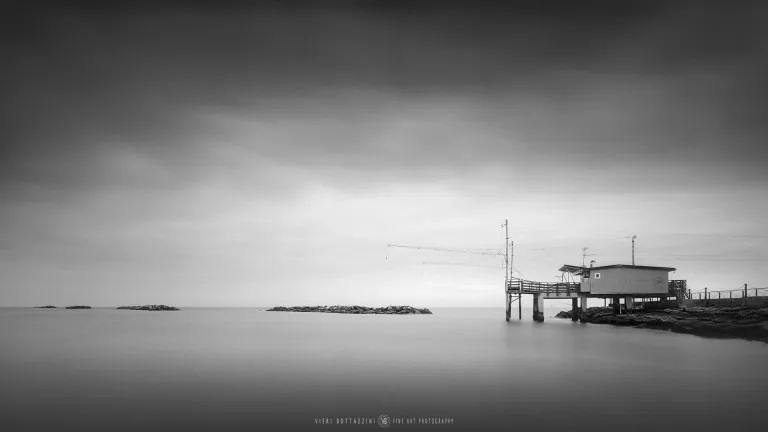
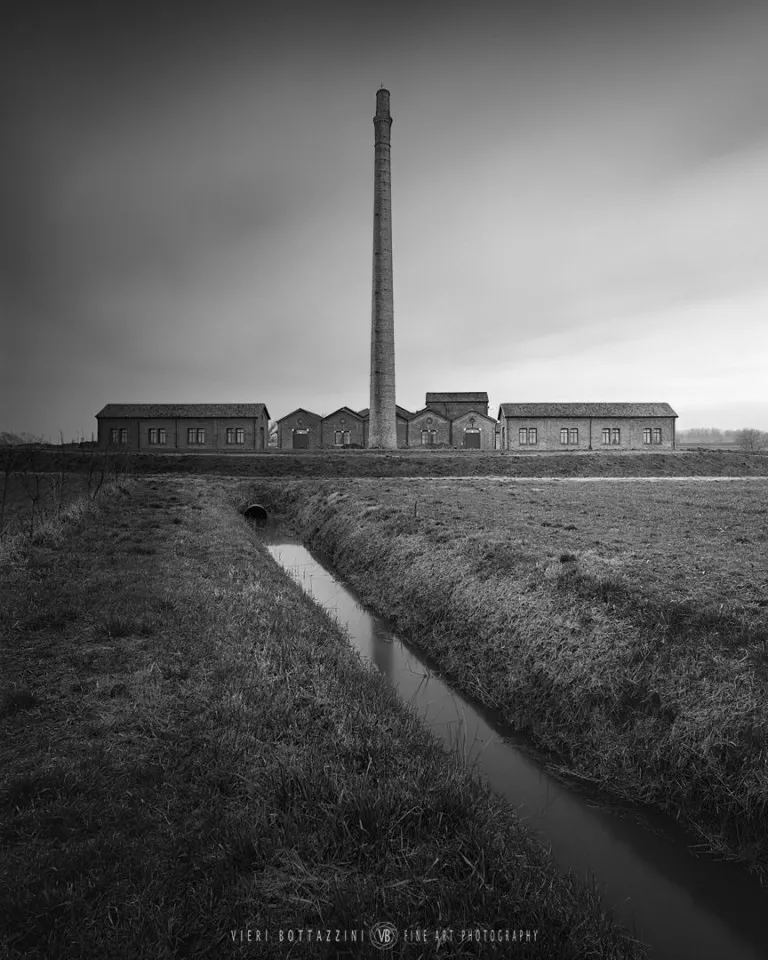
Another photographer whose work is compositionally very strong, albeit not in a classical way and not a landscape photographer, is Diane Arbus. During these last two years, I spent a lot of time with both DIANE ARBUS: REVELATIONS (paid link) and DIANE ARBUS: AN APERTURE MONOGRAPH (paid link) and found them both very inspiring. Her empathy for her subject, her curiosity, her dedication to humanity and, of course, the photographic quality of her work make recommending these two books very easy.
Not a landscape photographer as well, W. Eugene Smith is a photographer I studied in depth during these two years, and one whom I developed a deep connection with and huge respect for. His approach to reportage and his dedication to his work were as revolutionary as they were inspiring and, in my opinion, are still unparalleled to this day. Before studying W. Eugene Smith, I thought I was 1000% dedicated to photography; Smith’s approach gave dedication a whole different meaning.
If you have not got them already, DREAM STREETS (paid link), dedicated to Pittsburgh; THE JAZZ LOFT PROJECT (paid link), dedicated to his New York years; and, of course, MINAMATA (paid link), dedicated to the poisoning of a Japanese city, are unmissable in any photographer’s library. The empathy for his subjects, the expressive power of his work, the quality of composition and printing, all are as inspiring, fresh and relevant today as they were when he created the work.

Lately, I have been looking into surrealism, and a couple of books about Man Ray and Lee Miller helped me do that: MAN RAY: A PERSONAL PORTRAIT, 1890-1976 (paid link) and LEE MILLER & MAN RAY: FASHION, LOVE, WAR (paid link).
If you read me this far, you might have noticed that I have not mentioned Ansel Adams’ work so far. Regardless of what you think about his work today, and about how it aged, Adams is one of those photographers whose work is deeply connected with the history of landscape photography. His prints are legendary; some of his photographs are true masterpieces; all have huge historic importance. Most of us landscape photographers would not be here without Ansel Adams paving the way.
While I am a landscape photographer and while I work in black & white only, my own work is very different from Ansel’s, both as far as compositions and as far as the choice of exposures I use to create my interpretations. Still, Ansel Adams was hugely influential for me, and this section would not be complete without recommending some of his books.
There are so many books dedicated to Ansel Adams’ work that making recommendations is not easy; I think I have about a dozen, but if I had to recommend just one, that would be ANSEL ADAMS: 400 PHOTOGRAPHS (paid link) to get the most comprehensive idea about his work. If you want to add another one, EXAMPLES: THE MAKING OF 40 PHOTOGRAPHS (paid link) is an interesting read. If three is the number you want to go for, or if you are interested in how the creation of Portfolios changed over the years, then THE PORTFOLIOS OF ANSEL ADAMS (paid link) is the book for you.

CONCLUSIONS | Like music, photography is an art and a craft best learned by doing, preferably with the help of a mentor or a tutor you trust. That said, the amount of knowledge and inspiration we can get from books, in this specific case books by, or about, the old Masters, is both dramatically underrated and tremendously helpful.
During these last two years, I have been privileged enough to spend most of my daily reading time in the company of legendary figures, artistic and intellectual giants, feeling part of the way they thought, the way they felt, the way they loved and hated – and, in case of photographers, the way they photographed.
Getting to know them through their words and writings helped me getting to know myself; discovering the thinking behind their approach to photography and art helped me fine tune mine. Walking alongside them during their journey with photography, a journey that helped shaping photography as we know it, helped me finding a surer footing along my own path.
Most importantly, these two years with the Masters are not nearly a concluded experience, for me; they are just the start of a wonderful friendship through time, one I will keep fostering and developing for as long as I can.

Thank you for reading this post, I hope you enjoyed it! Why don’t you share it with your friends, or drop me a comment to let me know your thoughts about this?