
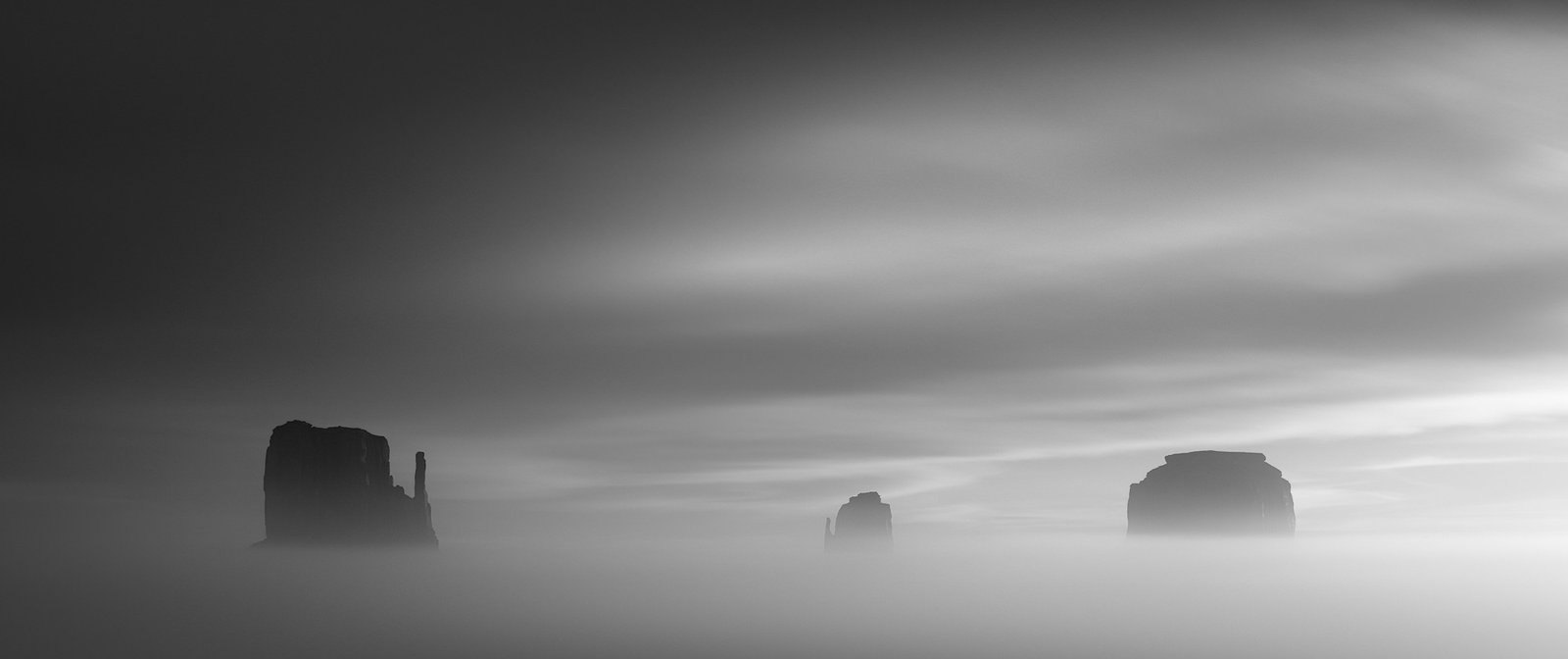
SIX MONTHS WORKING IN THE LANDSCAPE WITH THE FUJIFILM GFX100RF
In September 2025, FUJIFILM ITALY kindly loaned me a Fujifilm GFX100RF, letting me keep it until April 2026 to try it out for my landscape work. See FINE ART LANDSCAPE & GFX100RF: A FIRST LOOK as a first part of my experience with the camera. Over the six months I had the camera, except for about a month over Christmas and New Year I have been on the road non-stop, both for my personal work and to lead Workshops.
The camera has been with me all over the world: Italy (Cinque Terre & Tuscany), Spain (Asturias & the Northern Coast), the USA (Oregon, Death Valley and the Southwest), Ireland (the Northern Coast), then Italy again (Comacchio’s lagoons), Scotland (Glencoe & the Isle of Skye), Ireland (the Northern Coast again), Iceland and finally on the Faroe Islands.

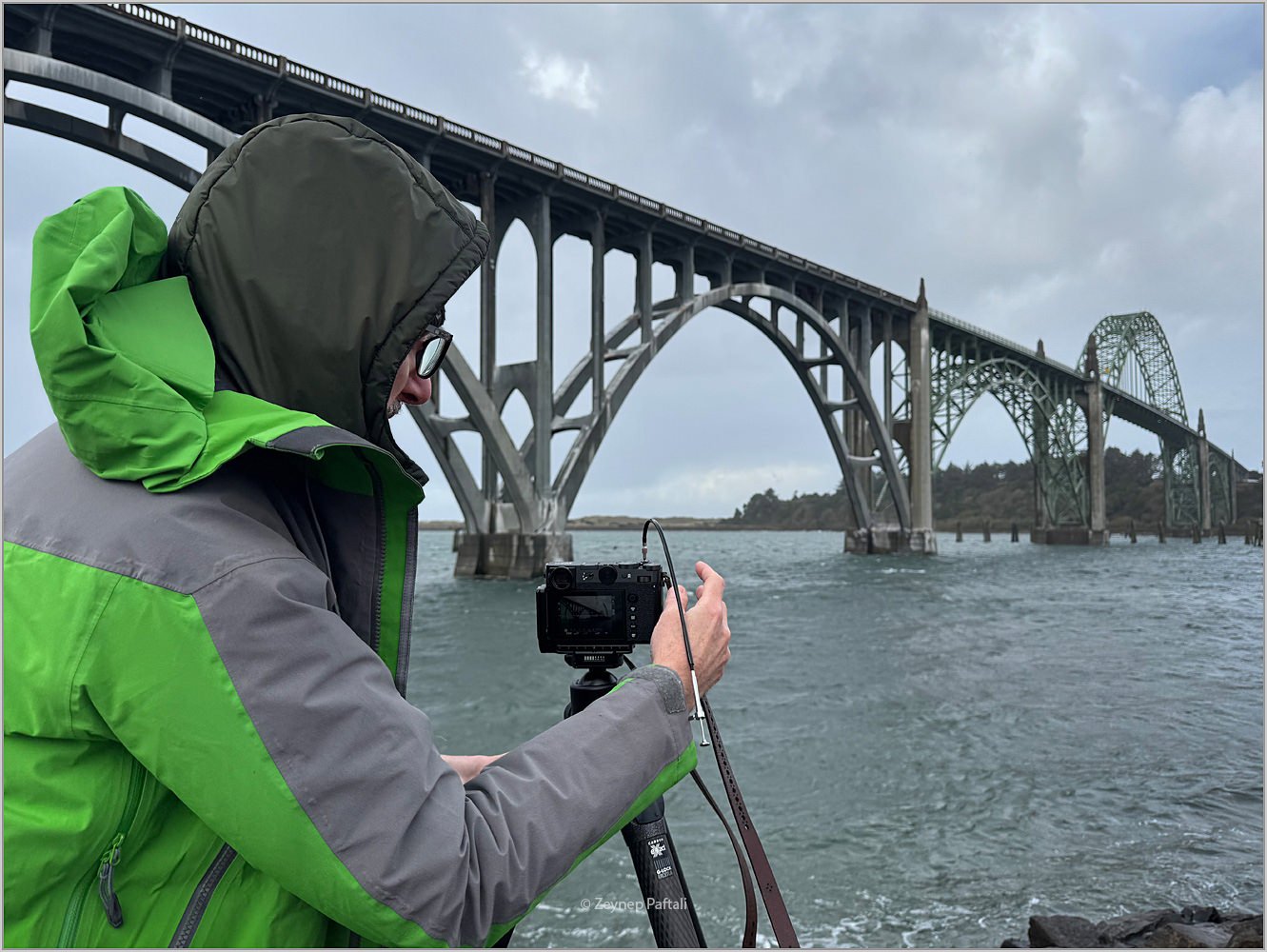
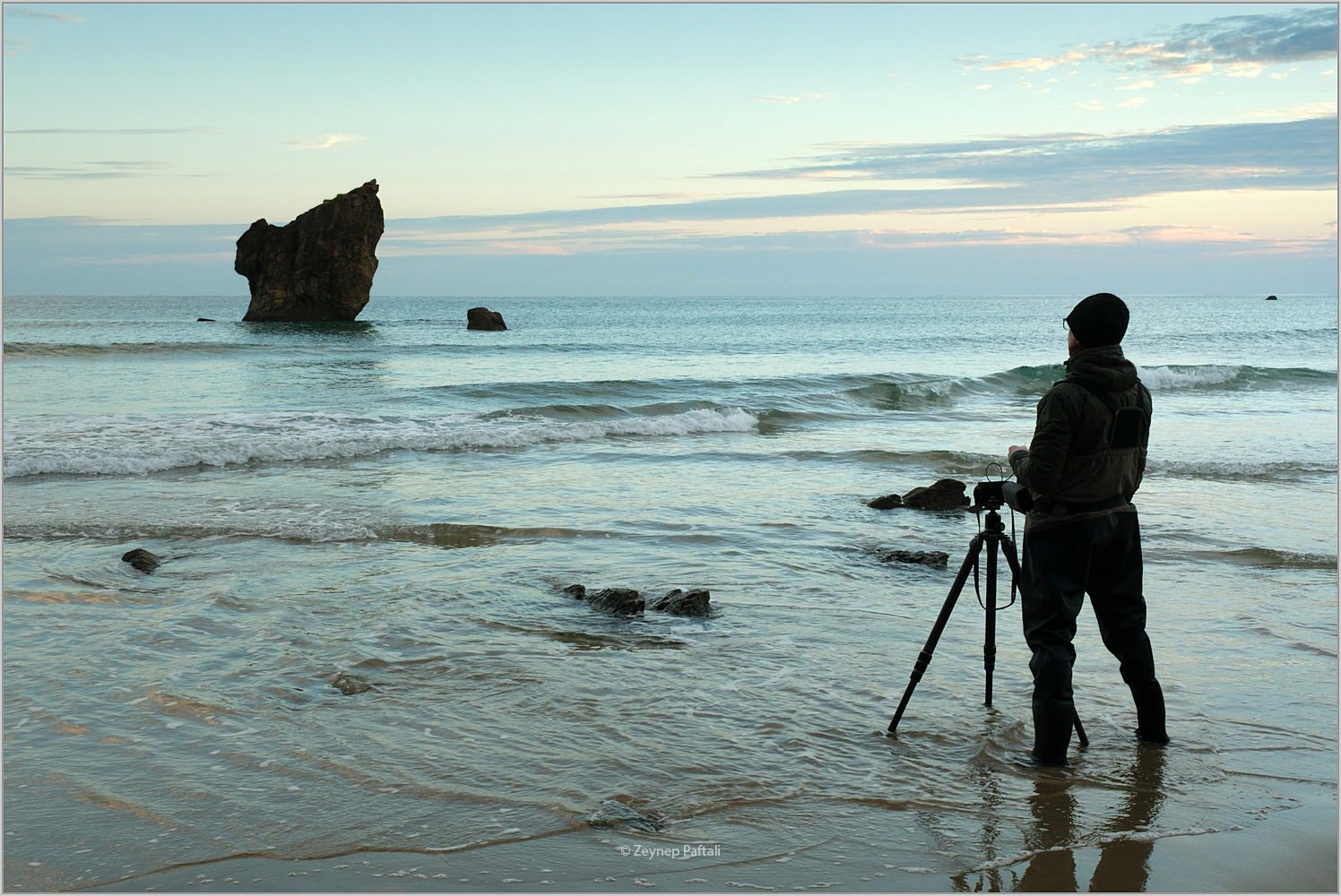
Technically speaking, this gave me the opportunity to test it on the most diverse variety of landscapes, from the ocean to the mountains, from dry deserts to boggy moorlands and everything in between, and use it under all sorts of weather conditions, from gale force winds to rain and snow, and temperatures from mild end of summer in Spain to extremely cold winters in the north of Europe.
Artistically speaking, this allowed me to put it through its paces on a wide variety of photographic situations, from iconic vistas to intimate, minimalist compositions, requiring different treatment both at the time of shooting and when it came to post-process the files.
This article is the result of these six months on the road. As always, my findings and my conclusions are based on my work as a Fine Art landscape photographer; if you do a different kind of photography, my conclusions might not apply to you.
Disclaimer: the camera reviewed here has been loaned to me by Fujifilm. At the time of writing, I am not connected to Fujifilm in any way, I am under no obligations with Fujifilm to write anything and all findings reported here are my own.
WHEN I USED AND HOW I SET IT UP | My main camera system is an Arca-Swiss M-Two, shooting 4×5” large format film. The Fujifilm GFX100RF joined it both as a digital backup, and as a camera I enjoyed using when the situation called for its 28mm FOV equivalent lens. I equipped it with an Arca-Swiss compatible L-Bracket to be able to use it on my tripod; attached a step-up ring to its filter adapter to be able to use my 95mm Kase magnetic filters; connected to it my beloved Harry Benz camera strap; and I was good to go.
While I didn’t compare it side-by-side with the Fujifilm GFX100S II I use to digitize my negatives, the GFX100RF’s menus look like they are pretty much as complete as those of its interchangeable lens brother, offering an abundance of customization options if you need them.
For my work, I only needed to take advantage of a few of the customisation options of the Fujifilm GFX100RF, and I was happy to see how easy it was to find them and set the camera to my liking.
My setup for my Fine Art, black & white only landscape work is as follows: ISO 80; manual focus, using the back button to activate auto-focus; black & white film simulation (not Acros, which I found a bit too contrasty for my taste); delayed shutter, 2 seconds, with “Save self-timer setting” set to ON to make it sticky. I loaded it with two 256 Gb ProGrade Gold SD cards, which I set up as mirrored backup, and I was good to go.
WORKFLOW IN THE FIELD | In the field, to make the switch between working with my film camera and working with the GFX100RF as seamless as I could, I decided to use the Fujifilm following my standard large format workflow as closely as possible.
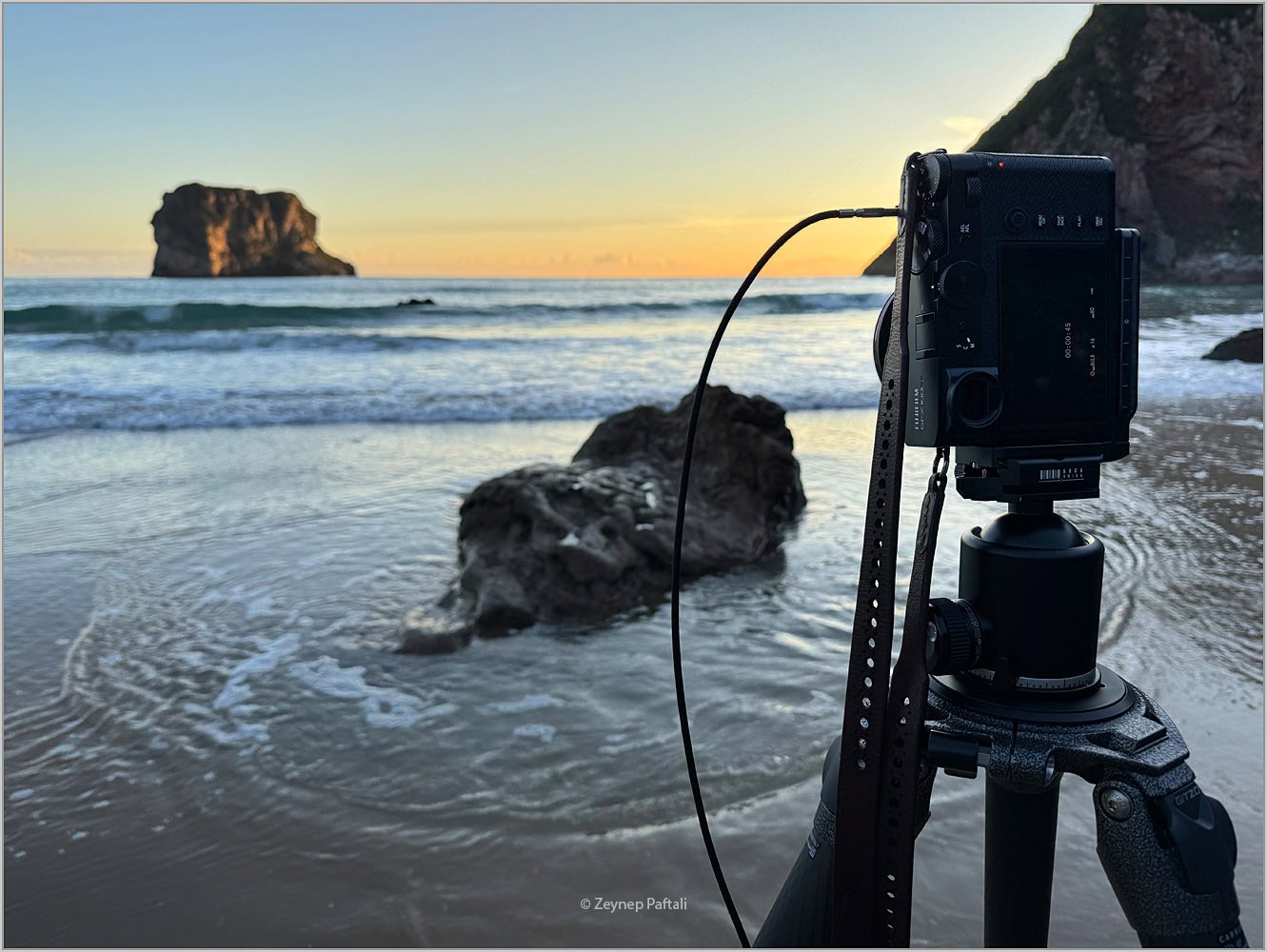
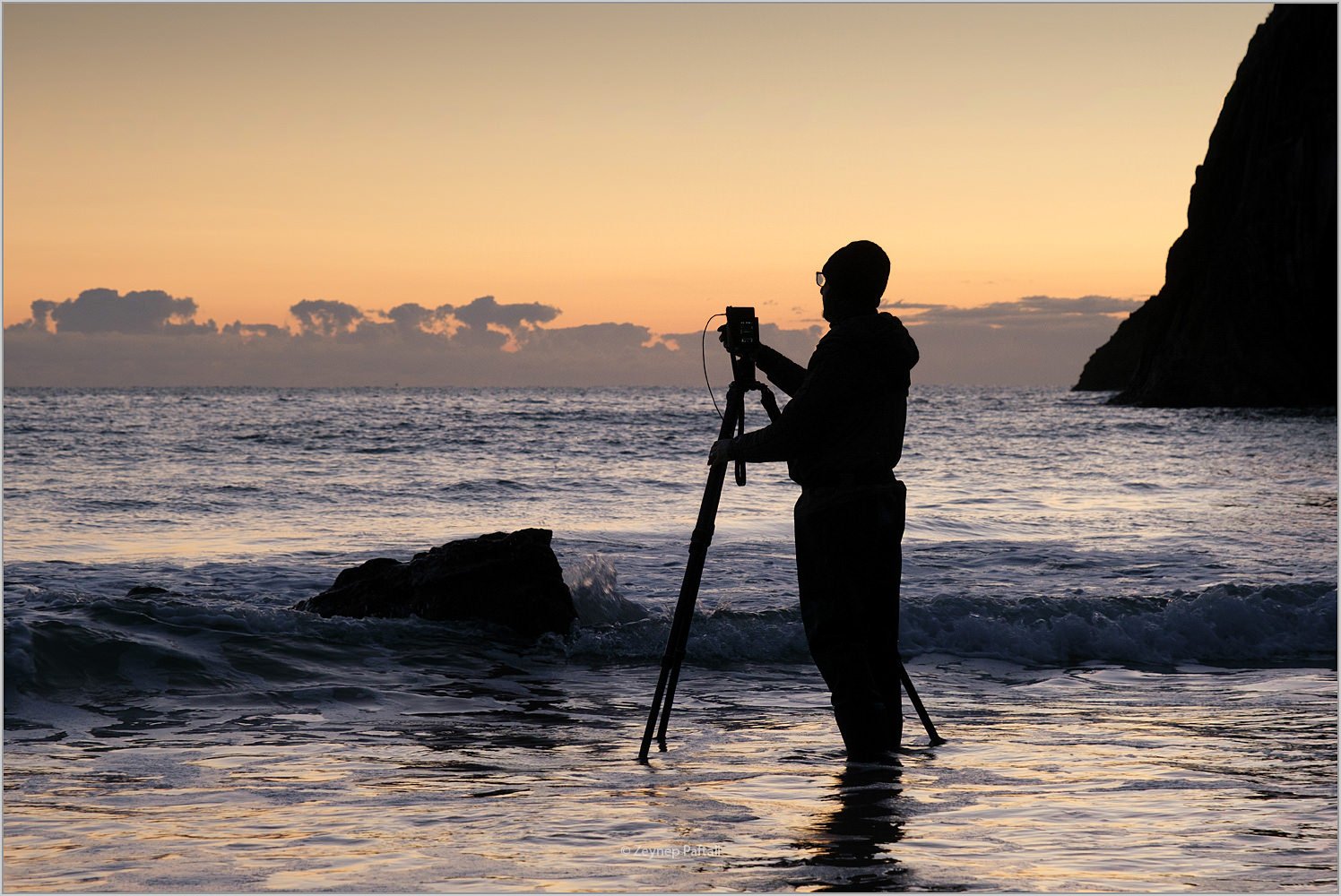
In practice, this meant setting the camera on the tripod, composing, focusing, taking one reference shot at the metered exposure (adjusting exposure if necessary), then adding whatever filters I thought the scene would benefit from and taking a couple more shots.
To focus and compose, I normally favoured using the viewfinder, but I really enjoyed having a tilting up screen for compositions in settings that made using the viewfinder tricky, such as with the camera very low, very high, and so on.

To take my reference shot, I set the camera to Aperture mode, which to me is the mode that best makes sense for the kind of work I do. As far as aperture, checking my EXIF confirmed me that I used the camera pretty much between f/8 and f/16, with an overwhelming majority of shots taken at f/11.
Once the reference shot was good, I decided the exposure I needed to represent the scene the way I wanted, added filters as required (ND, polarizer, sometimes colour filters), and switched to either B more (with a cable release) or to T mode to take my final photograph.
WORKFLOW IN POST-PROCESSING | To process my Fujifilm GFX100RF files, as I always do when I work with a digital camera, I first copied them into a folder on my computer; opened that folder in Adobe Bridge, which I set to honour camera profiles to see my files in black & white; did a first pass to cull through all the photographs I took; after a day or two, I did a second pass, culled down some more and processed the remaining images with Adobe Camera RAW and Photoshop.
MY IMPRESSIONS: THE GOOD | Overall, working with the Fujifilm GFX100RF has been an absolute joy! The camera is incredibly small, light and portable for a medium format camera; I am not sure what optical wizardries Fujifilm lens designers used to make it so small, but the result is nothing short of astounding.
The Fujifilm GFX100RF’s manual-oriented controls are extremely well placed, responsive and easy to use; I appreciate that this might be down to personal preferences, but for me as someone who started photographing in the 1980s working with a camera with photography-oriented, perfectly laid down manual controls has been refreshing.
Last but not least, the image quality the Fujifilm GFX100RF outputs is simply wonderful. I mostly shot long exposures, and I made the choice of turning Long Exposure Noise Reduction off to see what the sensor is natively capable of. The results were very good, albeit the files sported a few white pixels at exposures over 2 minutes; these were easy to spot and remove with Camera RAW and definitely not a deal breaker, and if you want to avoid them you can easily do so by turning LENR back on.
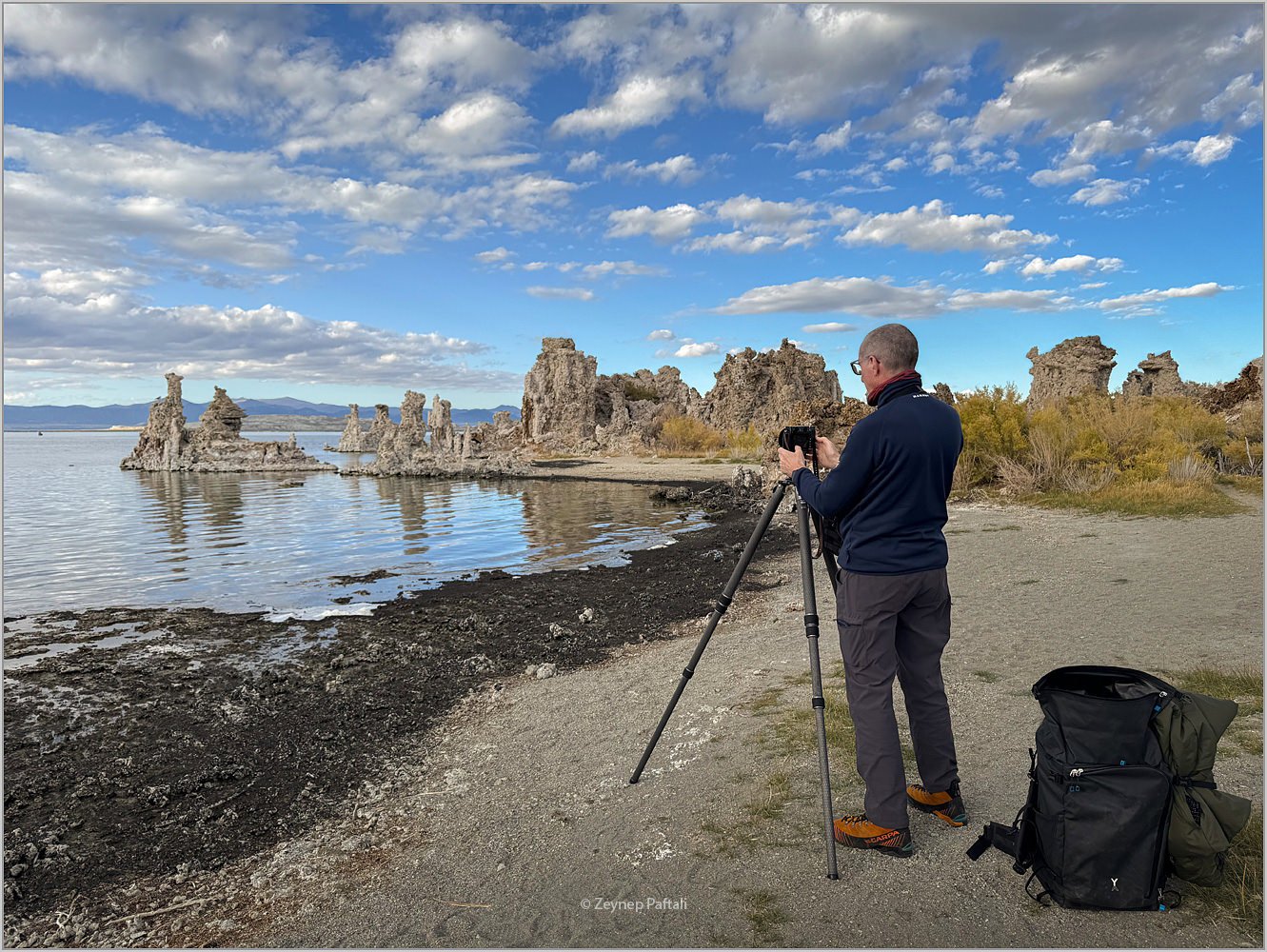
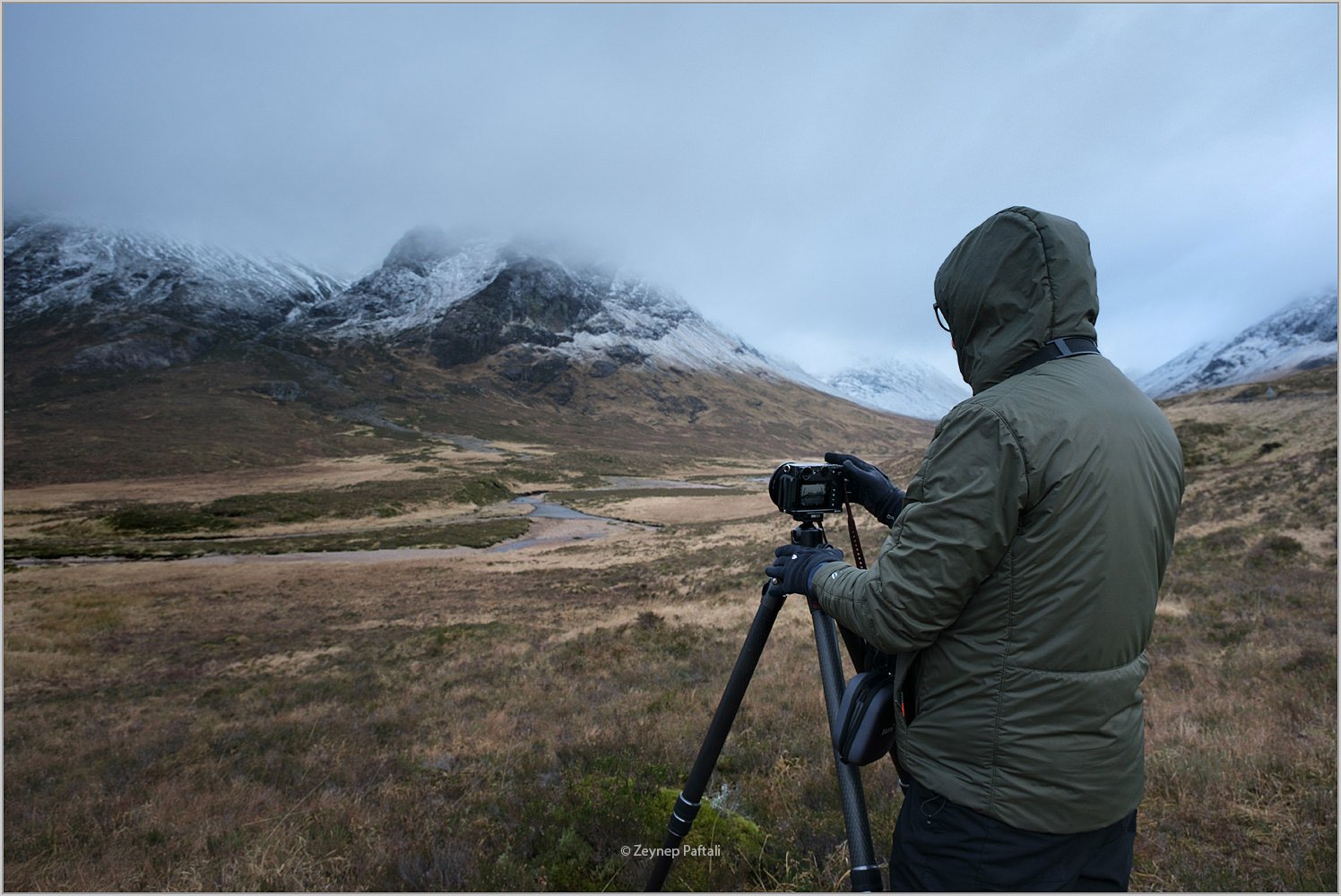
The GFX100RF’s viewfinder is clear, the built-in dioptre great to have and the tilting screen a lifesaver when you work with your tripod set up in unfavourable positions. Battery life was very good (but then again, I shoot very little in a session, so your results might be different here), and although I tried not to leave it out in torrential rain, the camera behaved perfectly in all sorts of weather and temperatures.
One of the Fujifilm GFX100RF defining features is its ability to change image ratio at the flick of a finger, via a physical dial on the camera’s body. As mentioned in my FINE ART LANDSCAPE & GFX100RF: A FIRST LOOK article, at first I thought it to be some sort of a gimmicky feature; in use, however, I truly loved having the option to preview different image ratios and select the one I thought it would best for the final photograph. I ended up using the feature a lot.

MY IMPRESSIONS: THE BAD | The GFX100RF is such an amazing camera that it’s very difficult to find anything I didn’t like. Everything is so well thought out and executed, except for two things I found annoying, one very much so and one just mildly.
The first one, and the most annoying, is something the GFX100RF shares with all GFX cameras I have seen from the GFX50 on. It has to do with the GFX series’ long exposures management in T mode, so if you don’t use long exposures as much this might be less of a problem for you.
After so many years of GFX cameras, I still don’t understand why Fujifilm keeps denying us the ability to set exposure times other than at full stops when moving past 1 minute in T mode. It looks like Fuijfilm is really set on thinking that it’s enough to have 1, 2, 4, 8 minutes and so on; I strongly disagree with that.
For artistic and expressive reasons, we need to be able to set our exposure times at any duration we please. This is fundamental, especially as you progress into longer exposures. I find this limitation extremely annoying and I really wish they fixed this eventually.
There are two workarounds to this limitation. One is using B mode instead; this, however, requires you to have a way to remotely control your shutter, which is something not everyone wants to do.
The second is using T mode setting a longer time than what you need and stop the exposure mid-way. This requires two button presses, however, which might introduce vibrations. Again, not something everyone is happy to do.
The second thing I find mildly annoying is that to be able to use the image ratio dial, you need to set your Image Quality to RAW + Jpeg, otherwise the dial will turn, but to no effect. I normally shoot RAW only, and I’d rather not have to deal with all the Jpgs just to keep the image ratio dial working.
Since the resulting RAWs honour the crop tag, and since when setting image quality to “RAW only” the camera creates a Jpeg preview anyway, I don’t see why it couldn’t be possible to have the dial working in RAW only mode as well.
A WISHLIST FOR THE GFX100RF SERIES | The Fujifilm GFX100RF, for me, is the embodiment of a genius concept: a small, light, portable fixed lens medium format camera. I loved it and most definitely wish for it not to be the first and last of its kind.
My first two wishes concern the current Fujifilm GFX100RF and are, obviously, that Fujifilm decided to fix in software the two annoying limitations I mentioned above. That should not prove to be impossible, if only they decided to do so.
The next wish I have concerns the future of the GFX100RF line and is obviously mainly directed at the kind of work I do – landscape photography. The concept is so great that I would absolutely love to see a GFX100RFW (W for wide of course) with a FOV equivalent to that of a 16mm in so-called full frame terms, and a GF100RFS (S for standard) with a FOV equivalent of 50mm. If I can push my luck, it would be fantastic to also have a GFX100RFT (T, you guessed it, for tele) with a FOV equivalent lens of 90mm.

This would allow a landscape photographer willing to travel extra light to carry a kit of 2 to 4 GFX100RF cameras covering all that we need. Of course, all the above versions of the GFX100RF would be wonderful for other kinds of photography as well: the 16mm (with digital zoom) would be great for street as well; the 50mm would be a universal shooter; the 90mm would be great for portrait photographers.
I can easily see a wedding photographer carrying the GFX100RF and the GFX100RFT; a street photographer with a combination of the GFX100RFW, GFX100RF and GFX100RFS, and so on. One can dream, after all!
GALLERIES | No article about any camera means much without sharing what counts the most, the photography, so here they are, divided by countries and/or geographic areas. Enjoy!
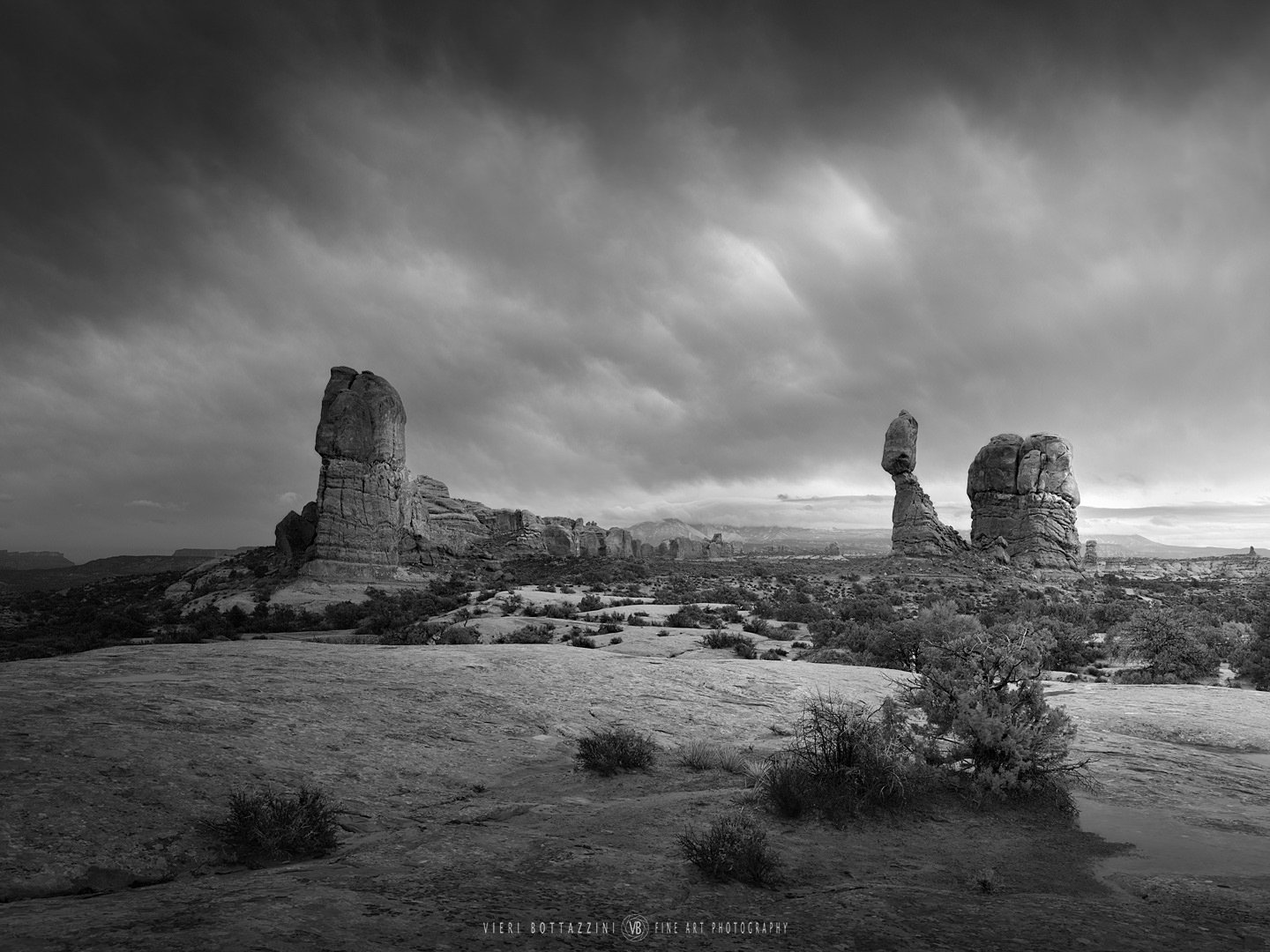
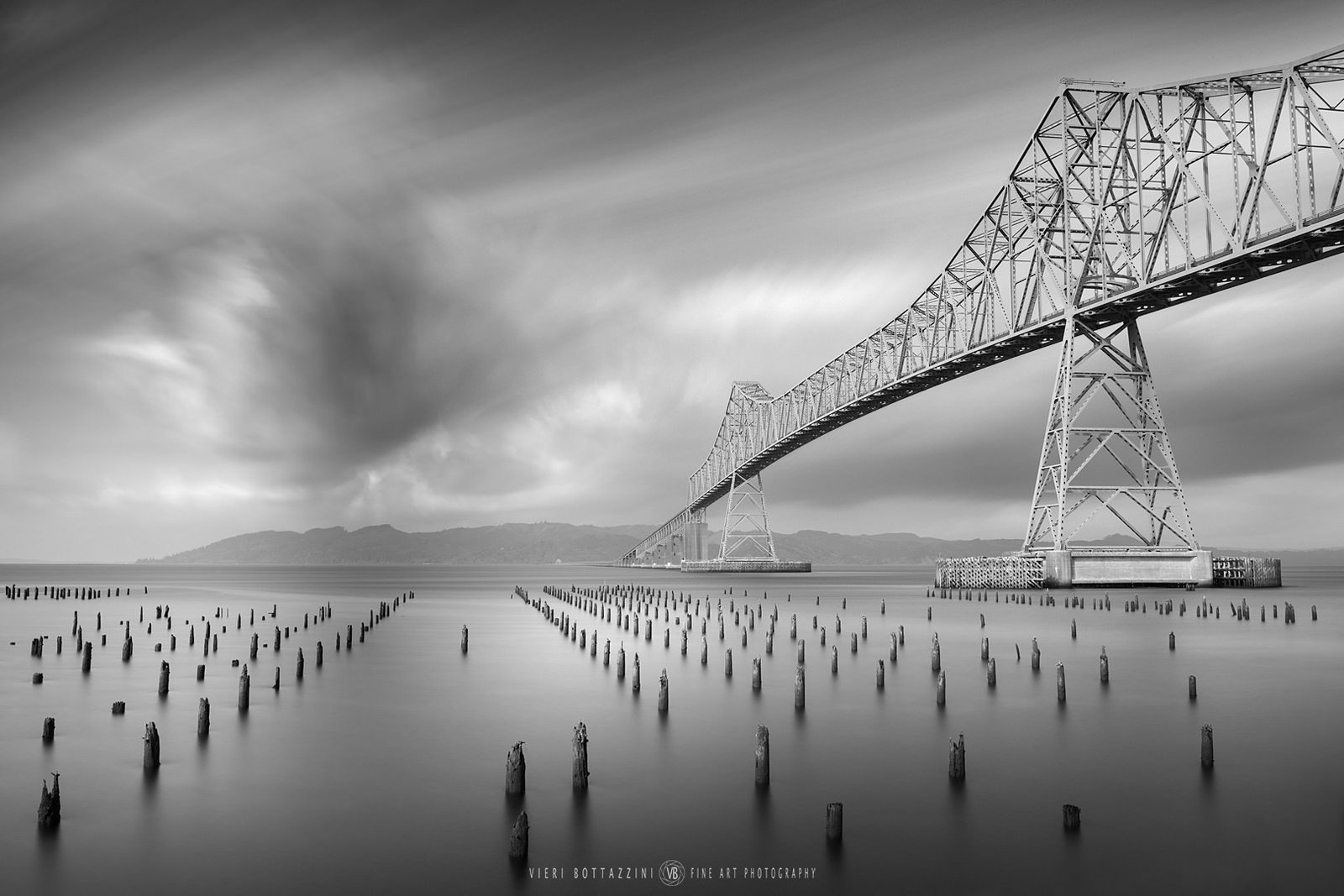
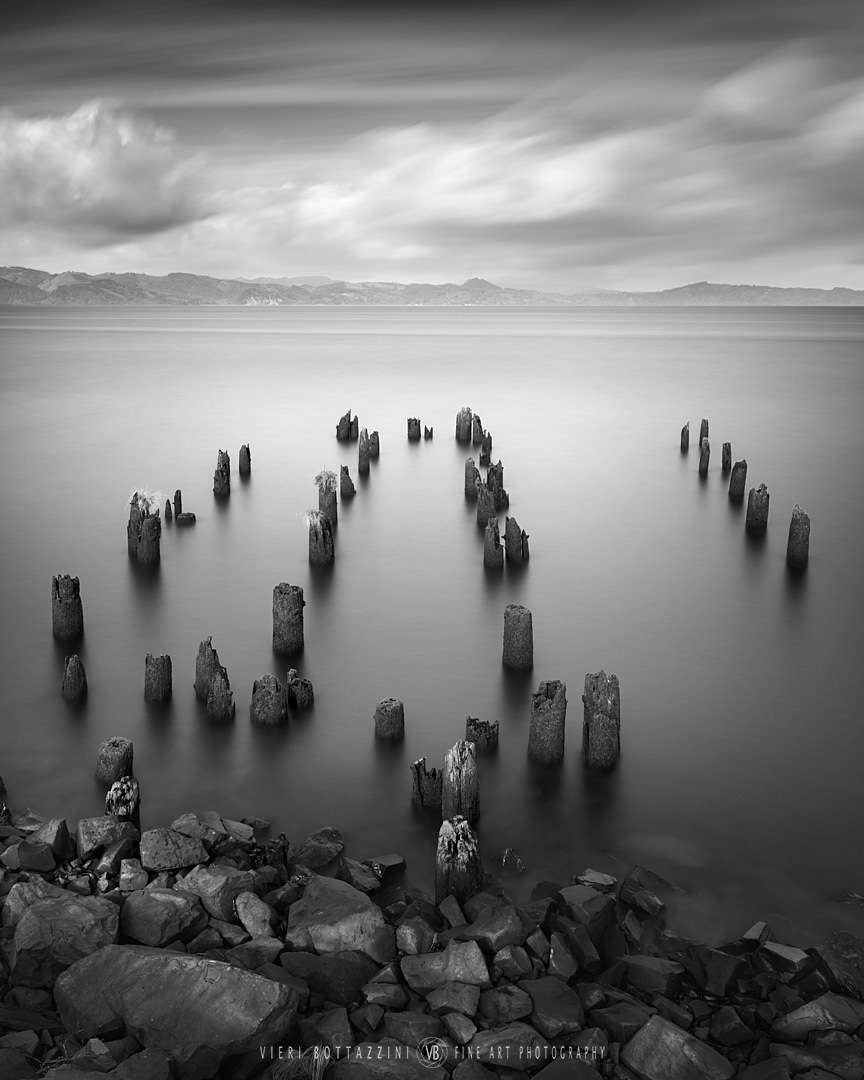
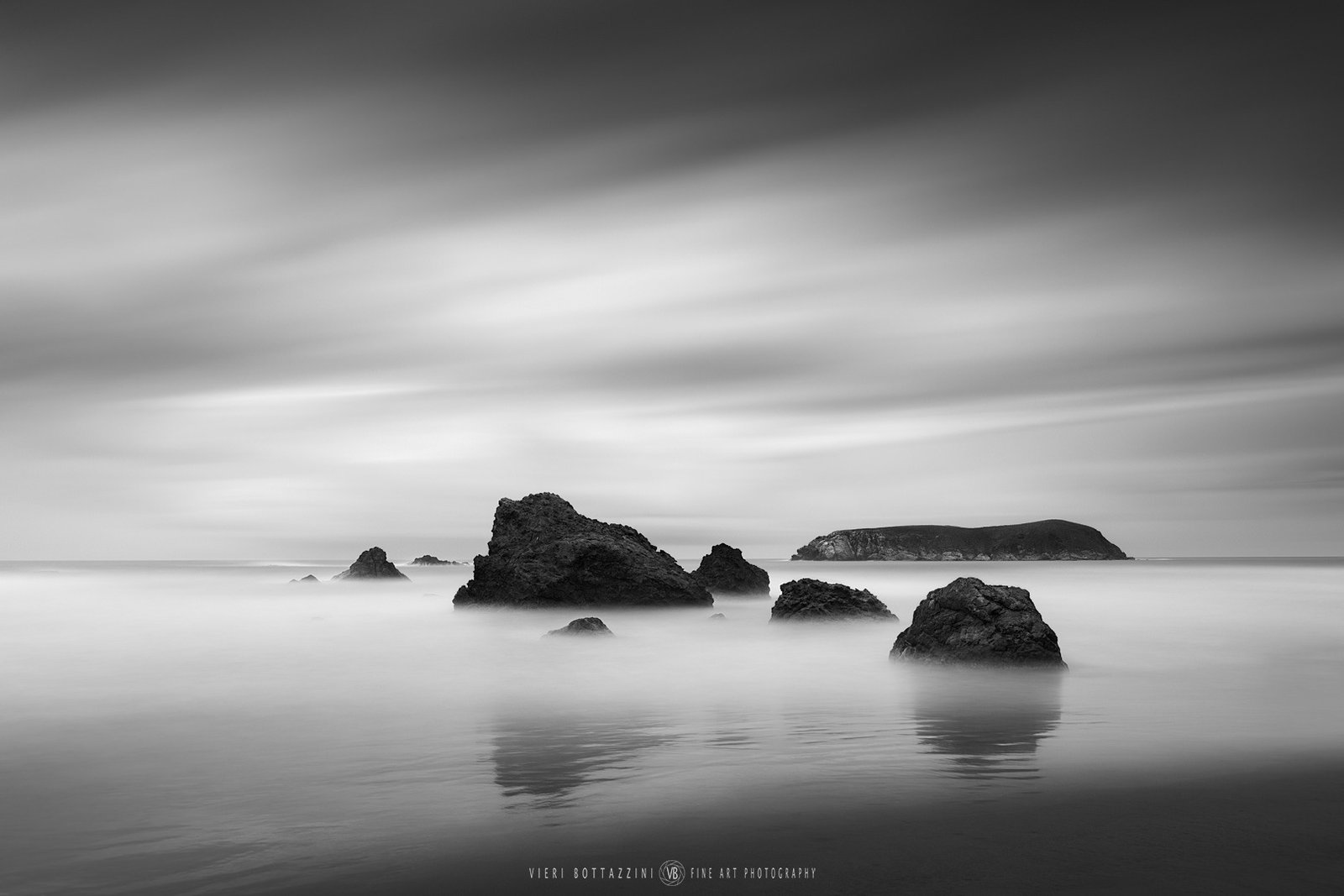
The USA. Below you’ll find a selection of GFX100RF photographs taken in California, Oregon, Arizona and Utah in October and November 2025:
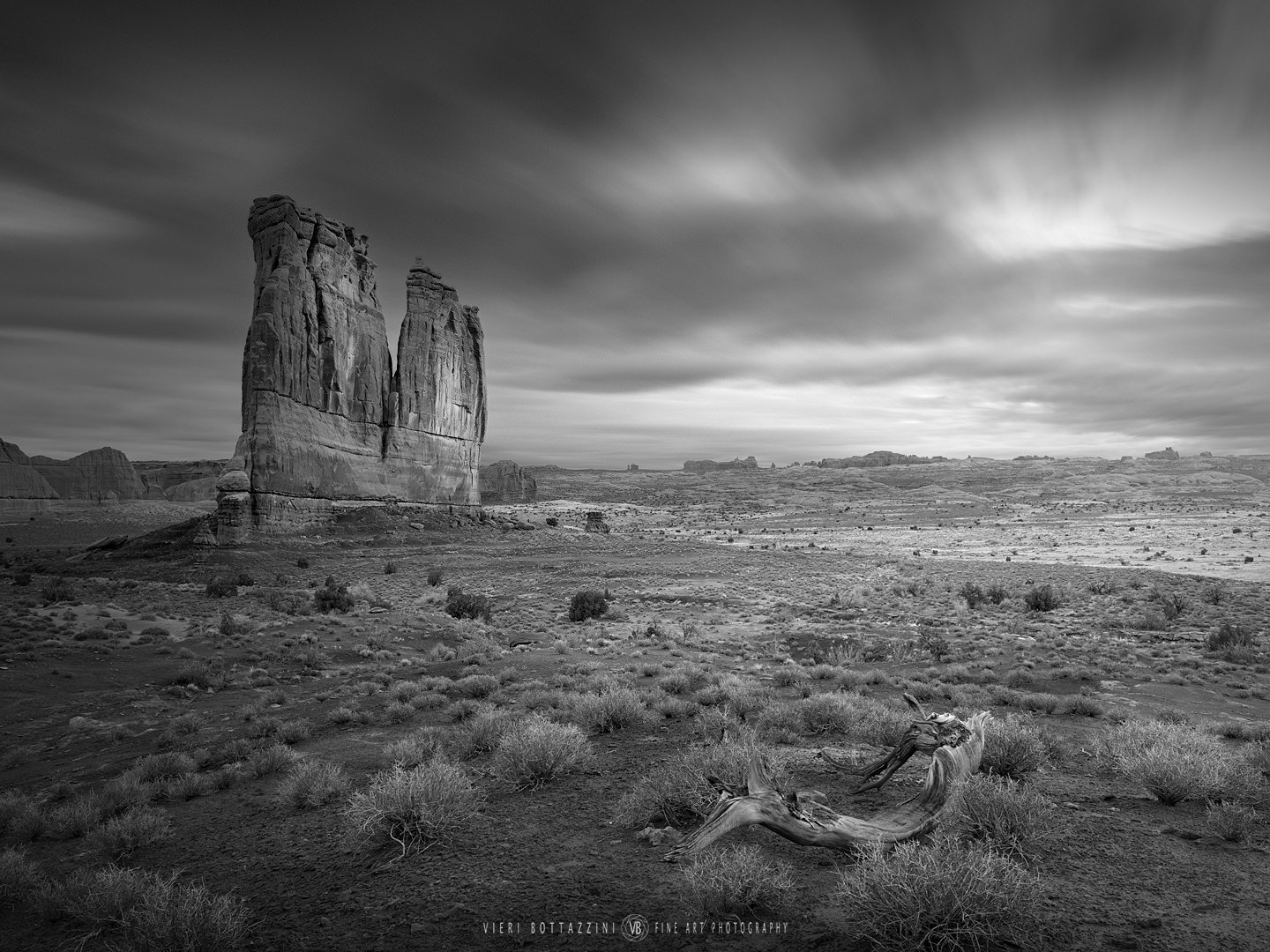
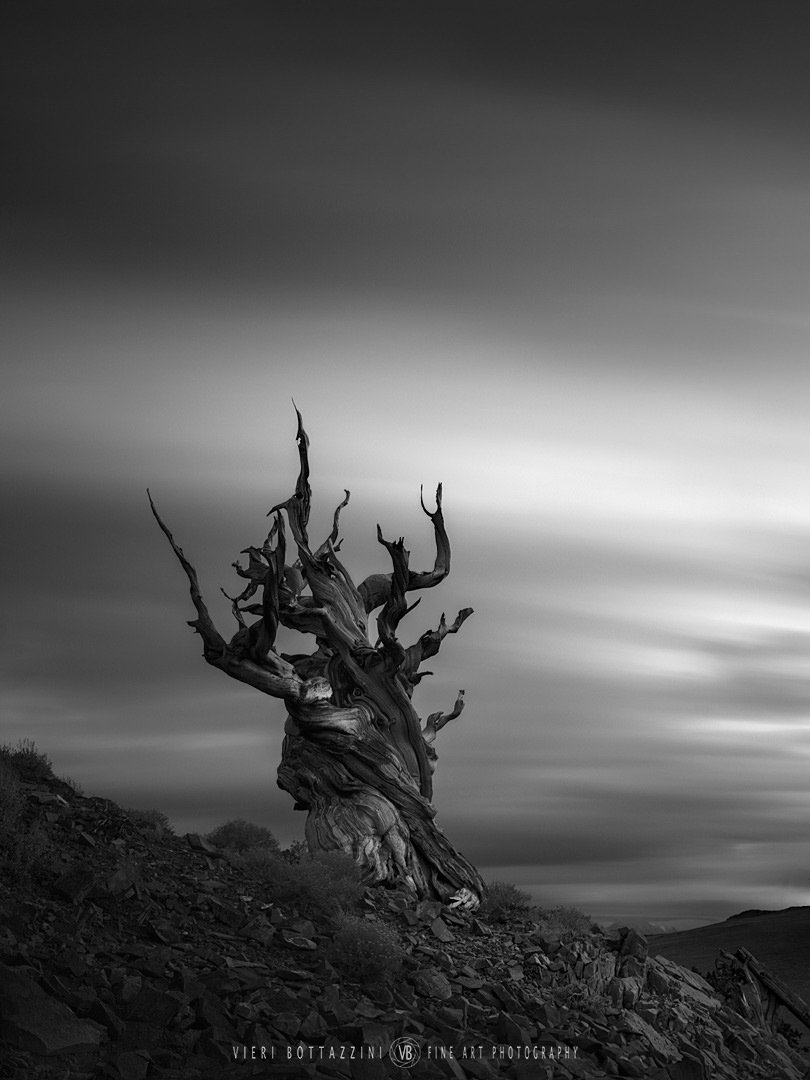
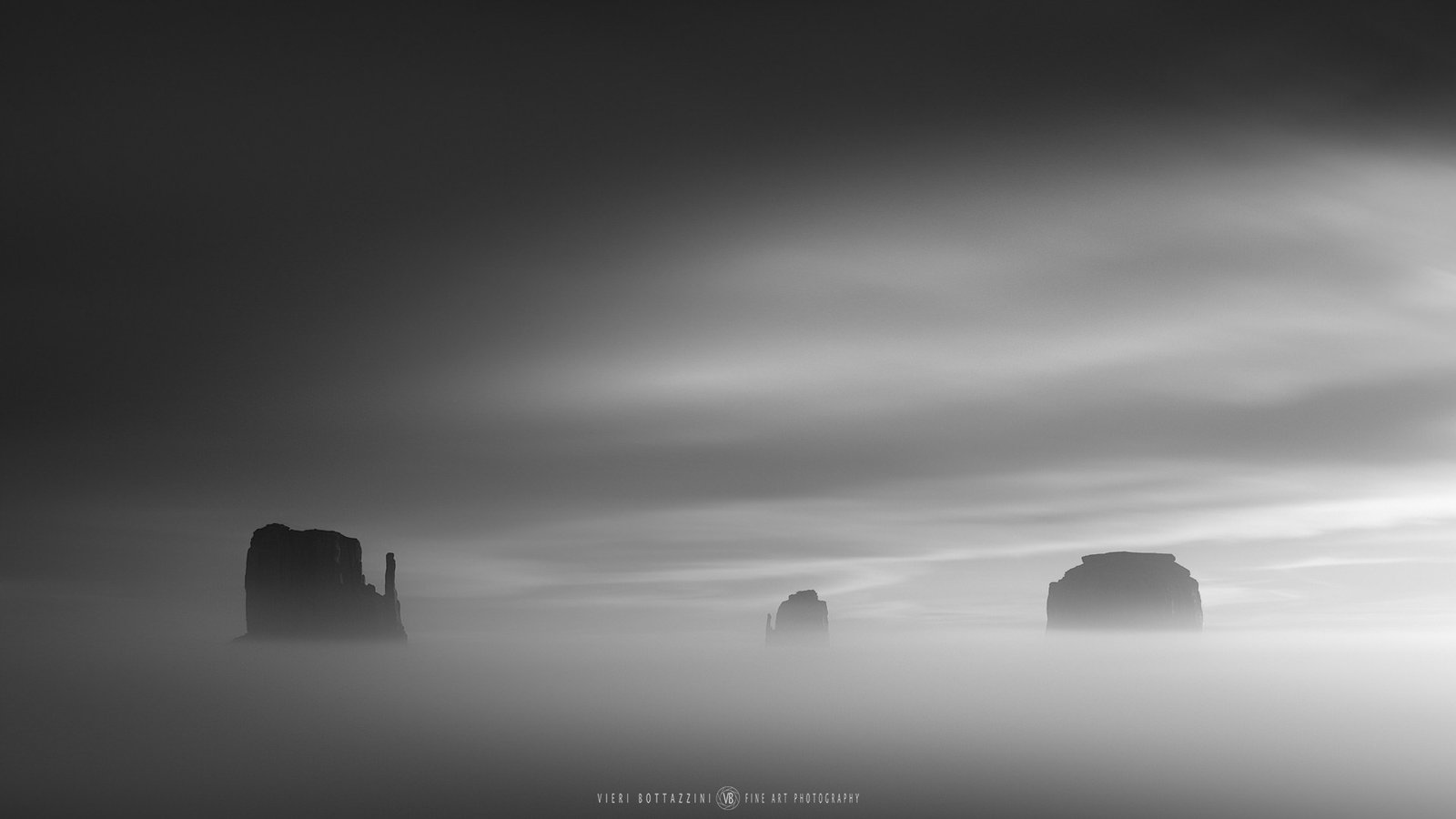
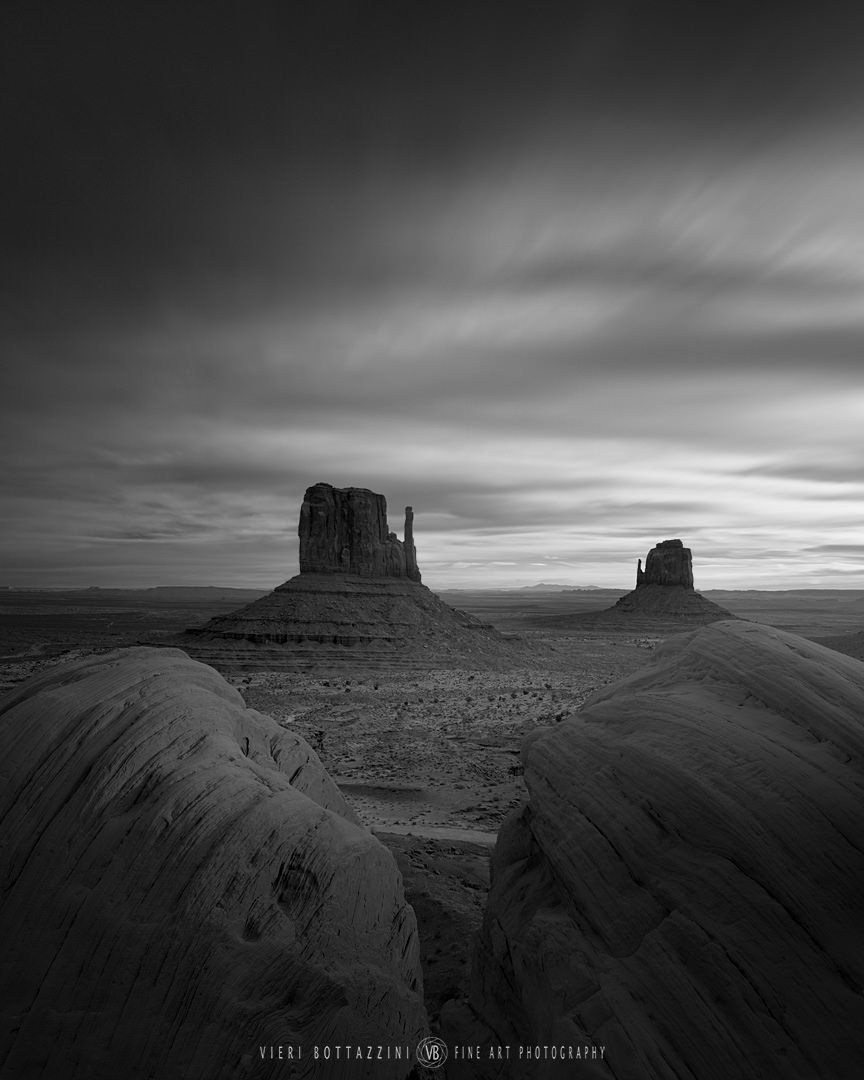
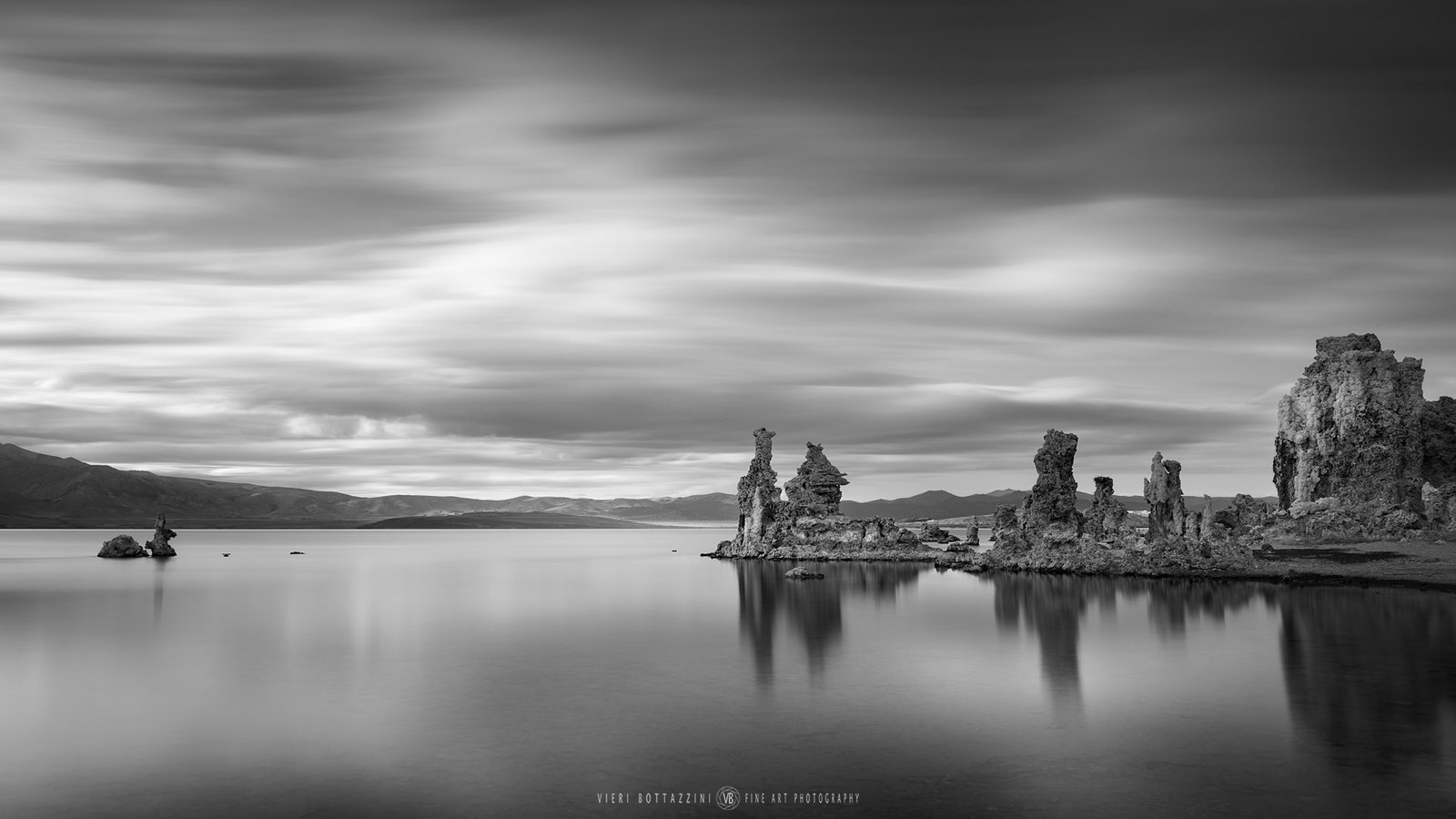
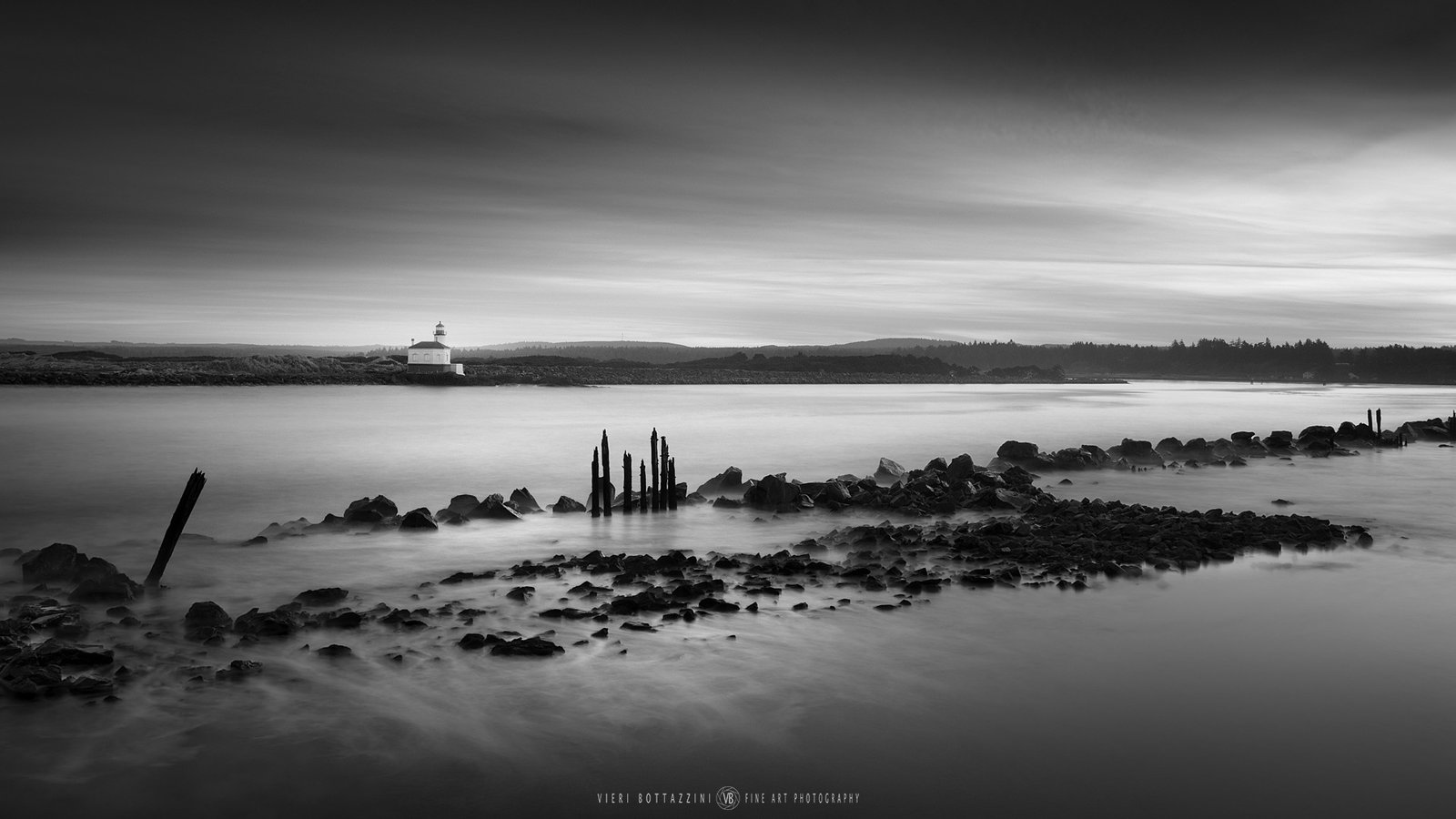
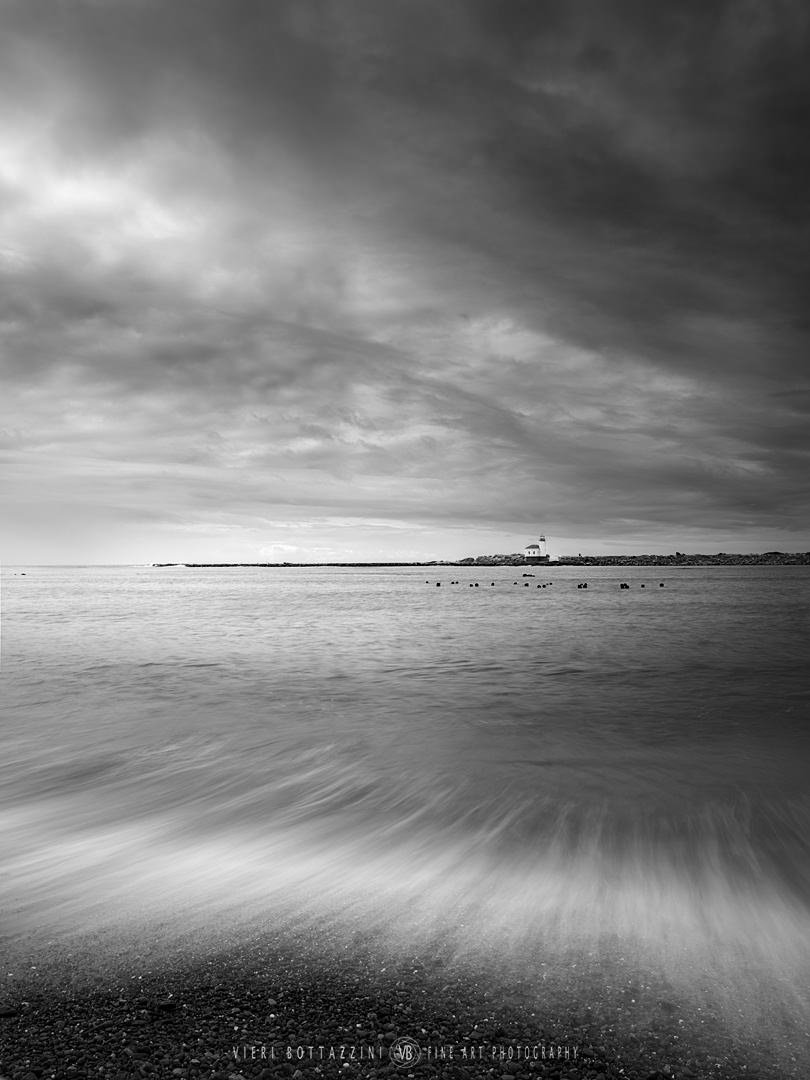
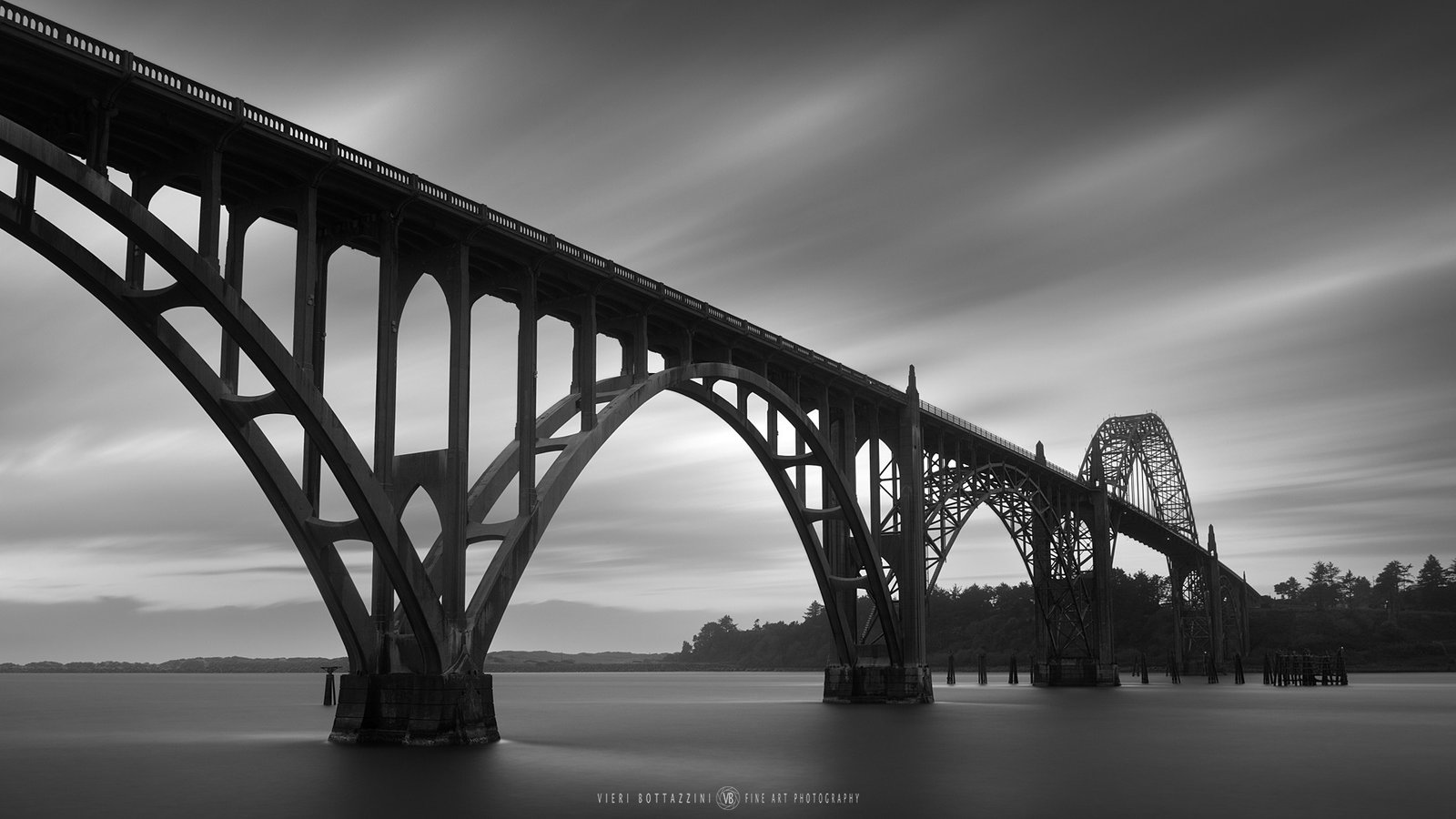
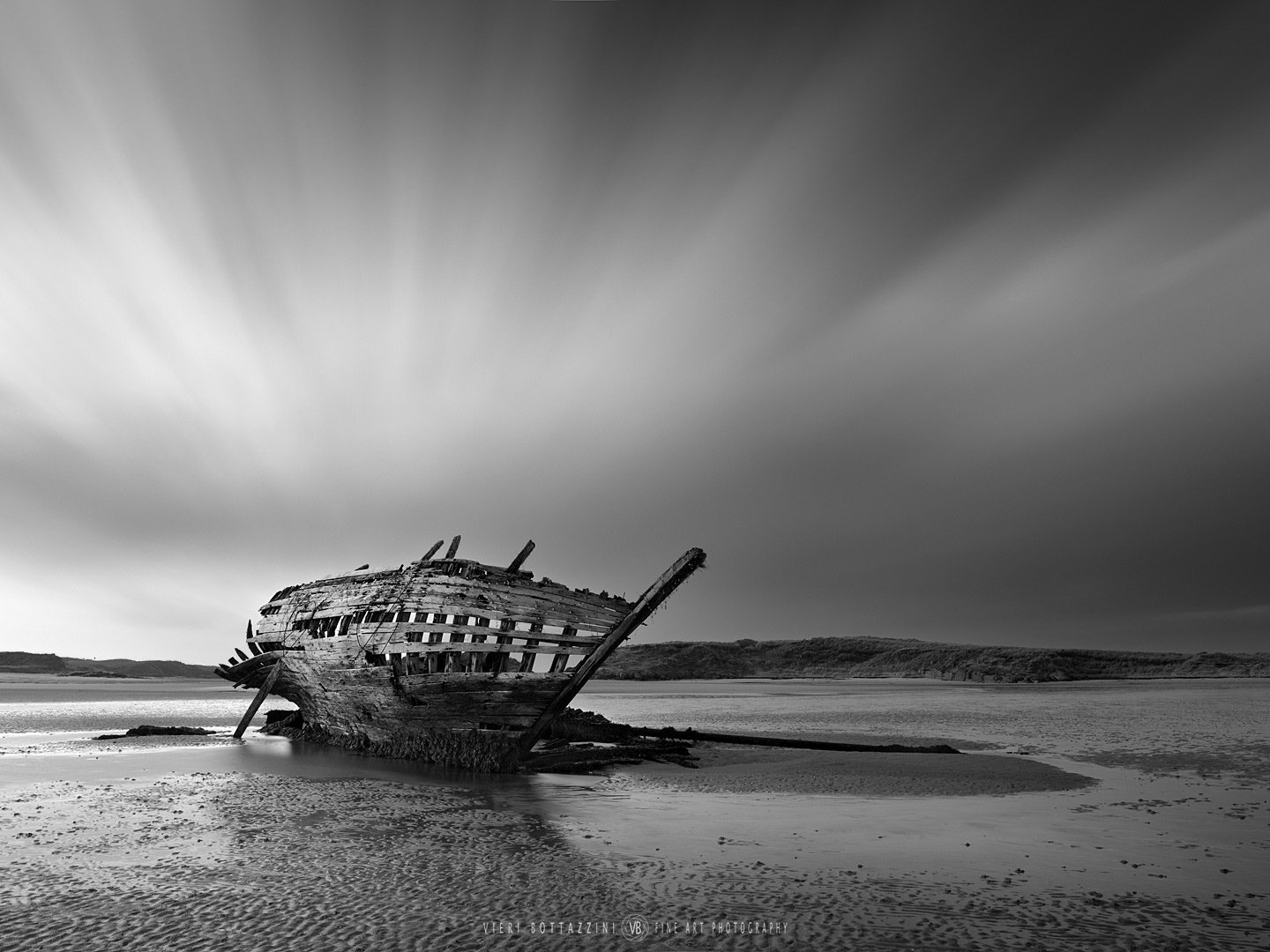
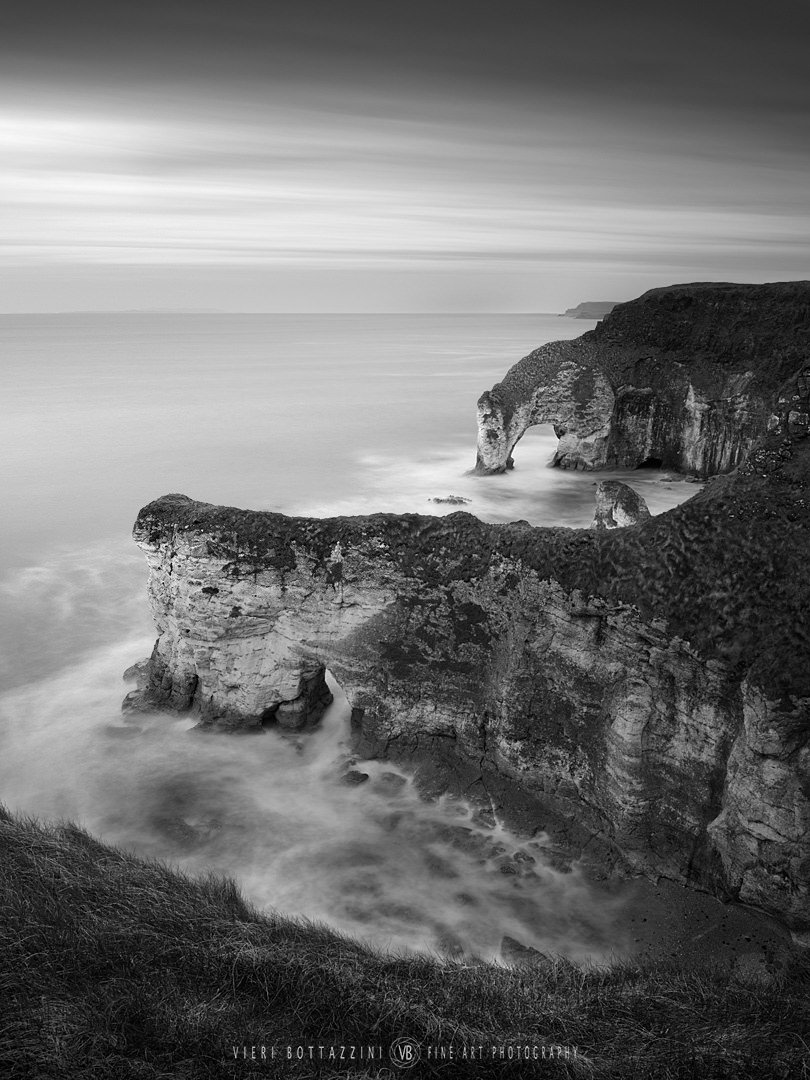
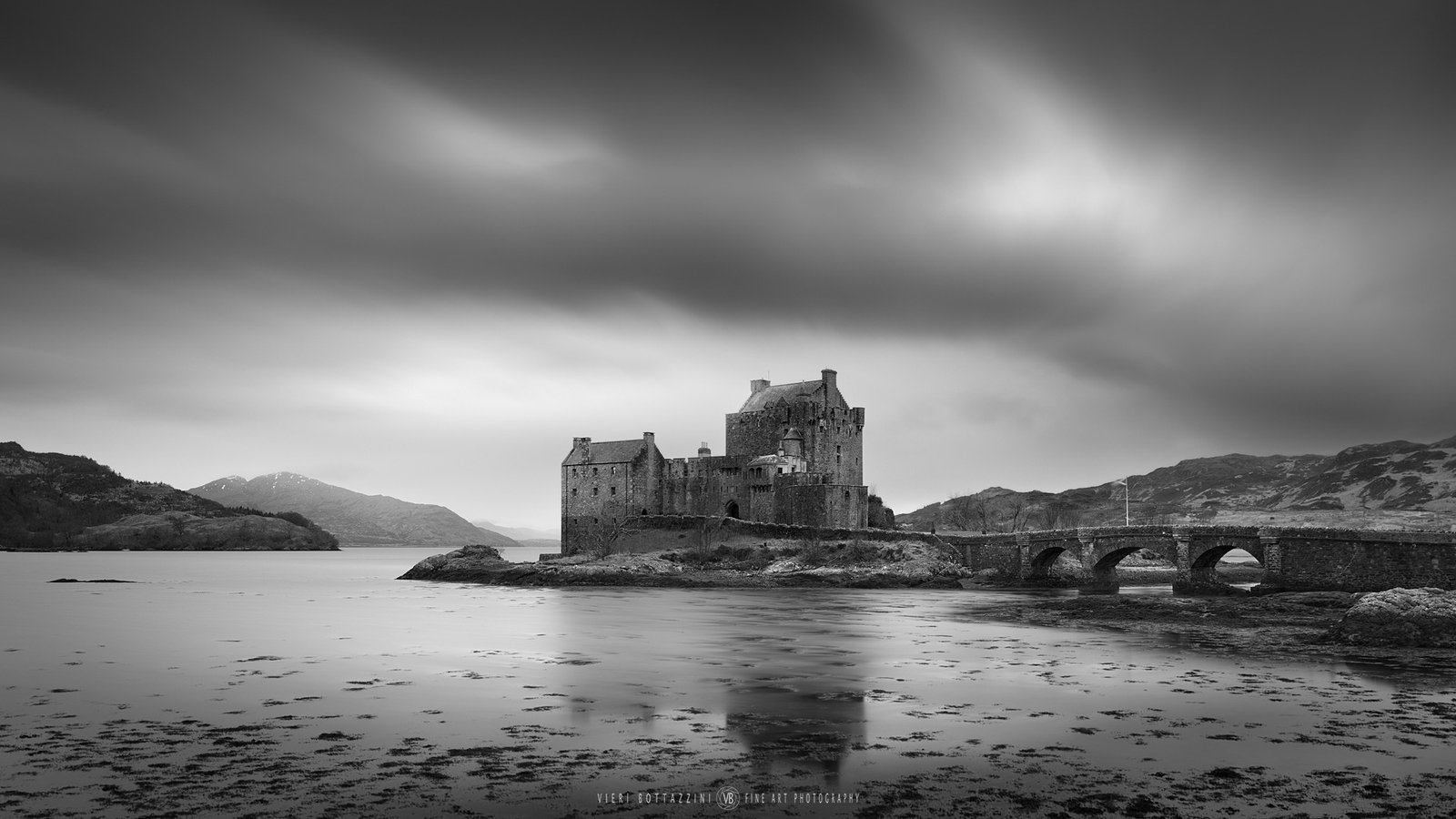
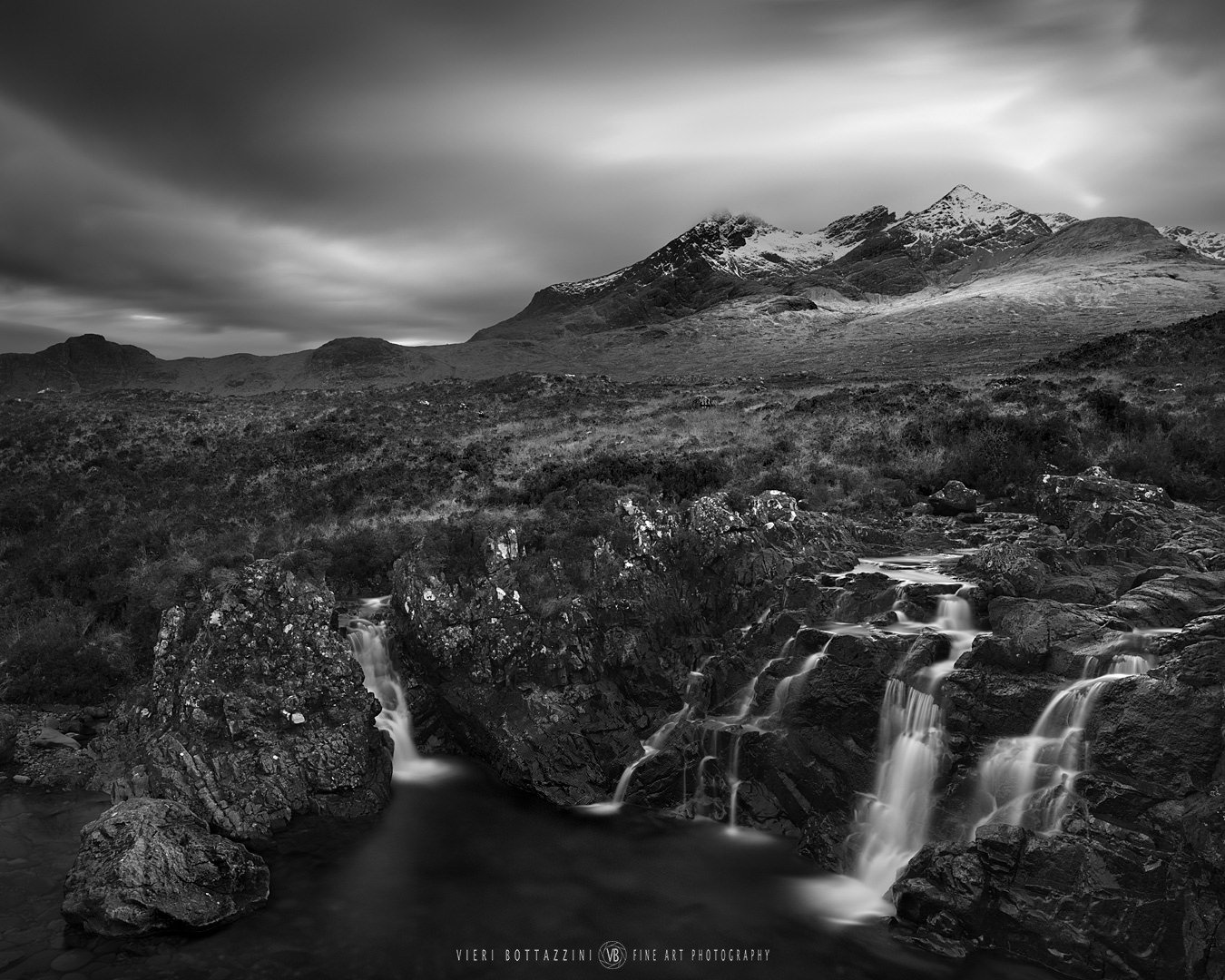
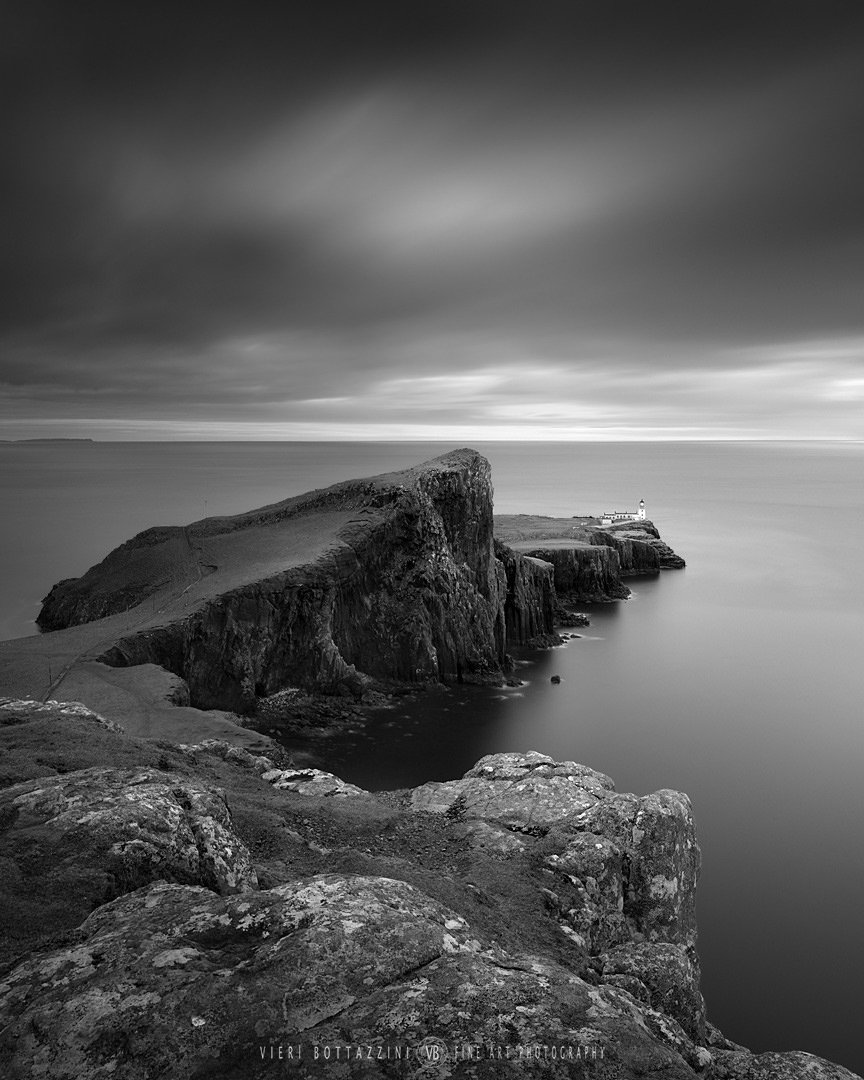
Ireland and Scotland. Below you’ll find a selection of photographs taken between December 2025 and February 2026 with the Fujifilm GFX100RF on the northern coast of Ireland (both on the Republic of Ireland and in Northern Ireland), and in Scotland on the Isle of Skye:
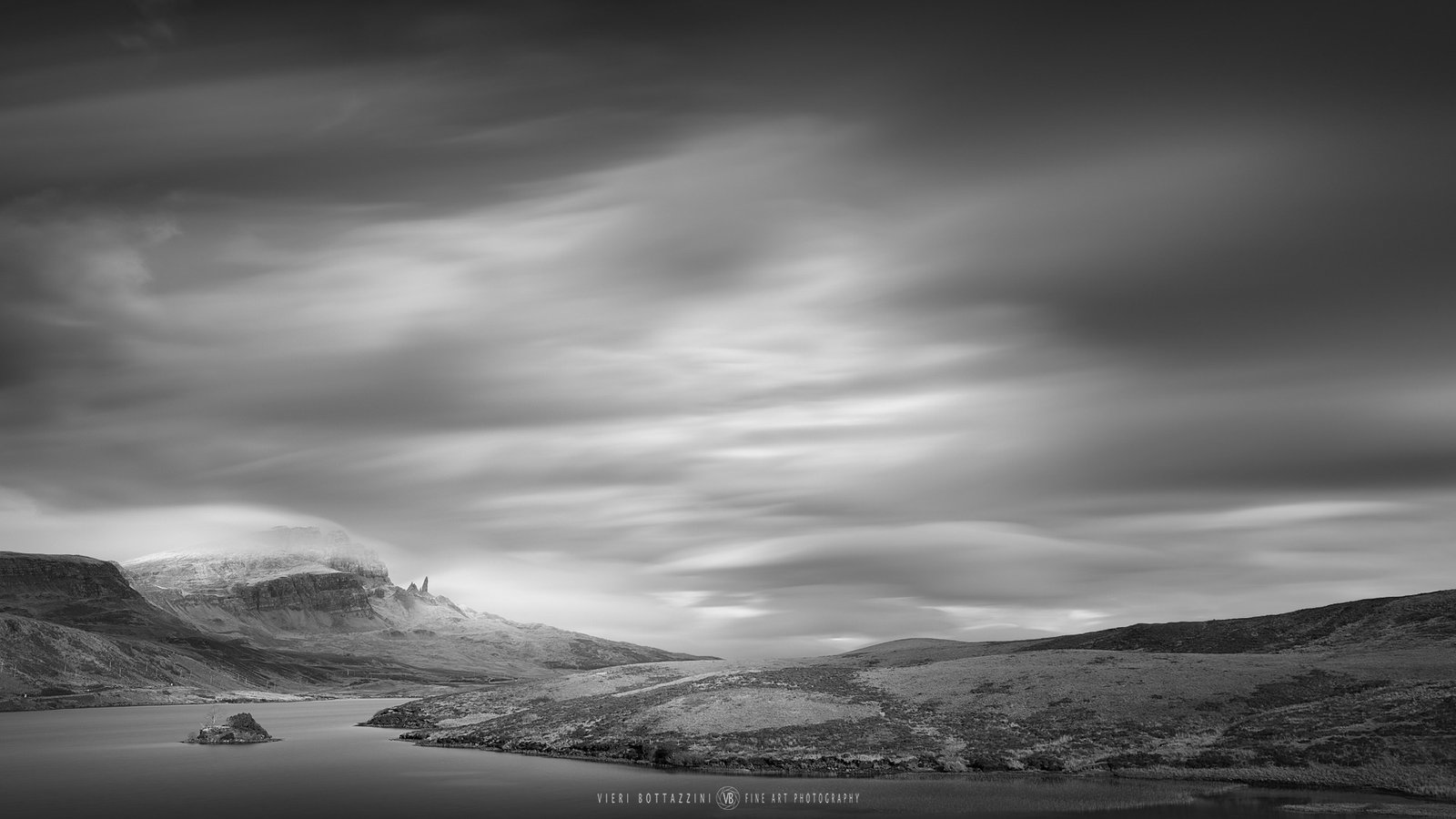
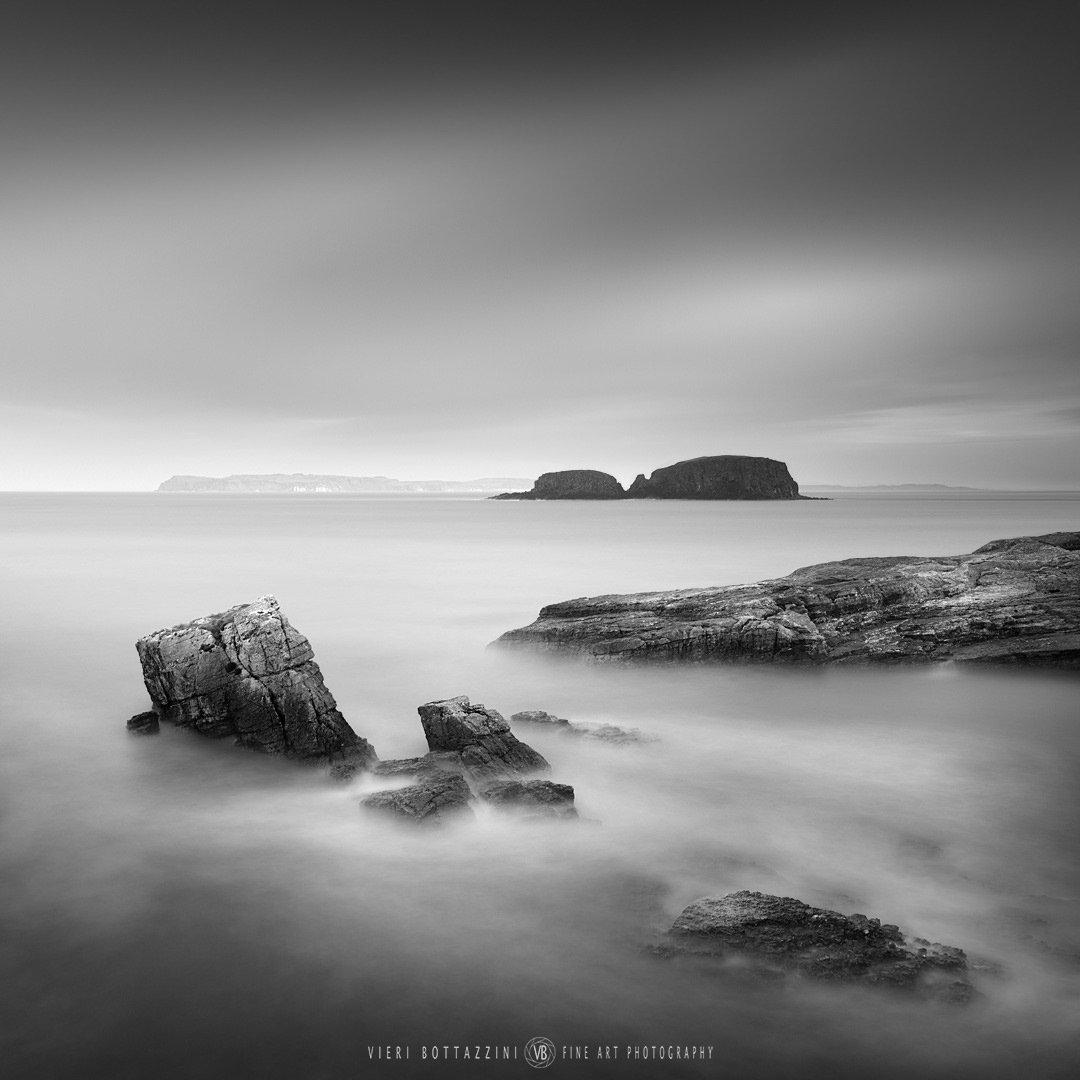
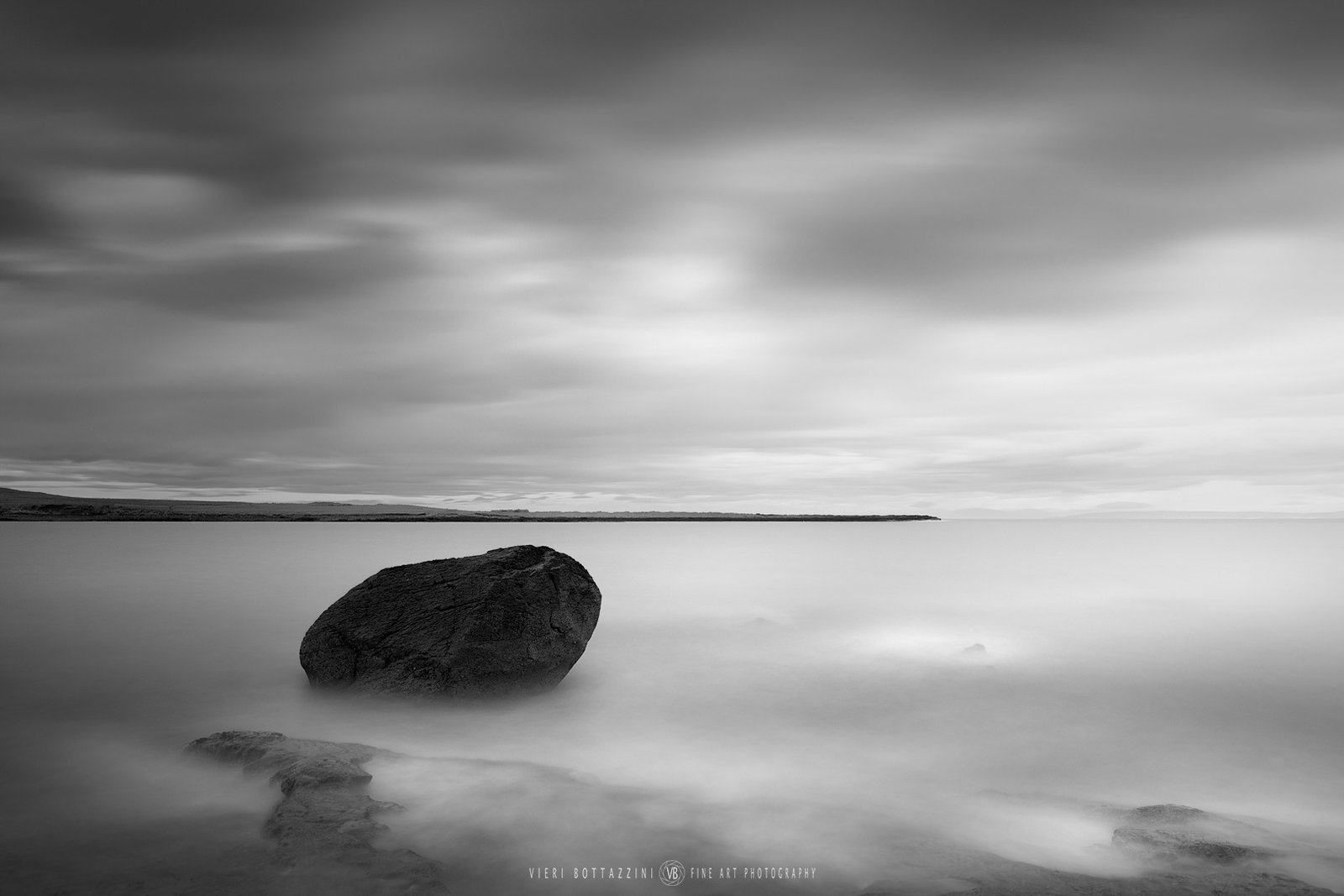
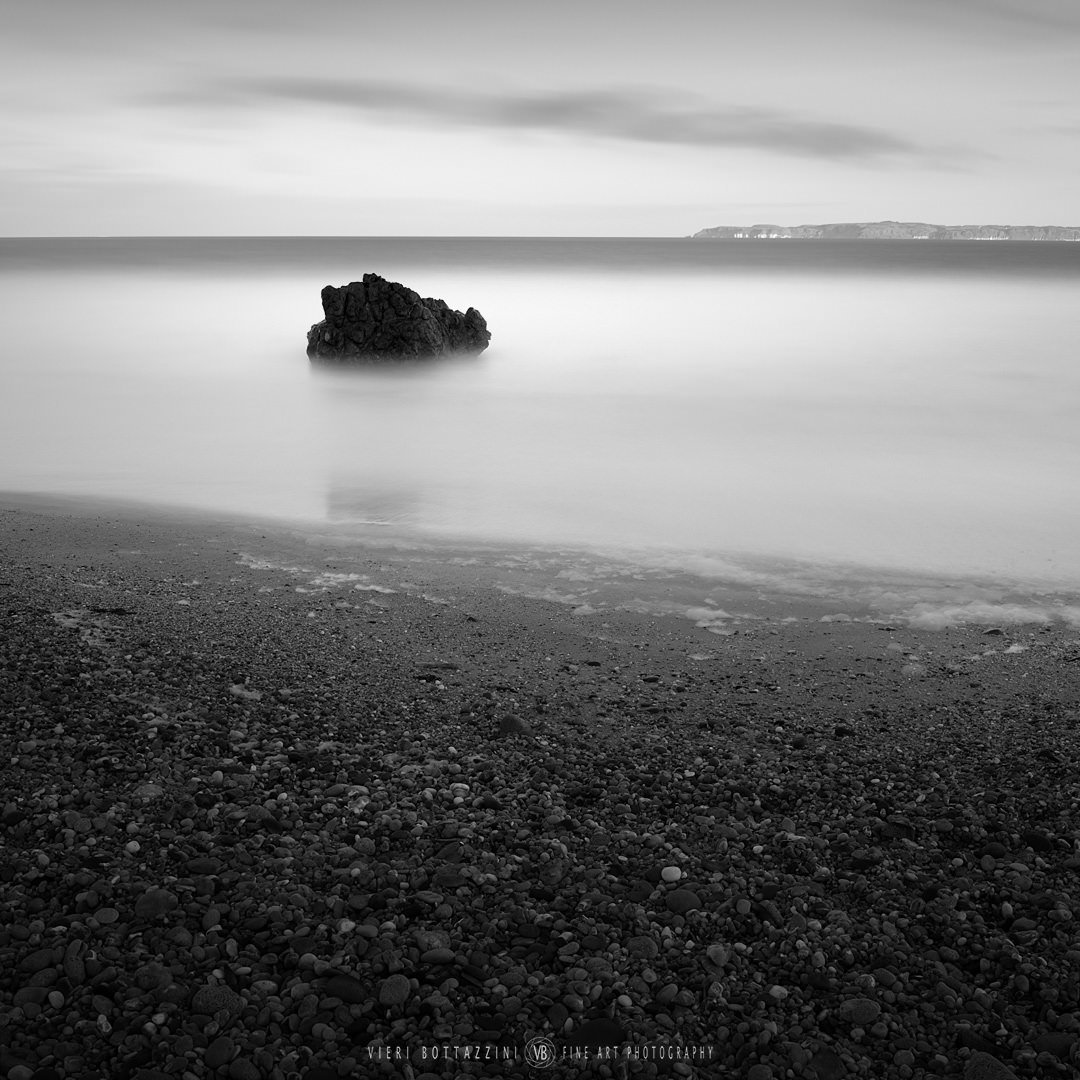
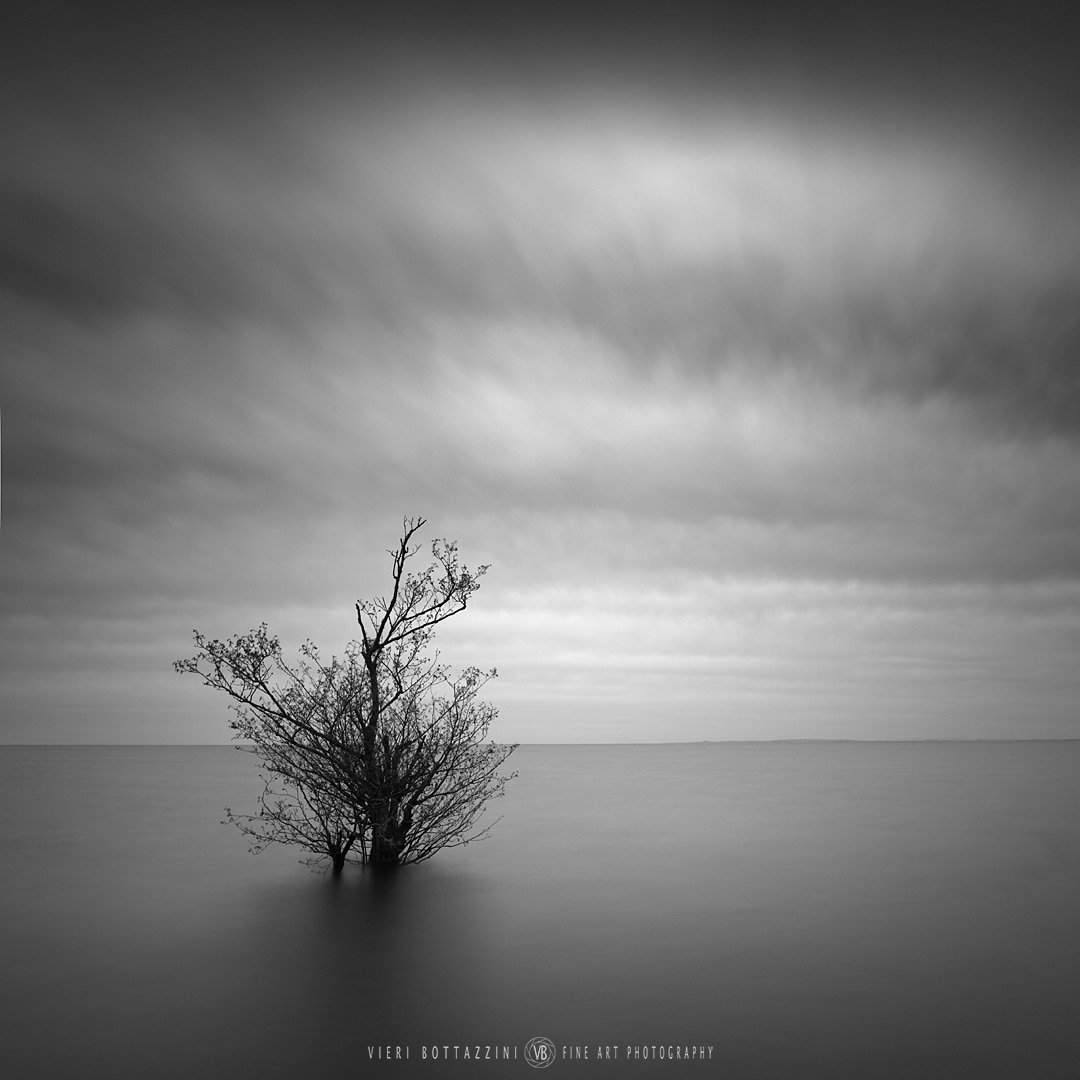
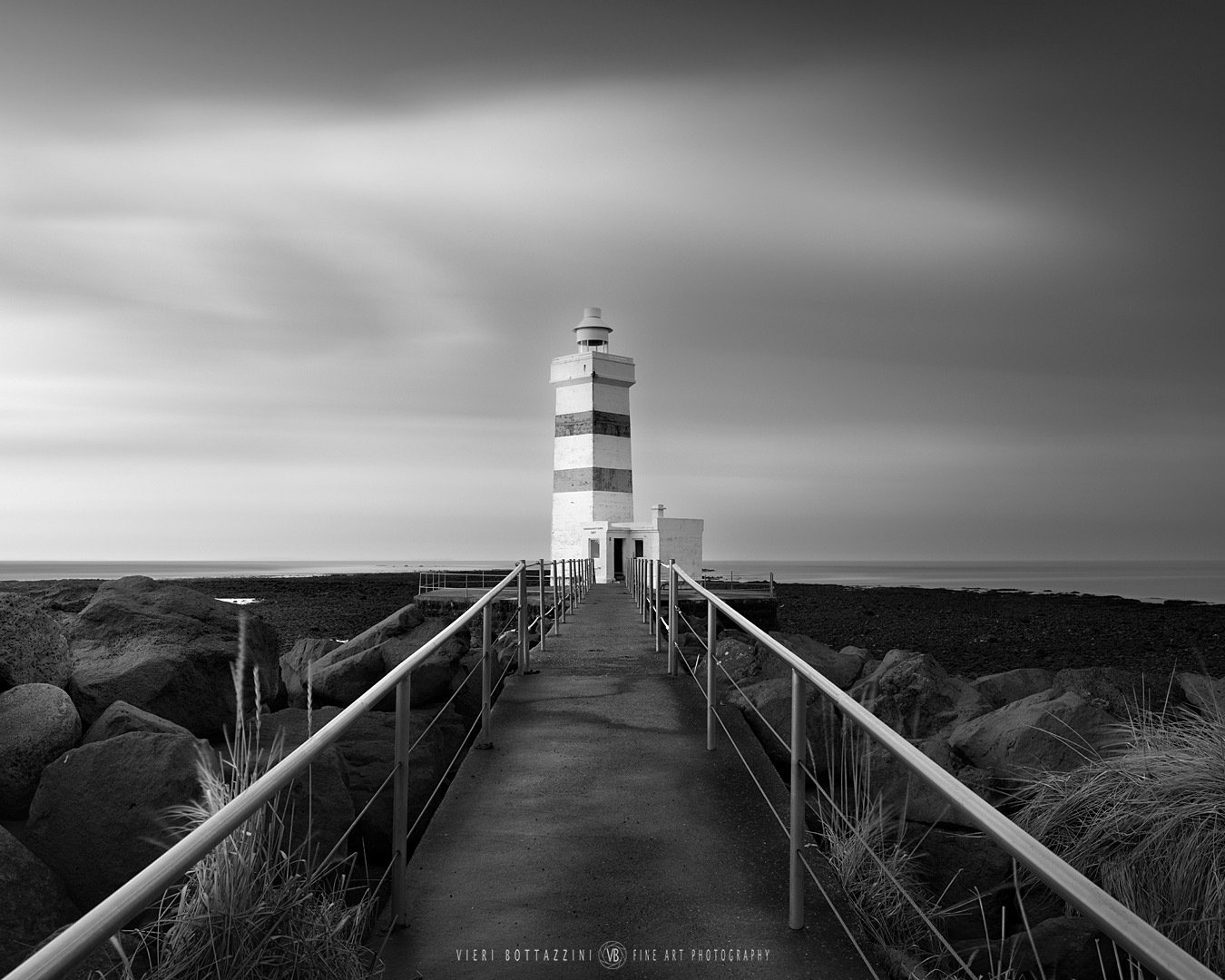
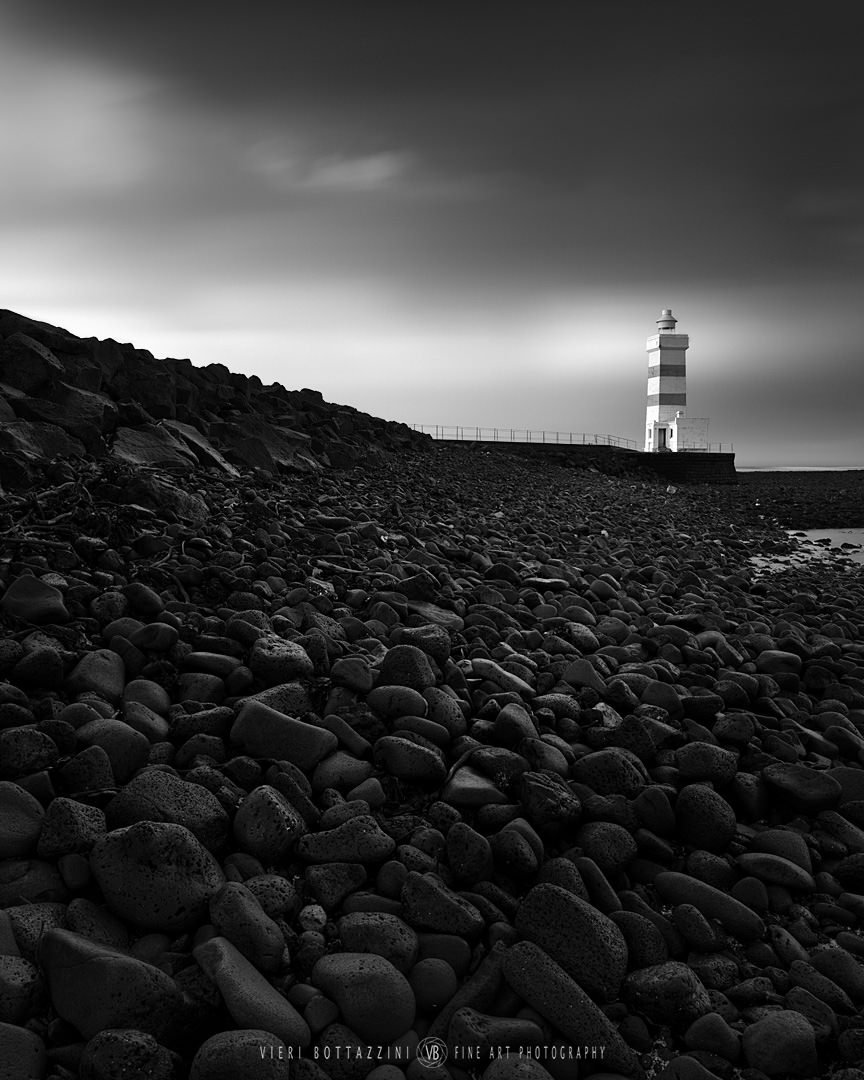
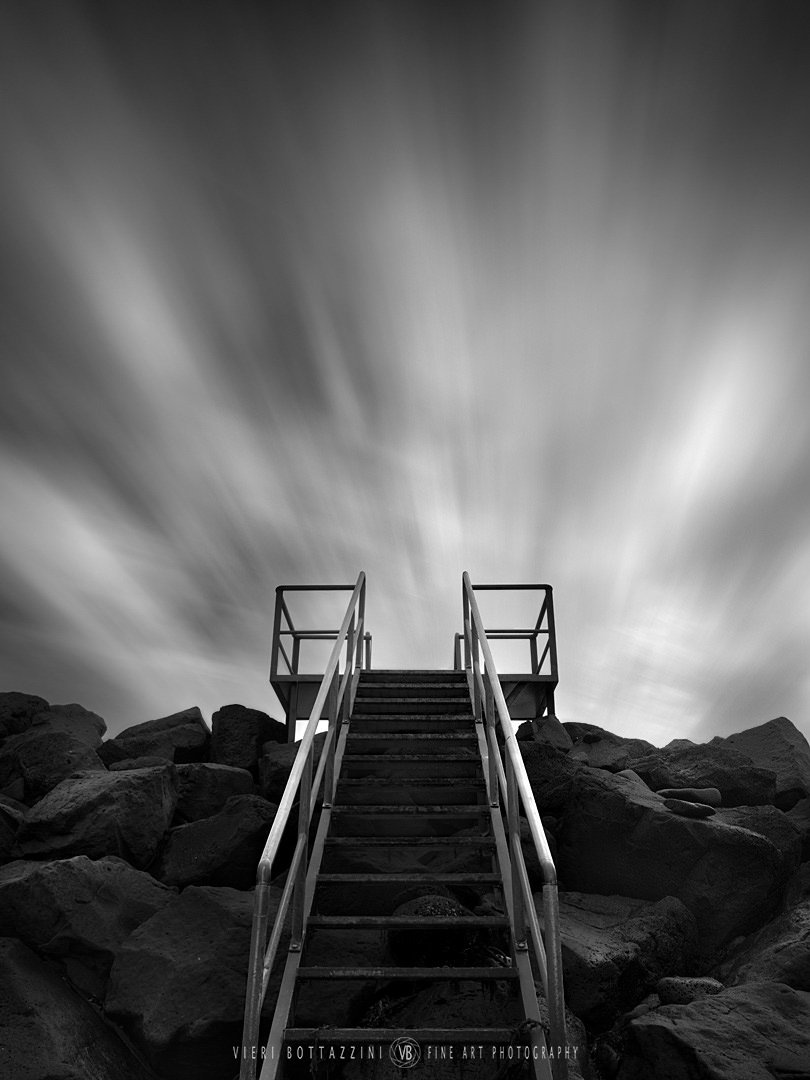
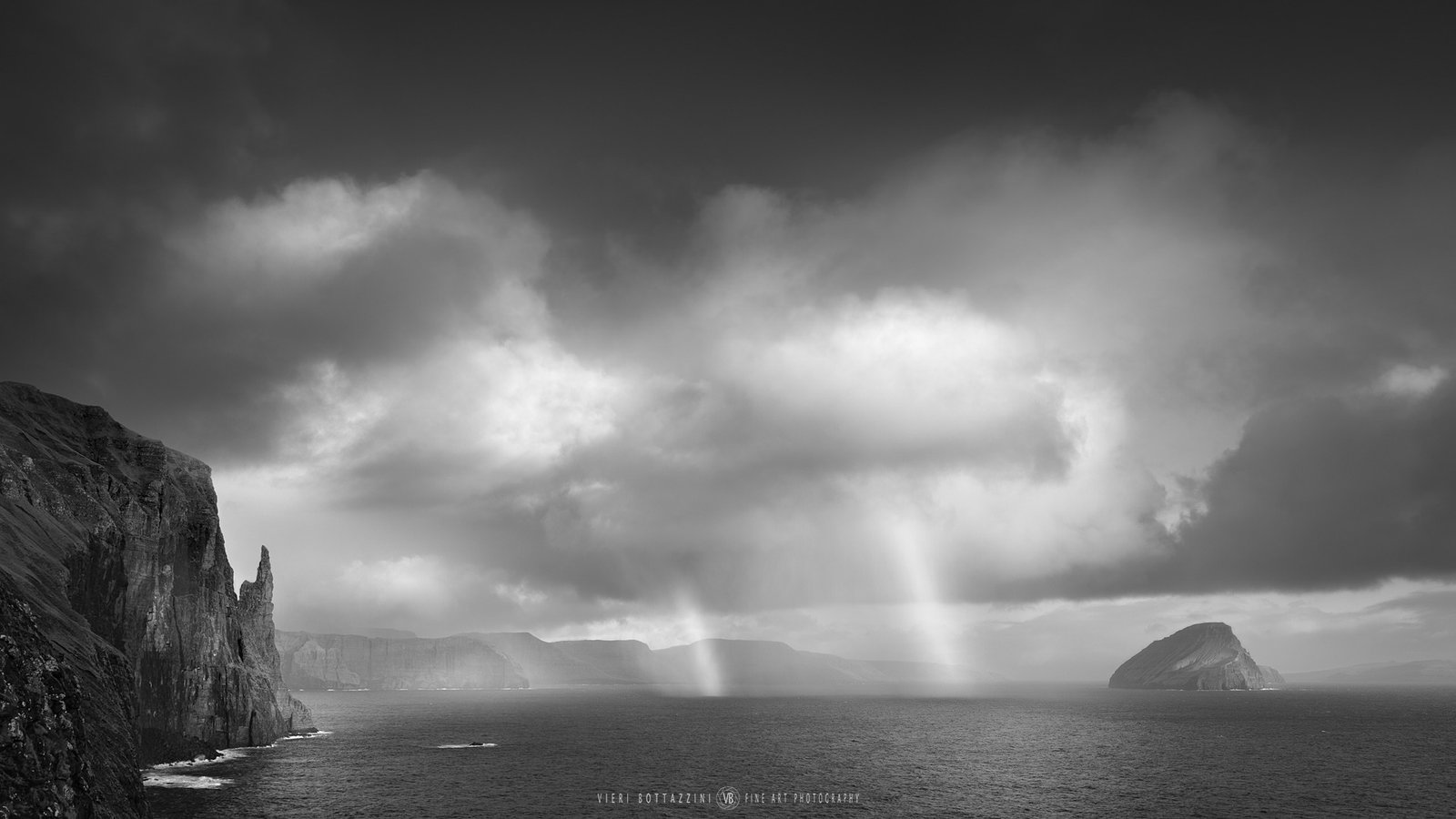
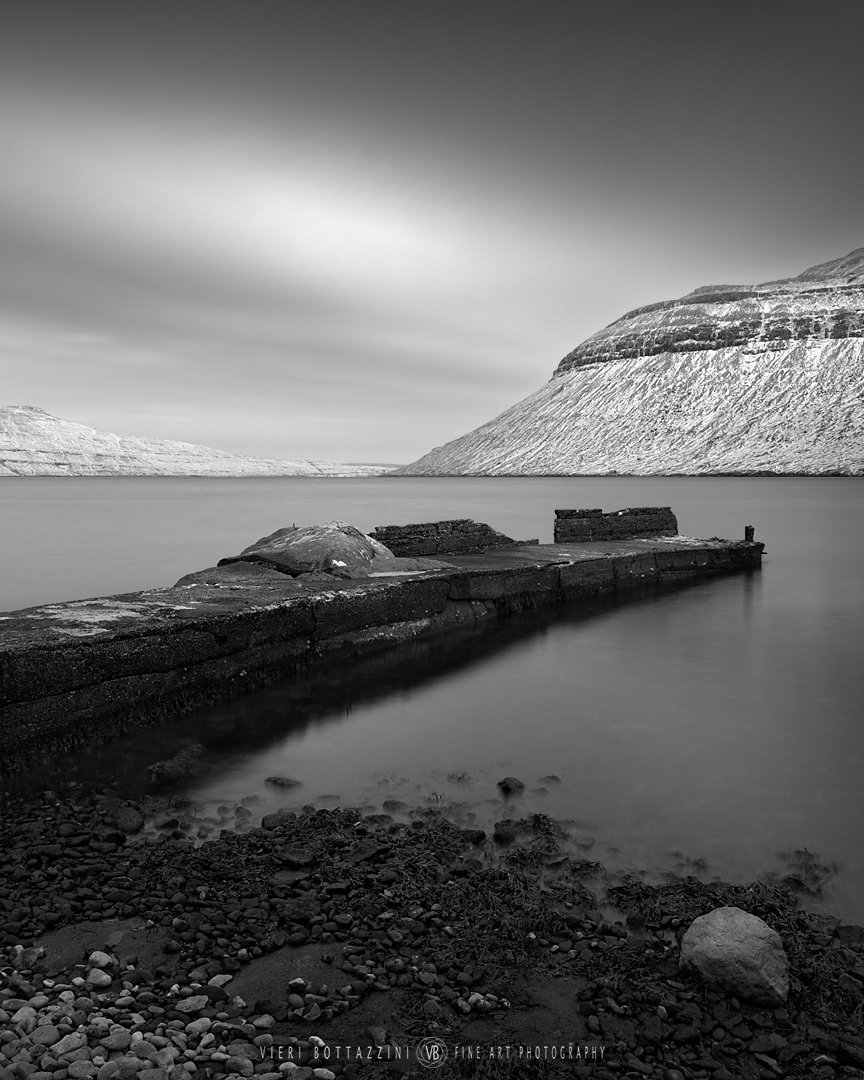
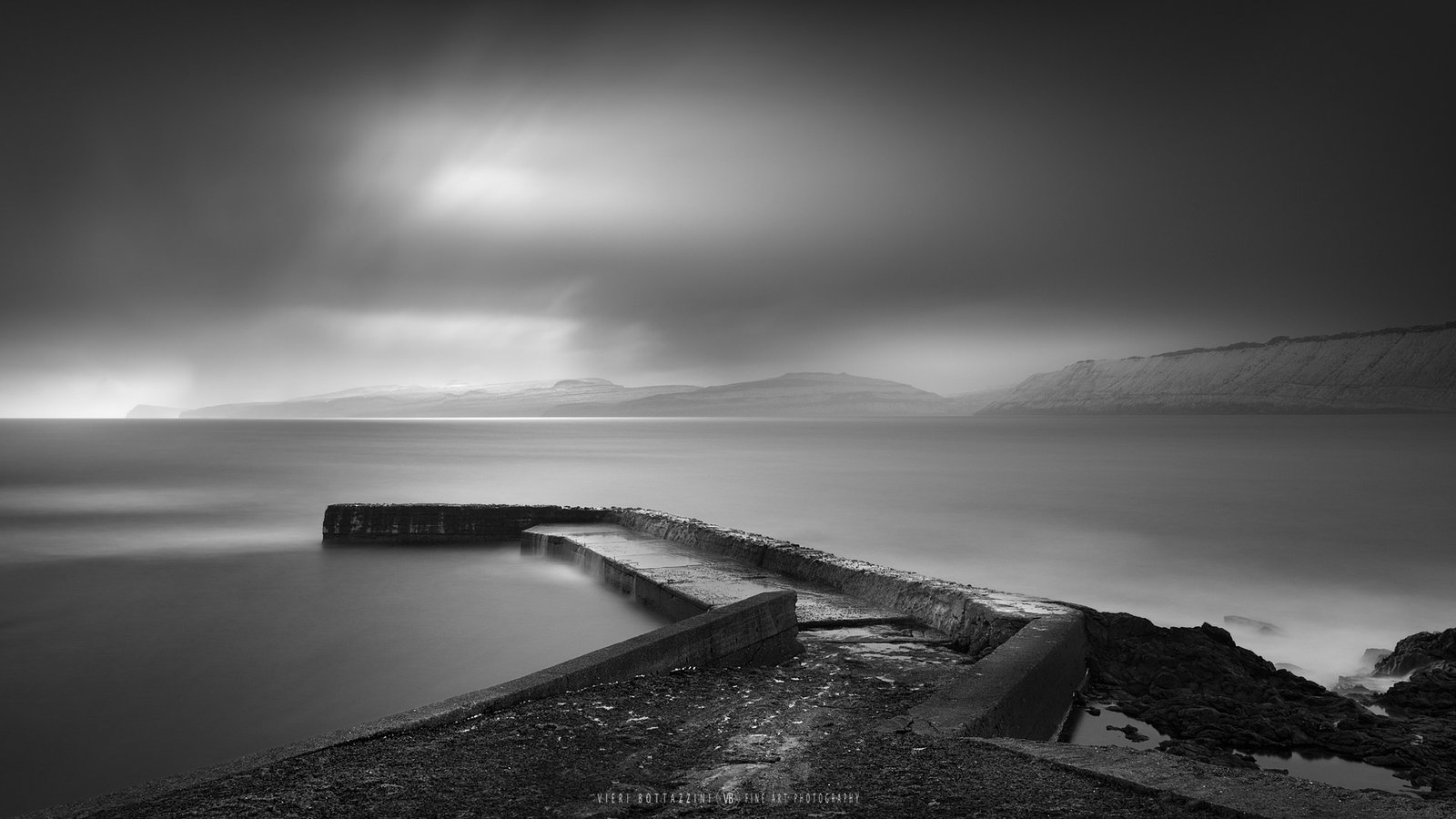
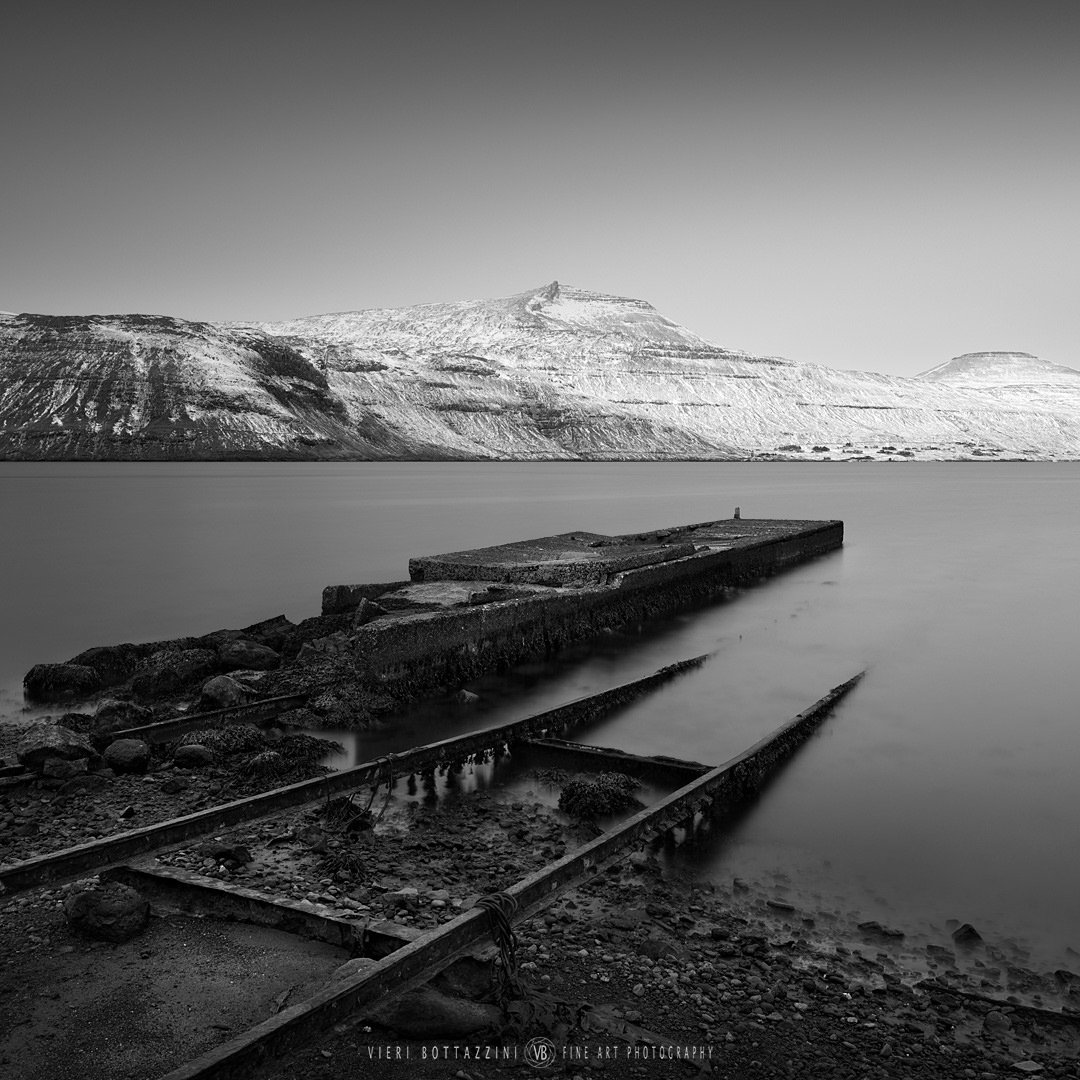
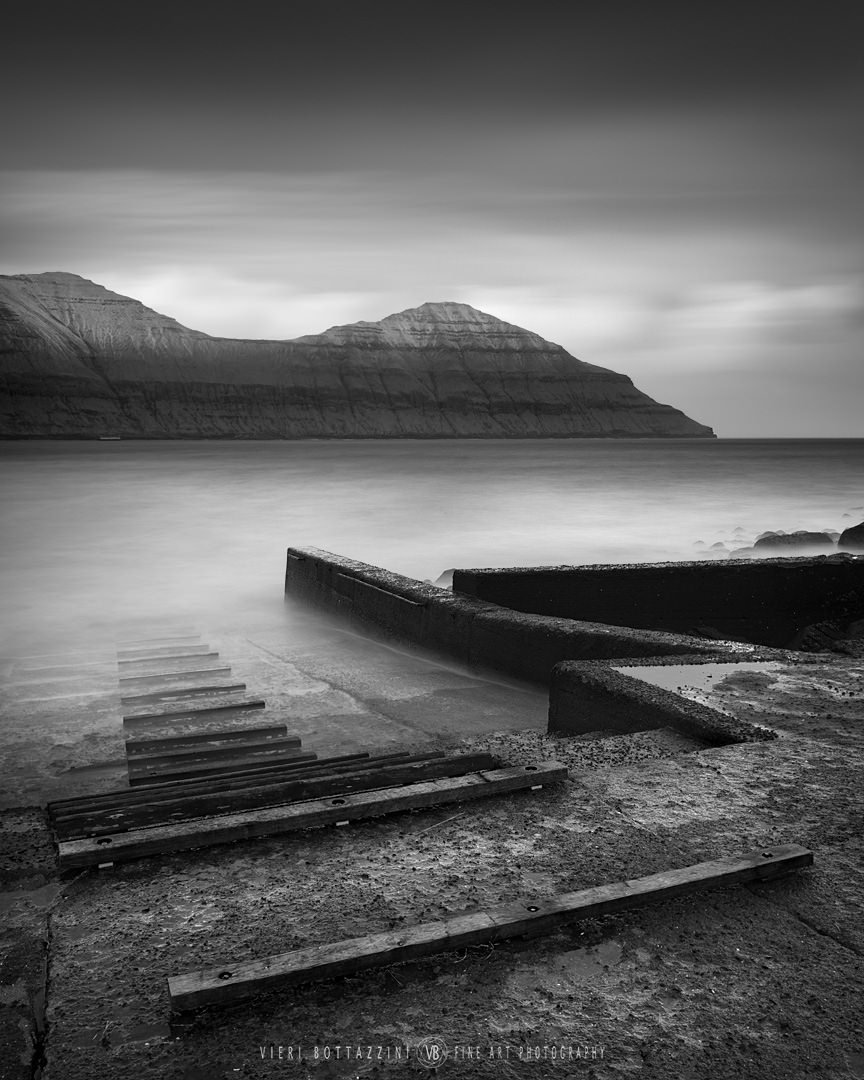
Iceland and the Faroe Islands. Below you’ll find a selection of photographs taken in Iceland and on the Faroe Islands with the Fujifilm GFX100RF in February and March 2026:
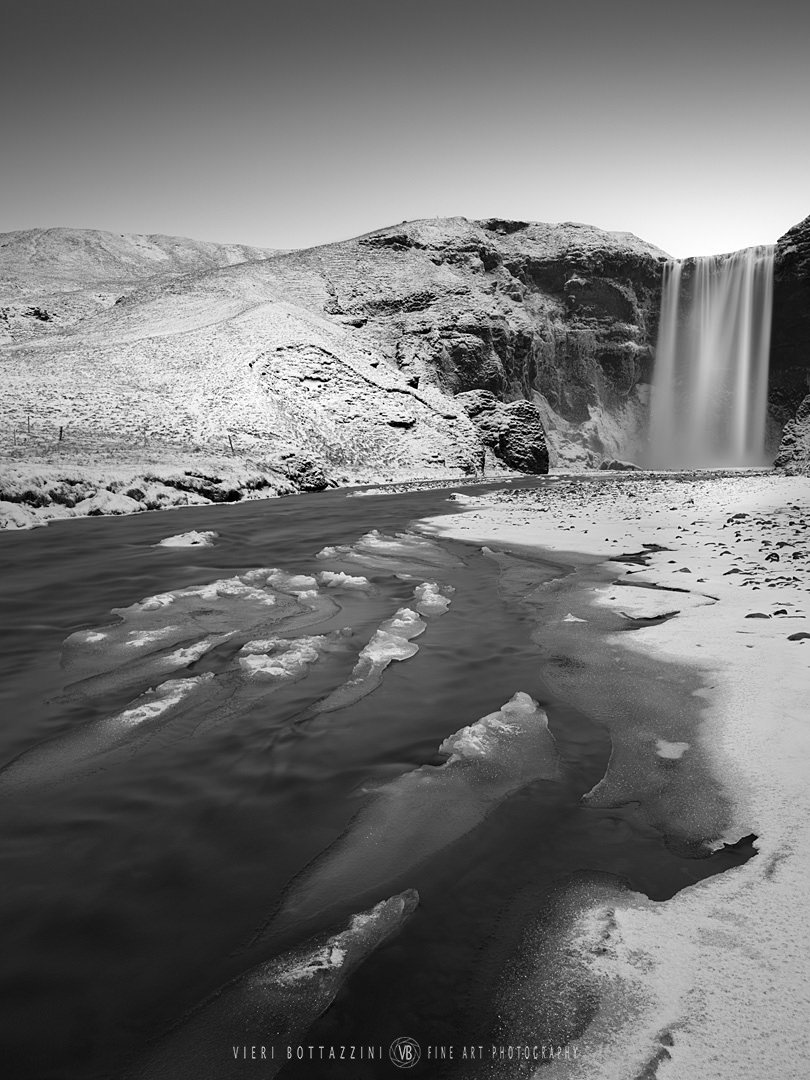
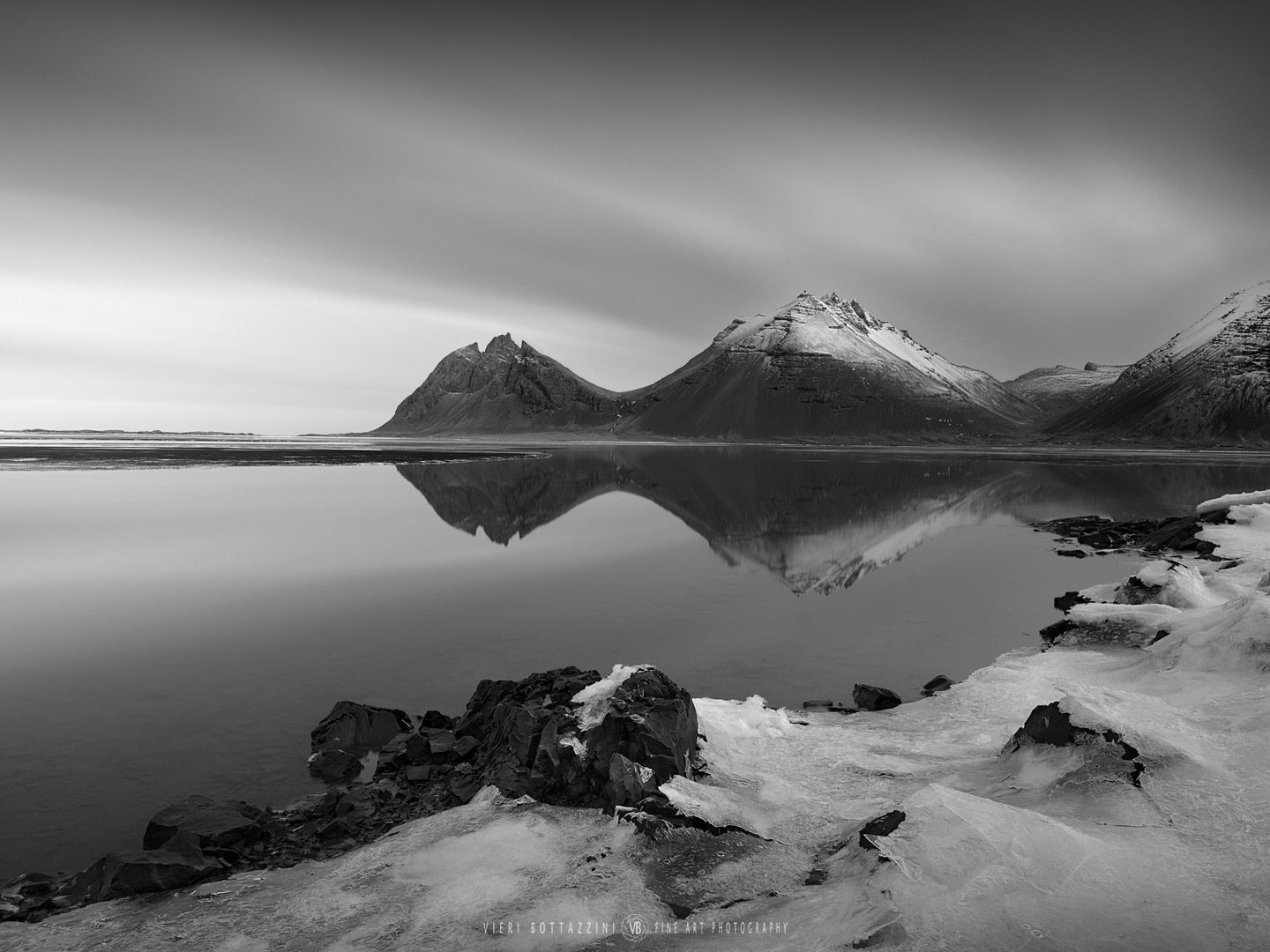
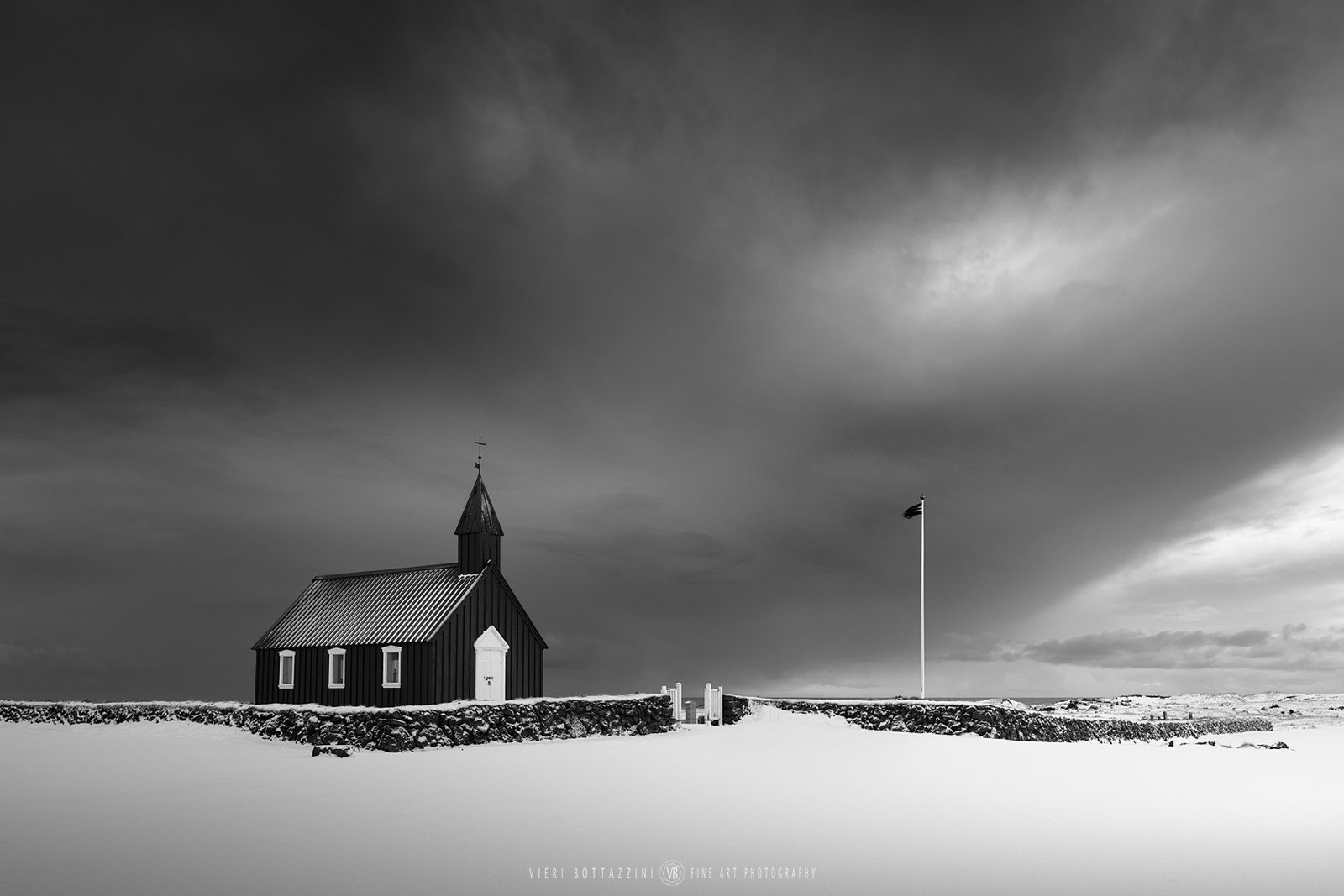
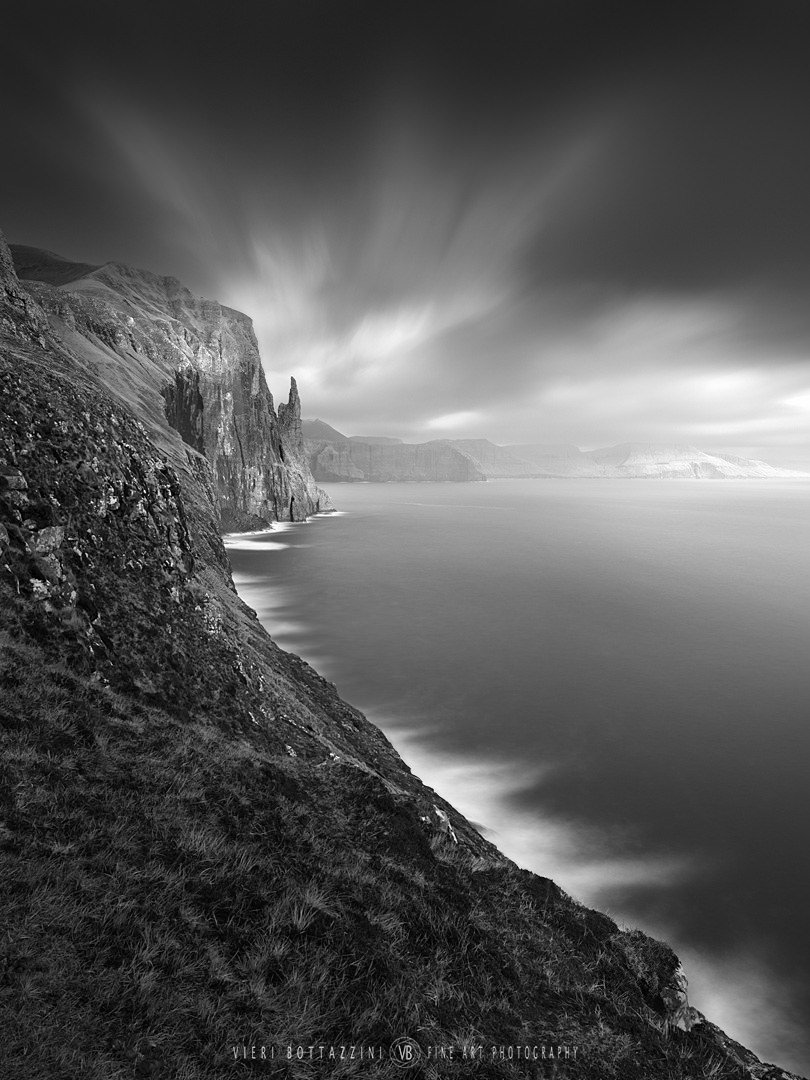
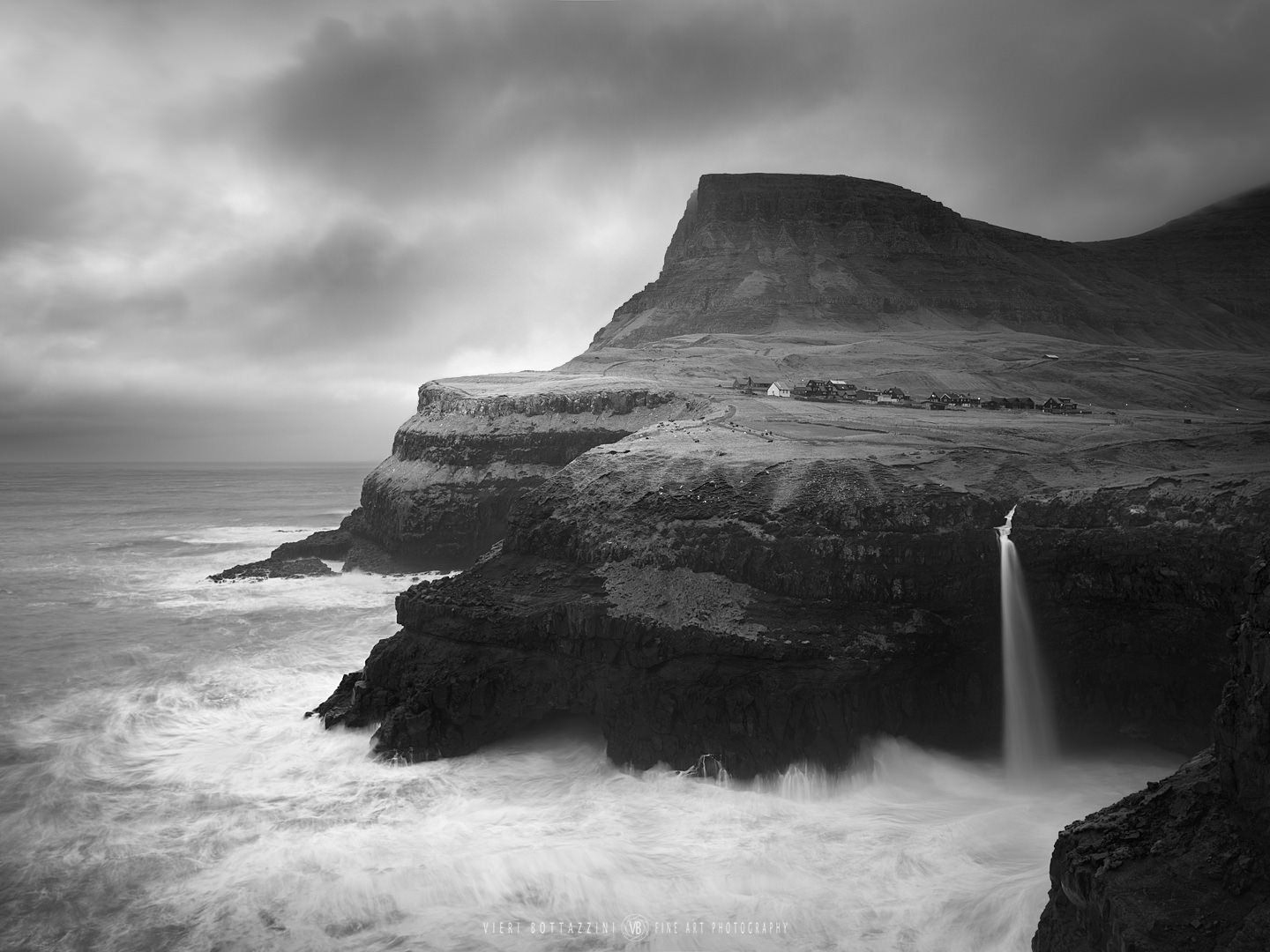
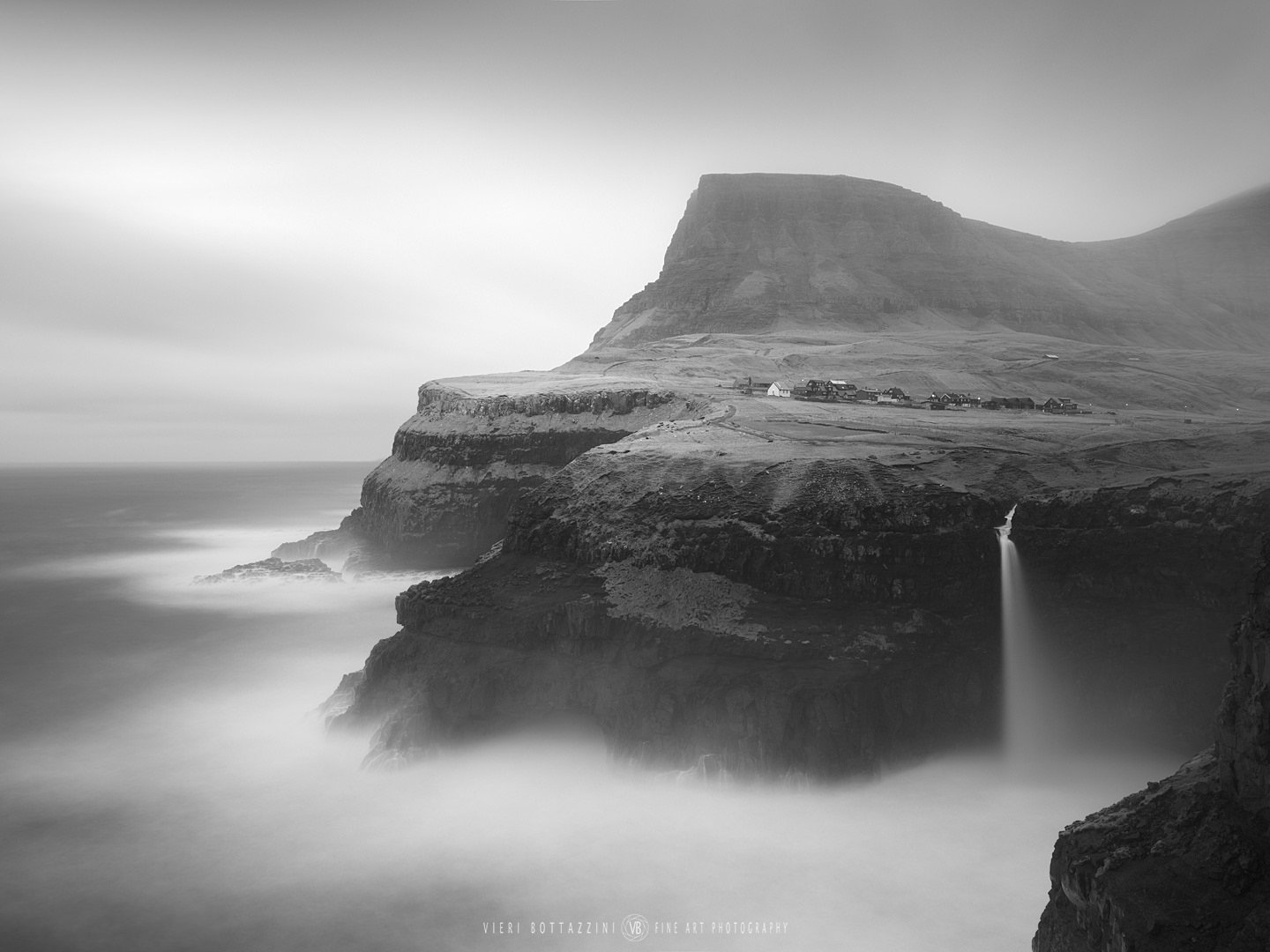
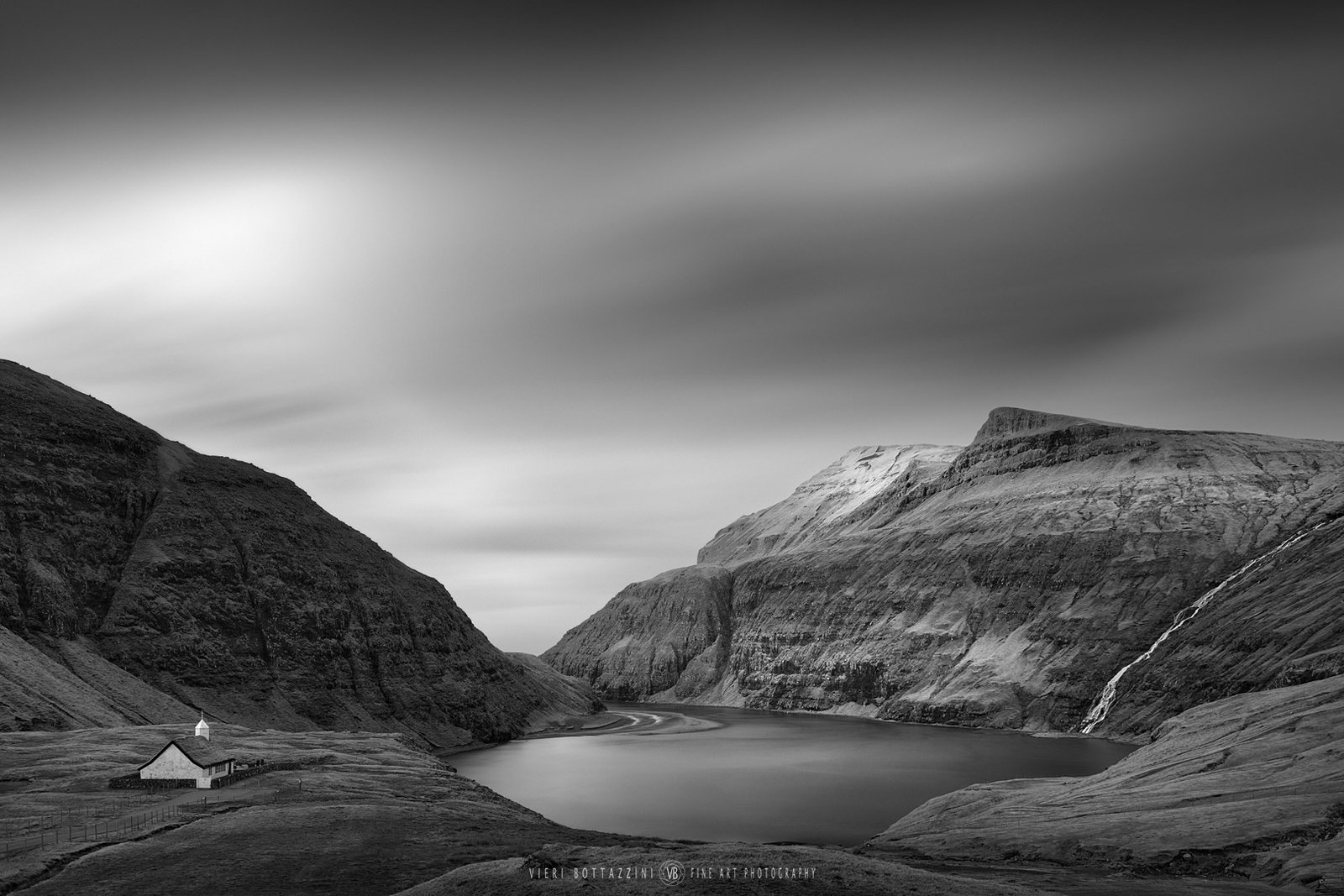
CONCLUSIONS | In September 2025, I set out to see if the Fujifilm GFX100RF would work for the kind of Fine Art, black & white landscape work I do. The answer is a resounding yes, as long as one is comfortable with the 28mm FOV equivalent focal length of course.
I enjoyed my time with the camera so much that once I got back home in May 2026 I purchased my own, and to me this is the biggest endorsement I could give this little gem of a camera!

Thank you for reading this post, I hope you enjoyed it! Why don’t you share it with your friends, or drop me a comment to let me know your thoughts about this?
8 thoughts on “FUJIFILM GFX100RF REVIEW”
Hello Vieri,
Thank you very much for your interesting review. I wondered why you do not use the interchangeable lense camera for which you also gave a positive review.
Presumably the quality would be similar and the bulk would be much less than three separate cameras.
Michael.
Hello Michael,
Thank you for your message and you are welcome, glad you enjoyed the read. About your question, I am not sure I understand what you mean. First, my main camera, as written in the article, is an Arca-Swiss M-Two 4×5″ film camera; second, as you phrased it, I am not exactly sure about which “interchangeable lens camera” you are mentioning exactly; and third, the part of this article talking about the possible interesting applications of having thee GFX100RF cameras is just my wishlist, not something that actually exists.
If you can clarify, I’ll be happy to get back to you with a more precise answer, thank you.
Best regards,
Vieri
Hello Vieri,
I think what Michael has not appreciated is that the GFX100RF has a fixed lens and that it is not interchangeable, hence the confusion.
Hello Murray,
I can’t say, hopefully Michael will chime in and clarify. Best,
Vieri
Hi Vieri,
Interesting to read that you decided to buy a GFX100RF, do you see it as back up for your 5 x 4 shots or as a camera to use when the larger equipment would not be practical?
The galleries look very good, how do the files compare to your scans of the 5 x 4 negatives?
Best regards,
Murray
Hello Murray,
thank you for your comment. As far as your questions:
1. I see the GFX100RF as an alternative / complement to my 4×5″ all in one, so to speak. During these last 6 months on the road, I found myself using it when the large format would have been impracticable, such as in situations with extremely strong winds, when I needed to be quicker, or sometimes just for the fun of it. And, while not strictly a backup (the single focal length would make it impossible for me to use as a full replacement of my 4×5″ gear) it’s always good to have a “backup of sorts” on the road, since I am traveling for months on end.
2. The GFX100RF’s files are very very good; they compare to my 4×5″ negatives exactly as any digital negative would compare to any film negative, they don’t lack anything compared to my previously used high-end medium format systems.
Hope this helps! Best regards,
Vieri
Good evening Vieri
just for your wish to have a “W” lens , I use a Ricoh GW4 lens , screwed on the 28 just like a filter, gives you a 21. the quality is asthonishingly good. I see no difference in shapes. and it takes 67mm filter
yours
Michel
Hello Michel,
thank you for your comment and kind recommendation, much appreciated. I am currently traveling, but I will definitely look into it as soon as I’ll get back home. Thanks again!
Best regards,
Vieri