
TWO YEARS WITH LARGE FORMAT
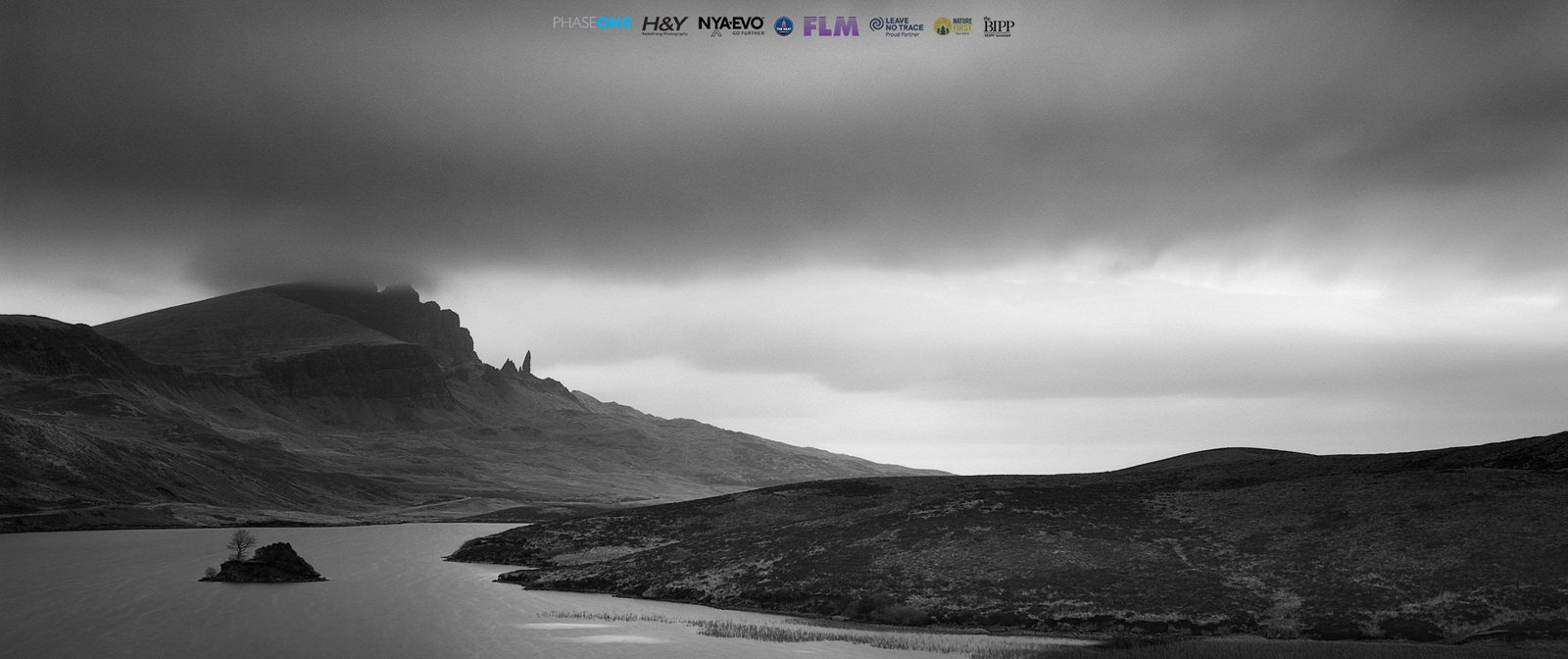
IN 2024, I MOVED TO LARGE FORMAT. A REFLECTION ON THE EXPERIENCE AND ON PHOTOGRAPHY
It has been two years since I started thinking about working with large format 4×5” film, and what an exciting, inspiring ride this has been! Working with large format proved to be everything I hoped for and more; after two years, I am fully convinced that this has been the right choice for me and that large format film is the medium that best helps me express myself through my photography.
Between our Workshops and my personal work, my wife and I do travel a lot; however, I was surprised to see that, grouping together all our travels, since I got my first 4×5” camera I had the opportunity to work with large format for a total of about 365 days in the field over two calendar years!

While the learning never stops, after these two years I now feel confident enough about sharing some thoughts about this photographic experience and all it entailed, hoping you’ll find them interesting and useful regardless of any eventual interest you may have in working with film.
Let me start with a short recap about how I got here.
In spring 2024, after coming home from our Workshops, as I always do, I paused and reflected about where my photography was and, more importantly, where I wanted it to go moving forward.
2020: BACK TO TECH/VIEW CAMERAS | In the fall of 2020, I went back to using a digital back and I really enjoyed photographing again with pancake tech cameras; that is, cameras providing me with movements such as rise/fall, shift and tilt, albeit a very limited set of them compared to the classic view cameras of old.
First, I briefly used the Phase One XT, which just featured rise/fall and lateral shift; then, to add tilt I moved to the Arca-Swiss Rm3di; last, in an effort to save weight and bulk I moved to the Alpa 12 STC, which allowed me to carry a smaller camera than the Arca-Swiss but at the expense of not having shift on both axis.
2021: ENTER NATIVE BLACK & WHITE DIGITAL | On the image capturing side, in the second half of 2021 (one year after starting to work again with a Phase One digital back), due to my love for black & white photography I added a Phase One IQ4 150mp Achromatic, a digital back natively shooting in black & white. As a result, my colour IQ4 saw very little use: in 2022 I still used it a little; in 2023, it made it out of the bag a couple of times only; in 2024, I decided to sell it.
Throughout these first 16 years of my landscape photography career, my work has been divided between two main parts. A more commercially oriented part, mainly done in colour, was dedicated to creating Fine Art photographs aimed at promoting our Workshops and at being sold both as Fine Art prints and for editorial purposes. That’s most of the work you have seen from me between 2010 and 2022.
Then, there is another part of my work, more personal and more important to me. That’s the work that best tells the stories I want to tell; the work that best represents me, my aesthetics and my philosophy; and, to use a much-abused word, that’s the work that fully embodies my vision. For lack of a better description, it is the work I would like to be remembered for – if I’ll be remembered for anything at all, that is. That work was always done in black & white only.
2024: A MOMENTOUS DECISION | Going back to spring 2024, there I was, thinking about what I really wanted to do with my photography moving forward. Suddenly, the answer was clear to me. I decided I wasn’t going to do any more work that I didn’t feel absolutely connected to. From then on, I was going to create only work I absolutely felt I needed to create. That, in turn, meant going all-in with black & white.
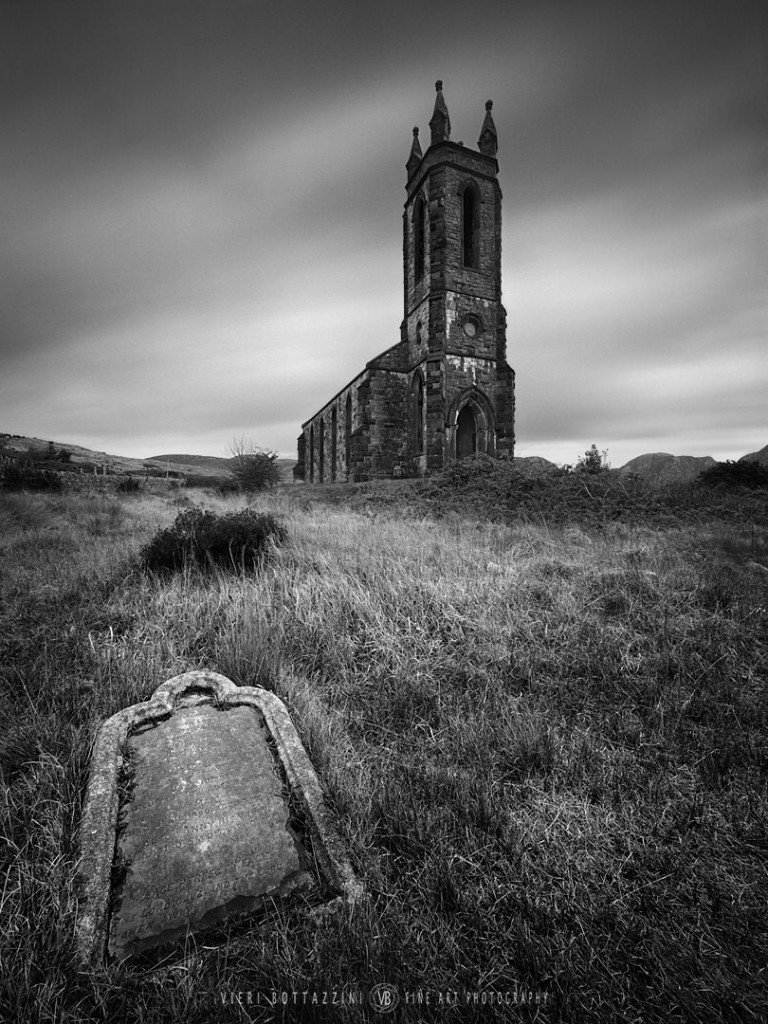
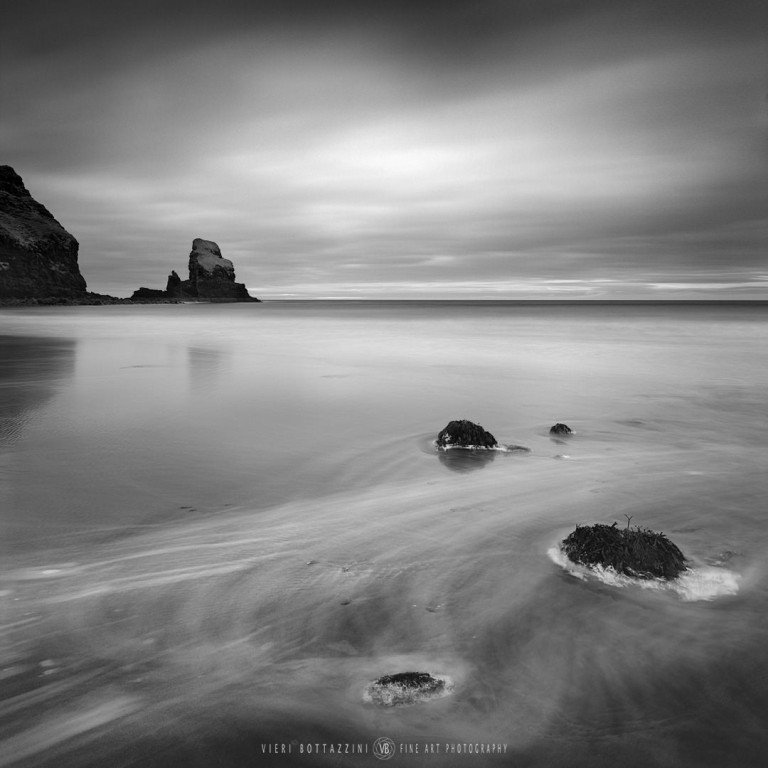
WHAT ABOUT COLOUR? | I have often been asked whether I don’t like colour photography anymore and whether I won’t create any colour photographs ever. Of course, I still like colour photography. And yes, setting aside the fact that nobody can see the future, I have a backlog of photographs to post-process that goes back to 2018: so much of that work has been created thinking in colour and will therefore be processed in colour. That means I will likely be outputting colour photographs for a few years more at the very least.
As things stand today, however, I am not planning on shooting any new colour work in the future. Once that decision was made, the next logical step was considering which equipment would be best suited for this next part of my journey with black & white photography.

BACK TO THE ROOTS | Over the years, I found myself shooting less and less. At the same time, I absolutely enjoyed the different way of seeing the world that the tech cameras I used, albeit limited in their movements, allowed me. Combining the two, the next logical question for me was why not just going back to my roots – and to photography’s roots at that. Back to black & white film.
I used film for ages, both 135 (the so-called full frame) and medium format 120 in various format ratios, 6×4.5, 6×6, 6×7, always developing it on my own. Even after transitioning to digital, I never stopped loving the aesthetics of film, its tonal range and gentler sharpness, compared to the sharper and technically better – but more clinical and colder – feeling of digital imaging.
I first considered medium format, for the practicality of carrying film rolls. However, all medium format systems are limited in terms of ultra-wide-angle options; most importantly, having full movement on medium format film meant going for a view camera. In that case, I started thinking that it wouldn’t make much sense to me to stay with a relatively small negative size such as medium format. I decided I could as well go all-in and look at large format options instead.
After checking large format’s most common sizes, 4×5” ticked all the boxes for me. 4×5” has plenty of ultra-wide lenses available; 4×5 is one of my favourite image ratios, especially in portrait orientation; the negative size is large enough to output photographs with plenty of details; there are a ton of amazing lenses available on the used market, state of the art when they have been made, extremely sharp, well-corrected and offering plenty of movement; all in a manageable package when it comes to weight and bulk.
After settling for 4×5” large format film, I started looking for a suitable kit.
THE CAMERA | After experimenting with foldable cameras, lighter and smaller, I decided to give up the weight and bulk advantage and settle for sturdier and more rigid rail-based, geared cameras instead.
My first such cameras was an Arca-Swiss F-Line, custom-assembled to my specifications, which served me very well for my first year with 4×5” film. Then, the conditions I shoot in convinced me that I needed an even sturdier, more rigid solution; thanks to Arca-Swiss’ generosity, I had six months to try a demo Arca-Swiss M-Two, their strongest 4×5” film camera that is still reasonably portable.
The Arca-Swiss M-Two proved to be the perfect combination of portability and rigidity, offering all the features I need, all perfectly arranged. The camera is such a joy to use, and I loved working with it so much, that I ordered and got my own. I will review the Arca-Swiss M-Two in a separate article.
THE LENSES | When it comes to lenses, working with large format is like entering in a strange, different universe compared to what most of us are used to in the digital world. But what a fun universe to be in, one made of research, discovery, experiments and epiphanies!
For starters, no manufacturer currently produces large format lenses – except for Intrepid, which is developing a new 150mm lens together with their new electronic shutter (both not yet available at the time of writing). So, all lenses for large format cameras today must be sourced used. This, in turn, poses its own set of challenges: which ones to get; where to find them; what to look for to decide whether they are in good enough conditions; and so on.
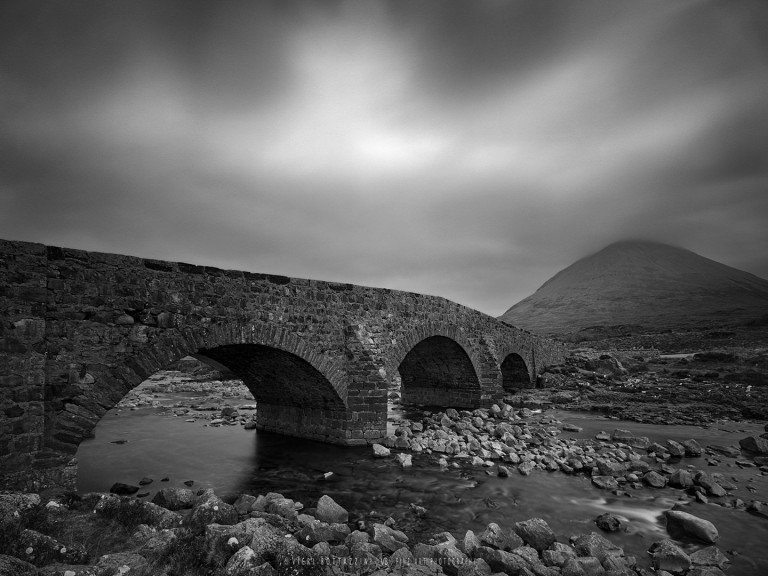
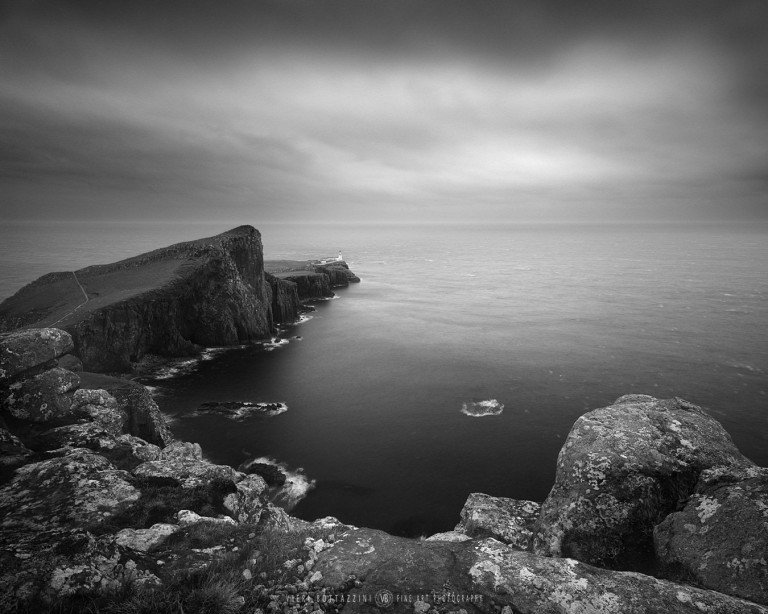
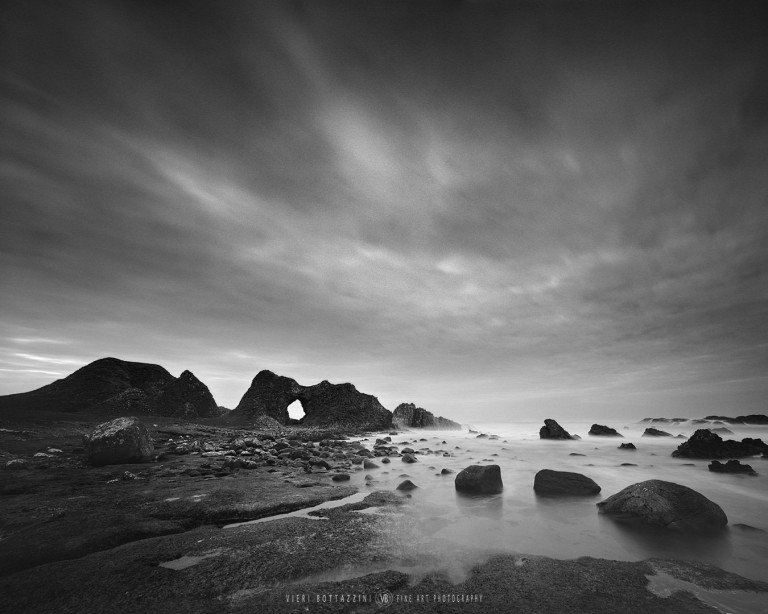
On the other hand, unlikely with any other camera system, with large format there are over a century of lenses, from several manufacturers, available to choose from! More, modern large format lenses are some of the best lenses ever designed and produced by man; Schneider, Rodenstock, Nikon and Fujifilm are the “big four” that took large format lenses to the summit of excellence in optical design.
Of course, since they stopped production of large format lenses in the early 2000s technology progressed in terms of auto-focus, zoom lens design, fast lens design, and so on. But that doesn’t make large format lenses any less good on film, which is what they were designed for. After all, film is still the same it was when these lenses were designed and produced.

What adds to the fun is that most large format lenses are available for much less than what current medium format lenses – and most full frame lenses – cost today. Plus, you can buy and then resell them at basically no loss, allowing you to experiment to your heart’s content.
Over these last two years, I enjoyed very much sourcing and experimenting with a lot of these lenses; there are so many to talk about that I’ll examine them in detail in a separate article.
WHAT ABOUT THE OUTPUT? | When I decided to go back to film, it was perfectly clear to me that I had no ambitions to also go back to wet printing in a darkroom. My negatives would get digitised, post-processed and then digitally printed. I know that some people would maintain that wet printing is the only possible output for a negative, and that digitally printing a negative makes the photograph less “analogue”. These people have all my respect, but I’ll have to disagree.
After digitising about two thousand 4×5” negatives, I am absolutely convinced that a digitised film negative still looks like a film negative, with all its silver crystals there to see, and that the aesthetic qualities of a large format negative, the tonal range, that ephemeral, hard to define “look” that is so unique to large format film, are all still there.
The question for me then was how to digitise my negatives. In my old film days, I used a wonderful Hasselblad Flextight X5 scanner, long sold and long out of production. So, when I started again with film, I went for an Epson V850 Pro, the last scanner supporting large format I could find (now also discontinued). I liked the output enough, but the V850 Pro was too slow for my workflow’s requirements.
So, I decided to move to a Fujifilm GFX100S II and a Fujifilm 120mm f/4 Macro on a Kaiser stand, and I have been very happy with this setup so far. The resulting files are great; speed, flexibility and ease of use are fantastic; plus, digitising via a camera is a more future proof solution.
LARGE FORMAT & MY WORK: THE SUBJECTS AND THE STYLE | One of the things I have been asked since moving to large format film is whether the change of medium made me also change my choice of subject matter and subject treatment.
I think that as visual artists we constantly evolve, trying to pursue our aesthetic ideals and strengthen the way we translate our emotions and thoughts into our imagery. To do so, we select the tools that we feel would best help us express ourselves at any given time, changing them if need be as we progress with our artistic journey.
In my case, I think my photography constantly changed over my digital years and kept changing over these last two years with large format film as well, although not necessarily in the terms of the question I have been asked. Rather, I think it has been the other way round: I got to a point in my journey where I recognised large format film as the best medium available to me to photograph the subjects I wanted to photograph in the way I wanted to.
MISSING OPPORTUNITIES AND LOSING PHOTOGRAPHS | Another thing I have frequently been asked is whether I am concerned about missing opportunities and losing photographs due to the inherent slowness and limitations of large format film compared to digital. That is a valid question, of course.
There are two limitations I see as real working with large format film compared to my previous digital systems: 1. I now need more time to set up a shot, and 2. I can work a little less into the darker hours of the day, since focusing and composing with large format is bit more complicated than it is with a digital screen.
I am OK with both these limitations. For me, the act of photographing is an attempt at creating my interpretation of something I saw and felt when I think the time and conditions are right for me to do so. By actively deciding to take one photograph, or not to take it, I implicitly accept to renounce the possibility to take, or not to take, an infinite number of other ones.
Happily, over the years I learned that for any untaken photograph there is another photograph waiting to be created; so, I am not concerned about what people would consider missing opportunities. As well, to me a loss is only a loss when I lose something I previously had, not when I don’t get to have something which I didn’t have – like a shot not taken. After all, we can’t take them all.
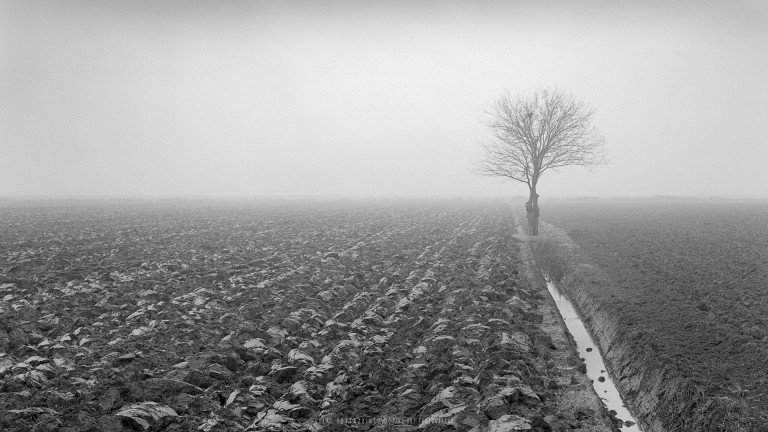
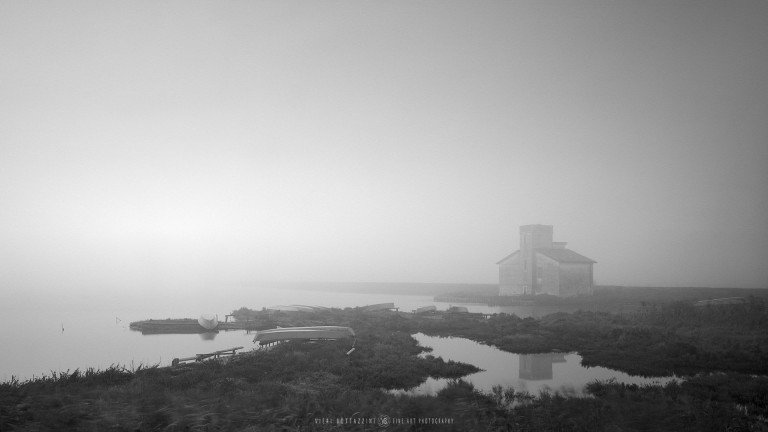
THE EXCITEMENT OF LEARNING | These last two years have been a wonderfully exciting learning experience for me, one that made me a better photographer and artist. I think most of what I learned would apply to any photographer, regardless of their medium of choice, so let me share it here in the hope it will be of interest and, perhaps, of some inspiration to others as well.
AN INSPIRING WAY OF VIEWING THE WORLD & COMPOSING | I have used every camera system under the sun, SLR, rangefinders, TLR, both full frame and medium format alike, and I can easily say that composing on a large format view camera’s ground glass is simply an experience unlike any other. Every time I go under my dark cloth and look at that window on the world, I am excited and anticipating; and no matter how many times I did that, every time what I see amazes and surprises me!

First, even if many consider 4×5” to be a “small” large format, the ground glass of a 4×5” camera is huge compared to any full frame or medium format camera. Then, when looking at the ground glass, the scene appears upside-down and left to right. The world revels itself in a completely new, unexpected and nearly abstract-like way; it almost feels like any connection with the reality in front of me, and with the way I normally see it, had been removed.
While that might sound a bit disconcerting at first, this is something I find extremely beneficial for composition. Removing the descriptive aspect of reality as we all see it, in a way enables me to really focus on what I am photographing instead. It is as if the scene in front of me had suddenly been reduced to an arrangement of lines and masses for me to organise in the strongest possible composition.
As well, not seeing a scene as descriptively as you expected it to look like also makes it easier to prevent classic compositional distractions such as intruding objects in corners, or cutting off things that should have been in, and so on.
MORE CONTROL IN REPRESENTING REALITY | Building a kit of large format lenses with a large enough image circle, together with the camera’s movements, allowed me to change my workflow to have dramatically more control in the way I represent reality.
Any camera without movements allows us to level our horizon; but we are then often forced by the scene to compose pointing our cameras up or down. This in turn introduces distortion in the shapes of objects and geological landmarks. Using a large format camera and lenses with a big enough image circle, I now can level my camera on all axes, not just the horizon, and then adjust my composition using rise/fall.
This gives me the option to have my photographs representing objects and geological landmarks exactly like they looked like in the real world, shall I decide to do so.
While everyone easily understands the advantage of the above to photograph buildings, to prevent them from visually “falling over” and to keep vertical walls straight, it is normally harder to appreciate the power of that option for scenes with no buildings in them.
However, once you saw any geological landmark photographed faithfully thanks to rise/fall, any other photograph you will see of the same place showing the distorted shapes resulted by pointing the camera up or down will somehow look weird, or even “wrong”.
THE WORKFLOW | The process of working with large format is longer than turning on a digital camera and starting to shoot; but the time it forces me to dedicate to every step, in turn, make all the steps more careful and deliberate, and that reflects in the final result. And I absolutely love it.
Artistically and creatively speaking, I love how using large format requires my full attention and how it makes me fully aware and connected to what I am doing, in a way I never felt with any digital cameras before. I love the feeling of really creating my photographs, taking my time to build them block by block, one conscious, deliberate decision after another.
I love the craftmanship involved in the process. Focusing controlling depth of field precisely with tilt and swing. Metering, exposing and developing so that my tonal range is carefully placed on the negative. The pride coming from pulling my negatives out of my developing tank and seeing them perfectly developed. The absolute joy of seeing the resulting image on my screen once I digitised it.
Back to working the field, over my digital photography years I progressed into shooting less and less photographs on any given outing; but nothing close to the low numbers I am shooting today. What I found extremely interesting is that the number of keepers I am shooting, in percentage, is much higher today with large format film that it has ever been with digital.
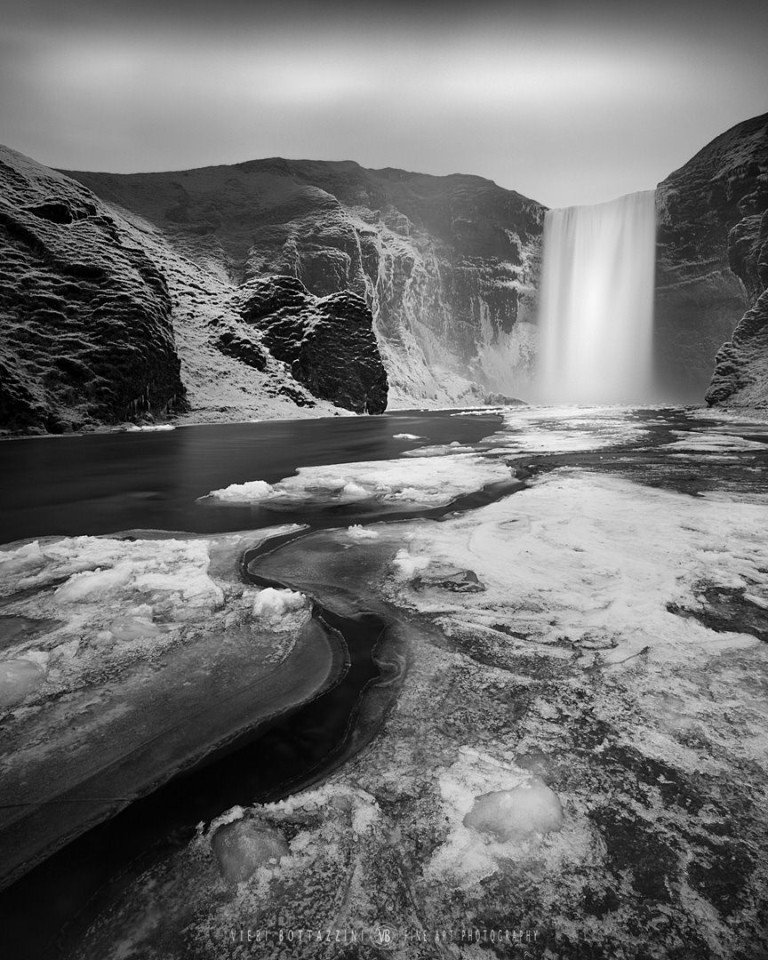
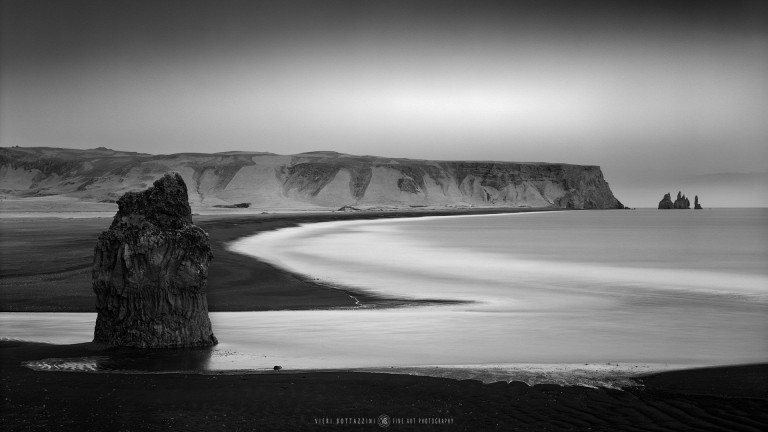
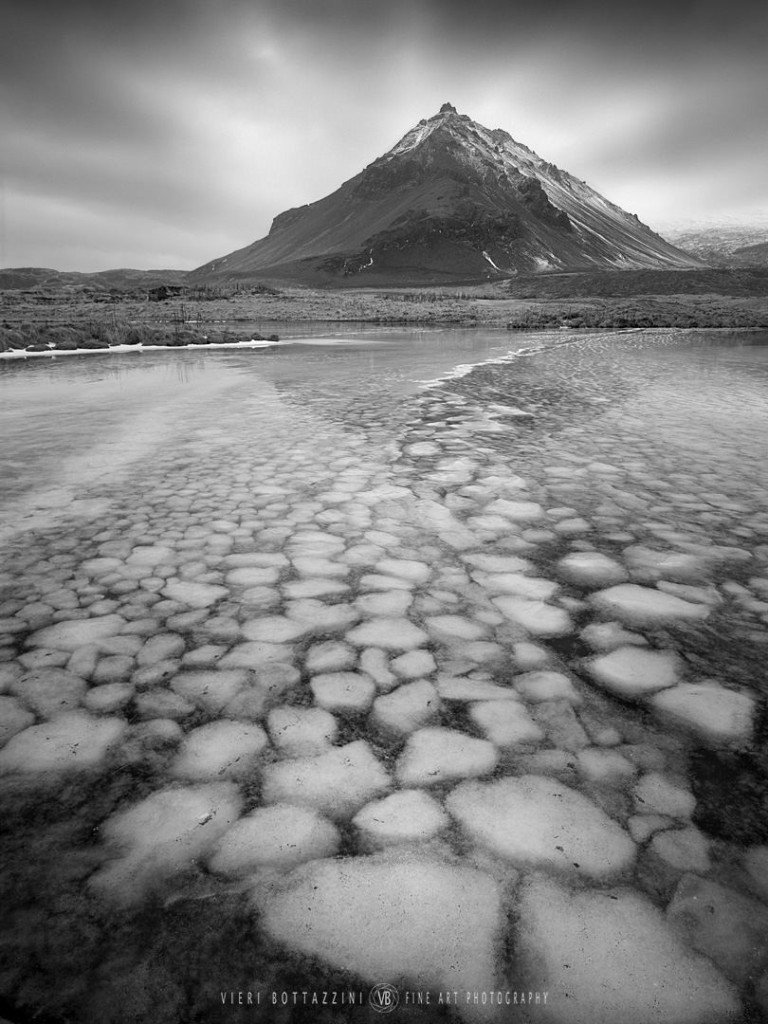
In practice, with large format film I normally take two or three shots of any given scene. I first take a shot using the metered exposure, no filtering, just to have a reference shot. Then, I take one or two the way I think would work best to express what I want the scene to express; these normally involves using colour filters, or longer exposures. If the conditions require it, I might take a fourth exposure, either for technical reasons or to try something different artistically.
CONTROLLING FOCUS: THE ADVANTAGES OF A VIEW CAMERA | View cameras, conceptually, are about a hundred years old. While it might sound funny to talk about their technical advantages over the newest and best, the fact that new camera systems have been invented and perfected doesn’t mean that older ones can’t retain any advantages over them.

One of such advantages, to me, is the ability of a view camera with tilt and swing to fully control focus and sharpness, allowing you to place your plane of focus (or wedge of focus, in fact) so precisely that no fixed lens camera, and even no tilt and shift lens, can even get close.
How to do so in practice goes beyond the scope of this article. A quick search for the Scheimpflug principle will allow anyone interested to find out what tilt and swing are and how they can help us photographers in our quest for a perfectly focussed image. While the whole theory sounds complicated and intimidating, its application in practice is much simpler.
View cameras for digital do exist, of course, and they’ll give you that control as well. I have quite a bit of experience with them, but I find using tilt and swing with the help of a large ground glass easier and more satisfying than doing so on a small digital screen.
In certain cases, focus stacking digitally can be an acceptable substitute. However, it doesn’t work in all situations, especially for people working with long exposures: just imagine having to take 10-15 photographs each 4-5 minutes long to focus stack them, and you’ll immediately see how unpractical that is.
THE POWER OF SPOT METERING | Digital cameras today have the most sophisticated meters; yet decades of field experience proved to me time and again how these advanced metering modes always need adjustments. Digital makes that easy: meter, take a shot, check your histogram, repeat until the exposure is perfect.
Large format cameras, on the other hand, rely on an external meter, and with large format film I don’t have the luxury of taking multiple shots until I find the perfect exposure. While you might consider this a hindrance, to me it proved to be just the opposite; going back to using a spot meter of old properly allowed me to take full control of how to meter a scene, all my negatives come out just perfect, and the process is actually much faster than iterating exposures with a digital camera.
Both for focusing and metering, the resulting photograph might look the same; however, for me personally the awareness and control of the photographic and creative process coming from large format against digital makes all the difference in the world.
LEARNING WIH DIGITAL VS LARGE FORMAT FILM | The advent of digital revolutionised photography in many ways. Much has been written about all aspects of this revolution; here I am just going to focus on the two most powerful changes digital photography introduced that can make learning dramatically easier.
The first is having instant feedback at the time of shooting; the second is having an effectively unlimited number of photographs we can take in one outing.
With digital, you can take a photograph and immediately see it. If needed, you can then adjust any parameter that needs adjusting – composition, exposure, focus, anything – and repeat the process as many times as you like. Obviously, if used well, this is an amazing learning tool.
The downside of this is that it also enables you to keep clicking away without putting much thought into the whole process, hoping something will happen – or, until something will happen. If used this way, digital will make you lazy and not result in any learning whatsoever.
Using large format film, on the other hand, comes with limitations in the number of film holders you can carry and, therefore, in the number of photographs you can take in one outing. More, to have any feedback about what you photographed you need to develop your negatives, which is effectively impossible in the field.
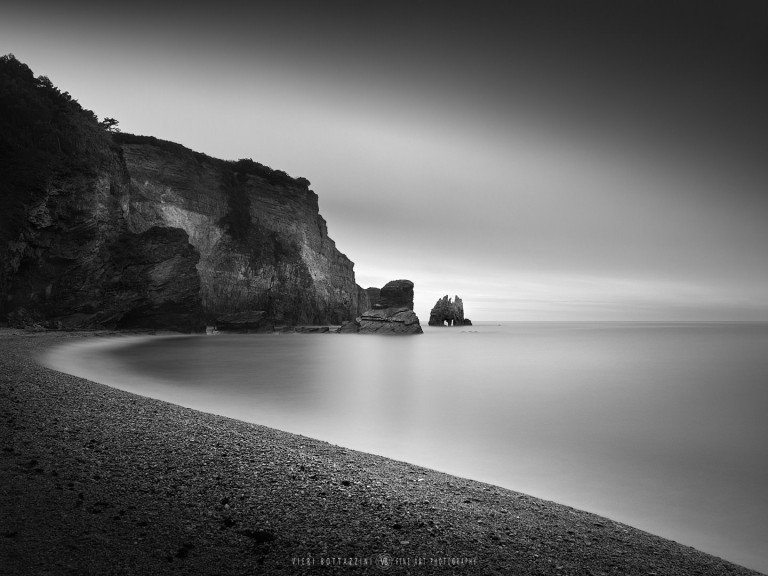
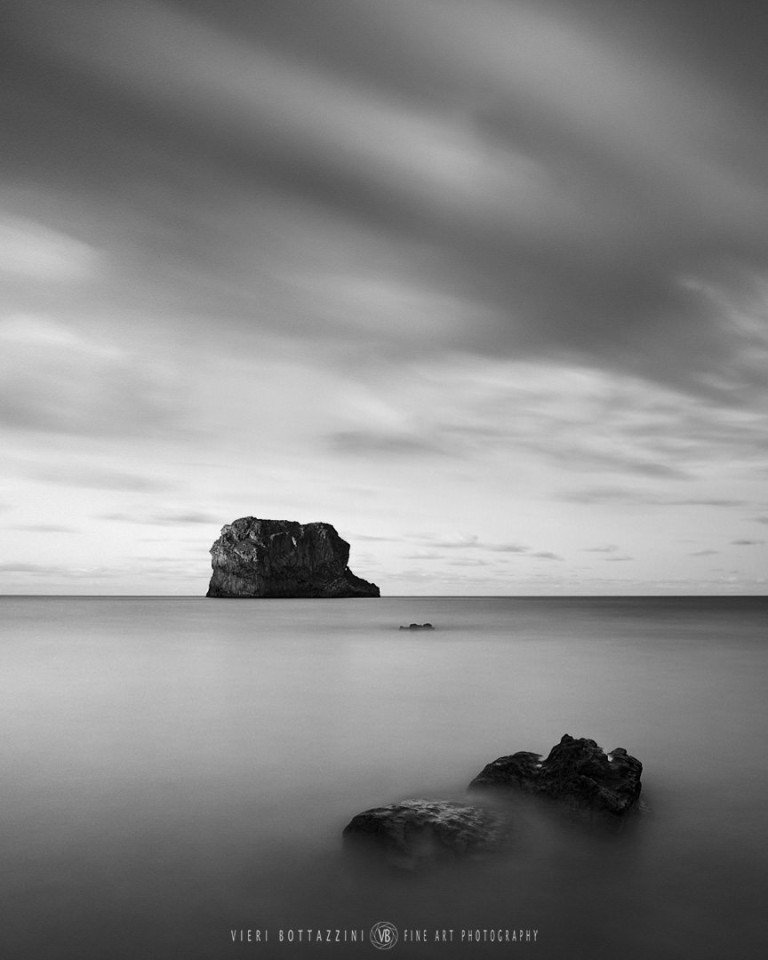
Compared to using digital, the mental process needed to use large format film is upside down. Rather than shooting first and checking, thinking, adjusting and perfecting later, large format film forces you to compose, adjust focus and meter as perfectly as you possibly can before taking a shot. As well, it means that rather than keeping shooting through a session hoping for things to happen, you need to wait to take your photograph at the best possible time.
Obviously, you could do that with any digital camera as well; however, in my experience, it’s not always easy to resist the lure of the shortcuts offered by digital.
BACK TO BASICS: STUDYING THE MASTERS | When I decided to work with large format film, I decided I was going to pretend I forgot all I knew from my film days and went back to the basics. I started by reading two of the classic Ansel Adams books (The Camera and The Negative); I then went for Minor White’s zone system classic manual; then, I started reading as much as I could about the old Masters and studying as much of their work as I could.

I enjoyed spending two years together with biographies, auto-biographies, diaries and letters; photo books about the most varied projects, be it landscape, reportage, people, portraits, anything that piqued my interest; exhibition catalogues; portfolios; and more. As well, I went back to study aesthetics, history and philosophy of art; I tried and absorb as much as I could, to make sense of my newly rediscovered medium of film and its possibilities, both technical and artistic.
What a wonderful, enriching time it has been! Reading about the old Masters and why they did what they did, what moved them, what inspired and motivated them, marvelling at their skills and at the iconic work they did with what we would today consider limited equipment was nourishment for my mind and soul, nourishment that I believe we all need, regardless of our medium of choice.
CONCLUSIONS | Today more than ever, the social media based, ultra-fast content consuming world around us pushes us towards being more focused on the how (gear, technique), the wow (ultra-loud work) and the how much (we are expected to output constantly to keep the algorithms happy) rather than on reflecting about the why and on the quality of the work we do.
I believe we would all benefit from dedicating at least some time to do things the other way round.
As for me, over the last 16 years my journey with landscape photography brought me to slow down; brought me to simplify; brought me to give up colour. All that, in turn, brought me to go back to film, and to large format 4×5” film in particular.
Two years working with large format photography helped me becoming even more deliberate in my photography and inspired me to think even more about the why and the how behind my photography. Large format helped me declutter and clarify the things I wanted to shoot and better understand why and how I wanted to do it, while providing me with powerful tools to do so.
I hope the story of these two years offered you some inspiration as well, regardless of your medium of choice.

Thank you for reading this post, I hope you enjoyed it! Why don’t you share it with your friends, or drop me a comment to let me know your thoughts about this?
8 thoughts on “TWO YEARS WITH LARGE FORMAT”
An excellent article on your journey back in to shooting 5 x 4. Thank you for sharing your thoughts.
Hello Murray,
thank you very much for reading and commenting, I am glad you found it interesting! Best regards,
Vieri
Hey Vieri,
What an interesting read, and it was fun to follow you on your Journey. Having known you through all of these steps, it was fun to have gone along with you, albeit from a distance.
Hey Jim,
thank you for taking the time to read and comment, truly much appreciated, I am glad you enjoyed the read! Yes, since we first met around the web a lot changed in my photography, thank you for having been witnessing the journey all these years!
Best regards,
Vieri
I also added a 4 x 5 camera with a Nikon 150/5.6 about a year ago. The learning experience was interesting and at age 72, you can teach an old dog new tricks. The process is critical. In the end (since I don’t have the ability to print myself) I decided the time sink is excessive. The negative scans are beautiful but since I don’t print: what’s the point?
Great article and glad that you’re taking this format forward with your work!
Hello Gary,
thank you for reading and commenting, much appreciated. Great to hear that you also experimented with 4×5″! About the output, of course I see your point – I do print, albeit digitally, which might make a difference, but even if I didn’t print I think that a digital scan of a negative would still looks different enough from a native digital file for me to justify the time and process. And I do love the process, which for me is a big part of the end result.
Best regards,
Vieri
Thanks for the heartfelt article – am interested in what of the old masters, aesthetics and theory you found of interest. Not many folks talk about that, but its important and helps us to understanding our place in the larger framework.
Hello Geoff,
thank you for your message and you are very welcome, glad you enjoyed the read! About your question, I agree about the importance of having more conversations about the why we do what we do, and about “our place in the larger framework” as you perfectly put it. I have been thinking about sharing my thoughts about that for a while, so I apologise for asking you to wait a little longer – you’ll find the answers to your questions in an upcoming article, and I am looking forward to continuing our conversation there. Hope this helps!
Best regards,
Vieri