IN IRELAND WITH MY 4X5" ARCA-SWISS CAMERAS: A PORTFOLIO

In 2025, my wife and I went to Ireland twice, spending nearly one month total on that beautiful island both for me to do some personal work and to finalise our upcoming, new Workshop there.

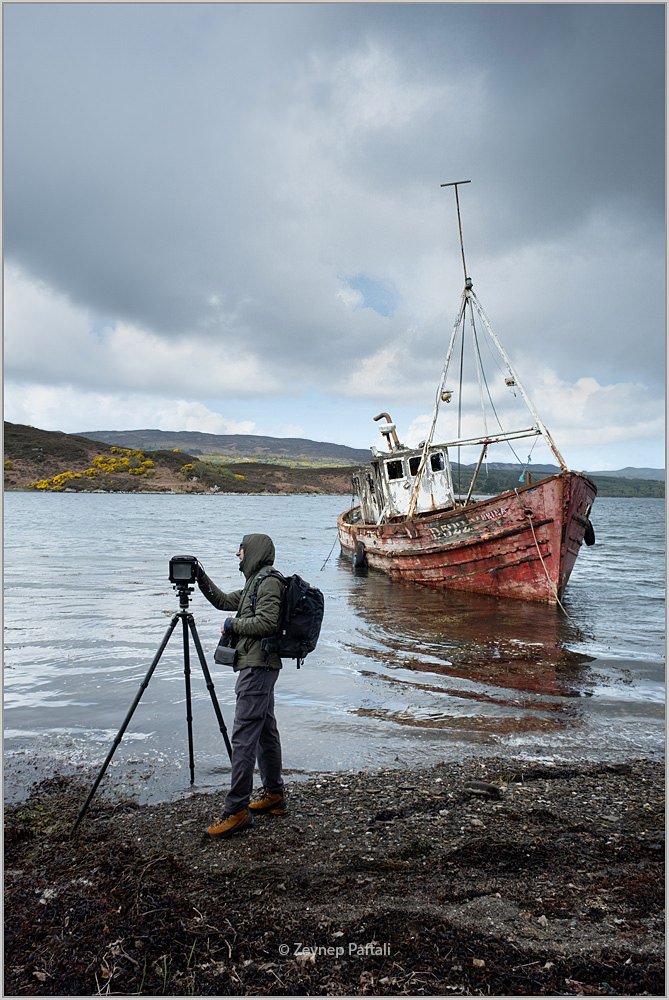
Our first visit was in spring; our second in winter. During our stay, we worked along the Irish coasts and inland, on very different types of ground and under very different weather conditions, which presented me with quite a few challenges. 4×5” cameras are notoriously prone to suffering from micro-movement when working both in windy conditions and on less than solid ground, such as sandy beaches, spongy and peaty soil, and the like. Ireland offered plenty of both.

More, a large part of my photography is done using exposure control as an expressive tool. I love the simplification power of long exposures, and I use exposure control’s ability to transform matter as a compositional tool; as a result, my shutter speeds are often in the minutes.

As mentioned in previous posts related to working with 4×5” cameras (see ICELAND: A 4X5” PORTFOLIO, and GLENCOE & ISLE OF SKYE: A 4X5” PORTFOLIO), one of the lessons I learned early on in my landscape photography career, and one I always try to impress upon my Alumni, is the importance of solid support. A sturdy, rigid tripod; a rigid, precise and easy to use tripod head; careful, well-honed tripod technique; all these are, for me, fundamental in the creation of a successful image. Check out my GEAR & EQUIPMENT page to see what I use to support my cameras.

During our first trip to Ireland, I used my Arca-Swiss F-line custom camera, my beloved Arca-Swiss P0 head and an FLM CP-38 L4 tripod. While I loved this setup, I started considering whether an overall more rigid solution would have prevented me from losing images. So, before the start of our fall traveling season, I set out to improve my setup’s rigidity and stability.

Starting from the top down, I looked into Arca-Swiss lineup of 4×5” cameras and decided to give the M-Two a try. The M-Two is a more travel-friendly version of the M-Monolith, Arca-Swiss’ studio masterpiece. It comes with less movements and it is more compact and lighter than, but as rigid as, the Monolith. Arca-Swiss generously sent me a demo camera to try, which I have been using since September 2025.

In short, I am in love: the results were fantastic, working with the M-Two is pure joy and I am now waiting for Arca-Swiss to build me one of my own.

The next step was the tripod head. As much as I love the P0 (see my ARCA-SWISS P0 MONOBALL REVIEW), which in my opinion is the best, easiest to use, most stable and most ingenious head out there in its category, the M-Two needed a stronger, more rigid solution. I decided to stay with Arca-Swiss and get a Z1+, which to me offered the best compromise between rigidity and weight / bulk. As with everything that Arca-Swiss makes, the Z1+ is wonderfully manufactured, is extremely intuitive to use and crucially it kept my M-Two perfectly still during these last months on the road under any weather conditions.

Ireland Photography Workshop

Last but not least, the tripod. My FLM CL-38 L4 II worked well for me with lighter cameras, but to keep my M-Two still I knew I needed a better solution. The only tripod on the market offering the rigidity vs weight and height features I needed was the Gitzo GT5543XLS, which I friendly call “The Beast”; it is big and heavy, but its rigidity is unbelievable.

As a result of the new setup, my percentage of photographs lost to micromovement dropped dramatically during all our fall season, compared to last year’s setup. In Ireland, the topic of this post, I was pleased to see that during our last trip in winter I did not lose a single image to micromovement, while I did lose quite a few last spring.

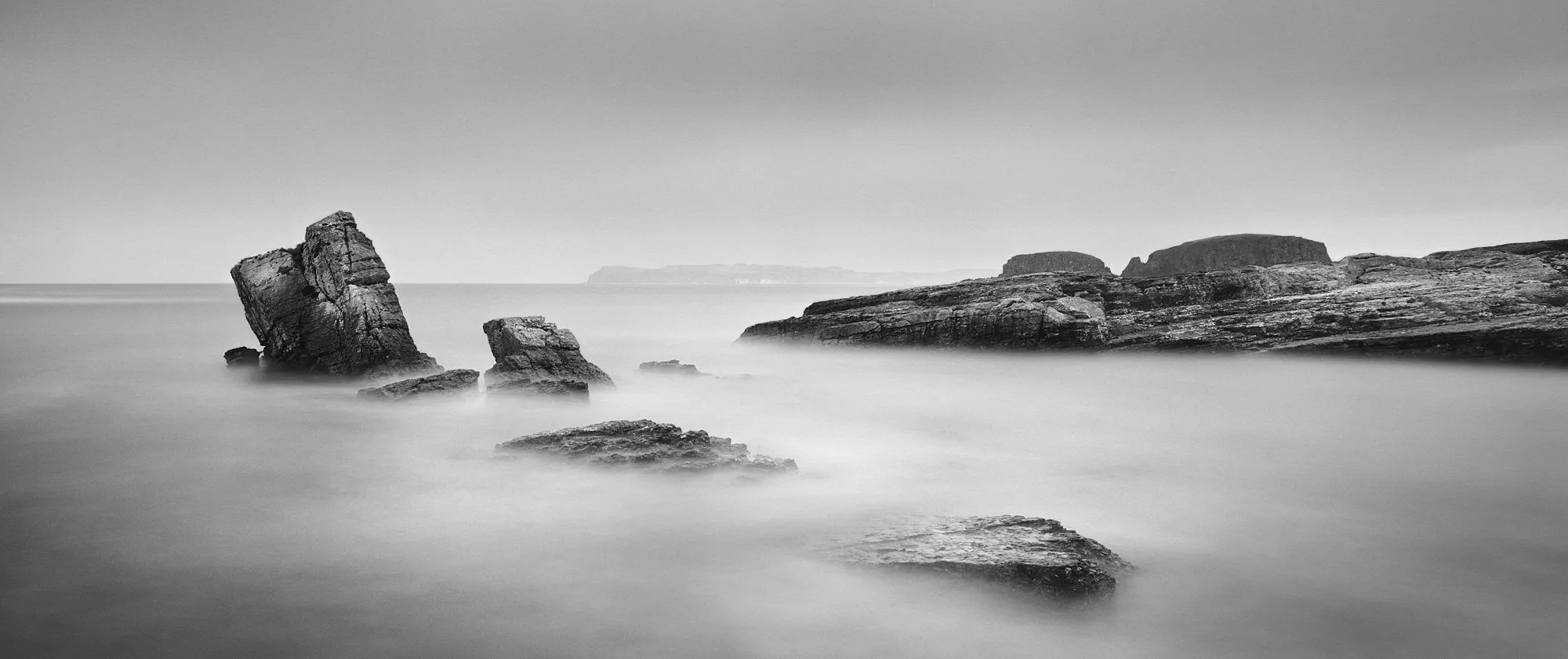
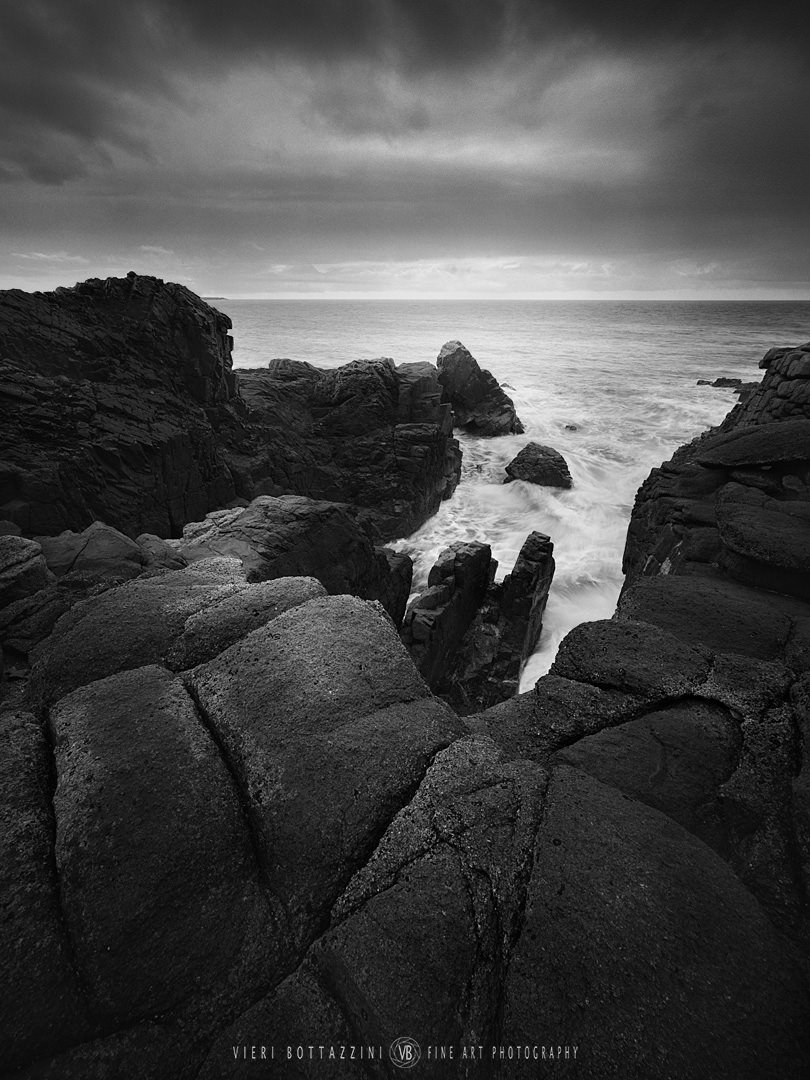
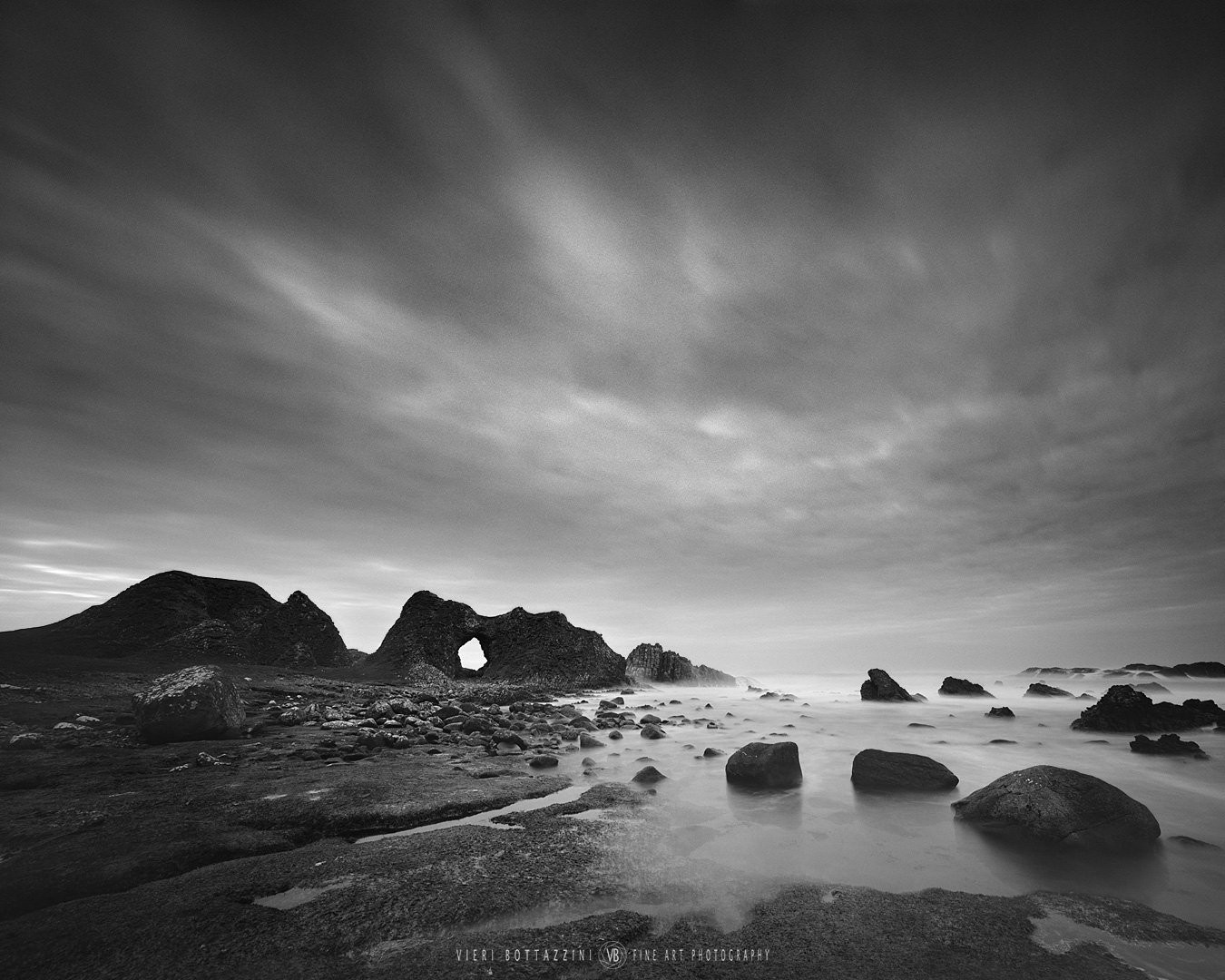
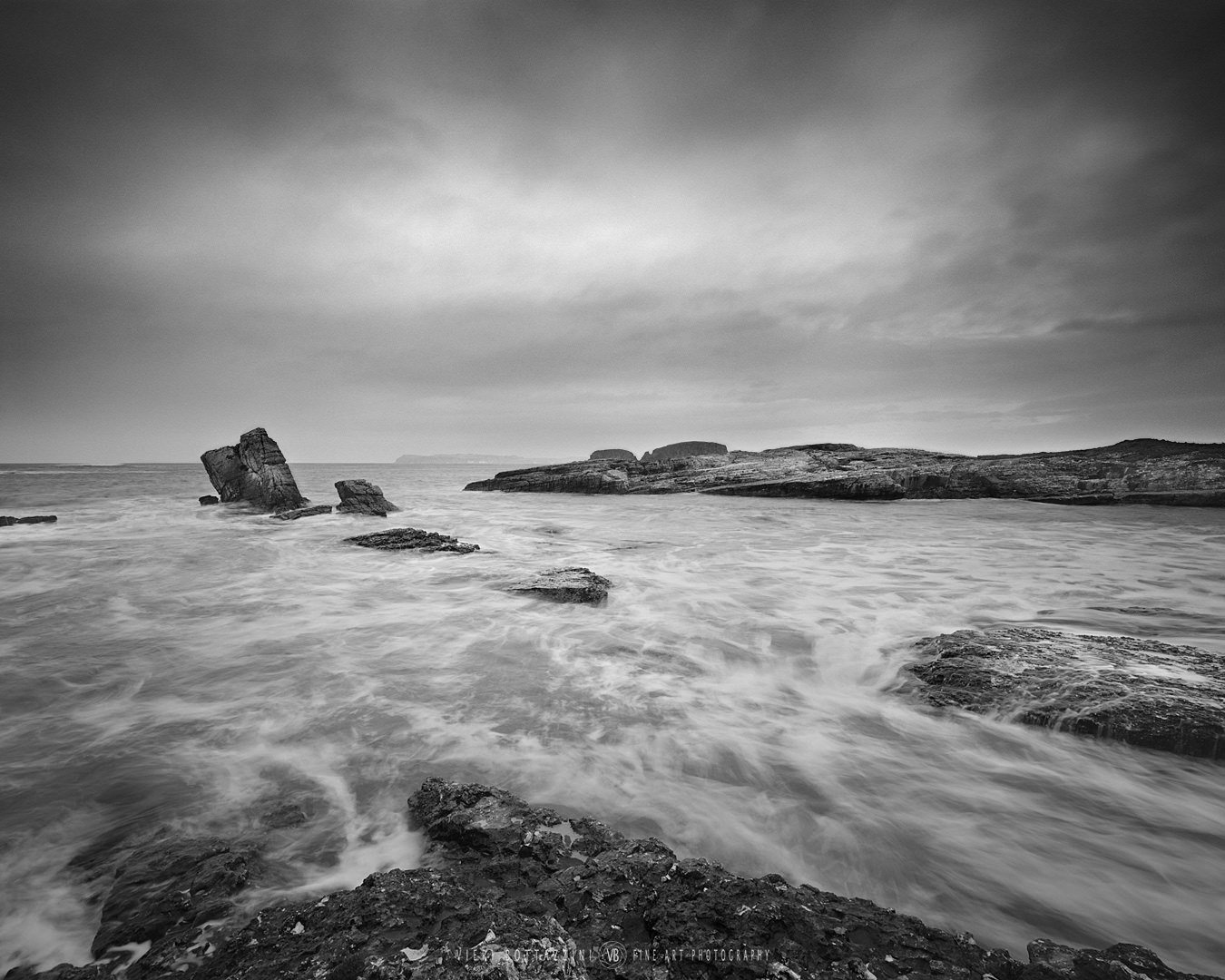
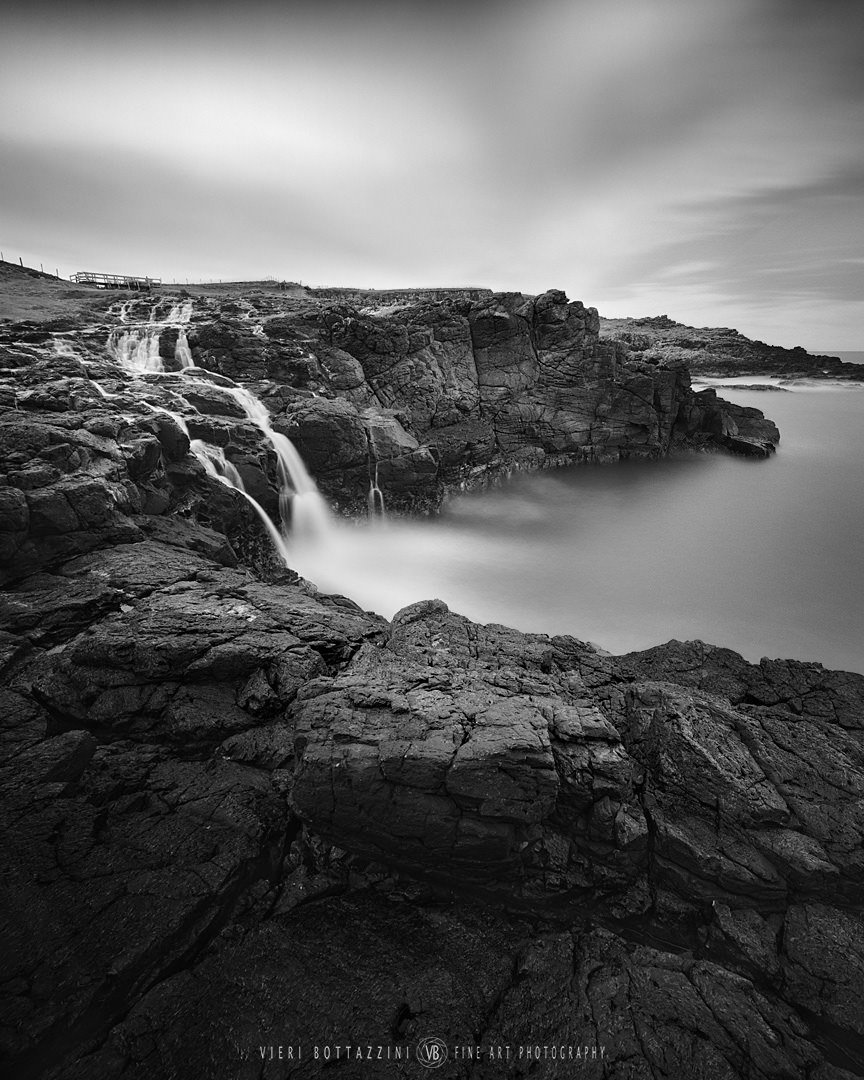
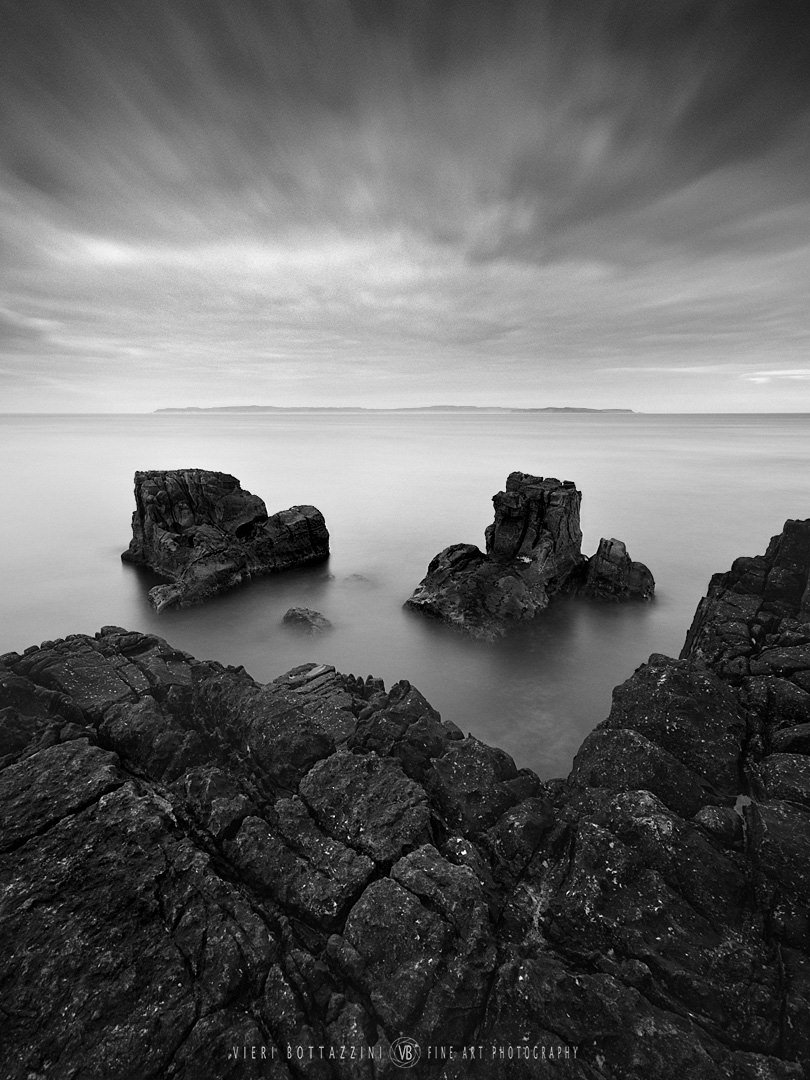
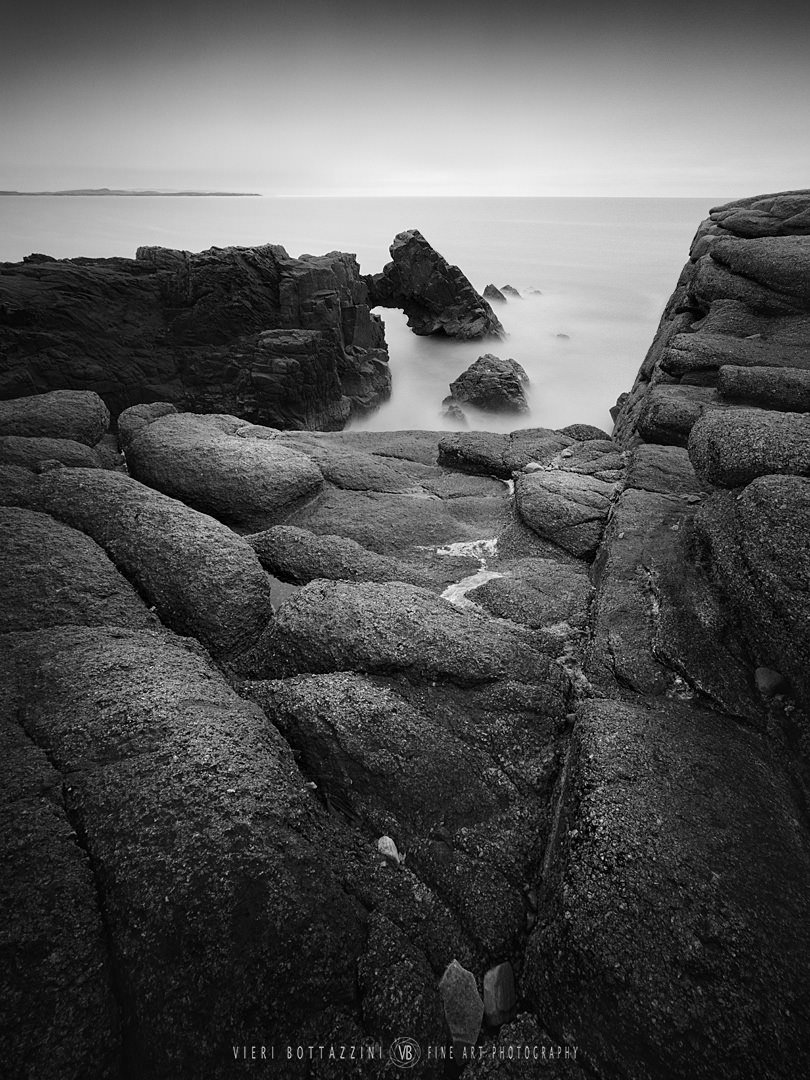
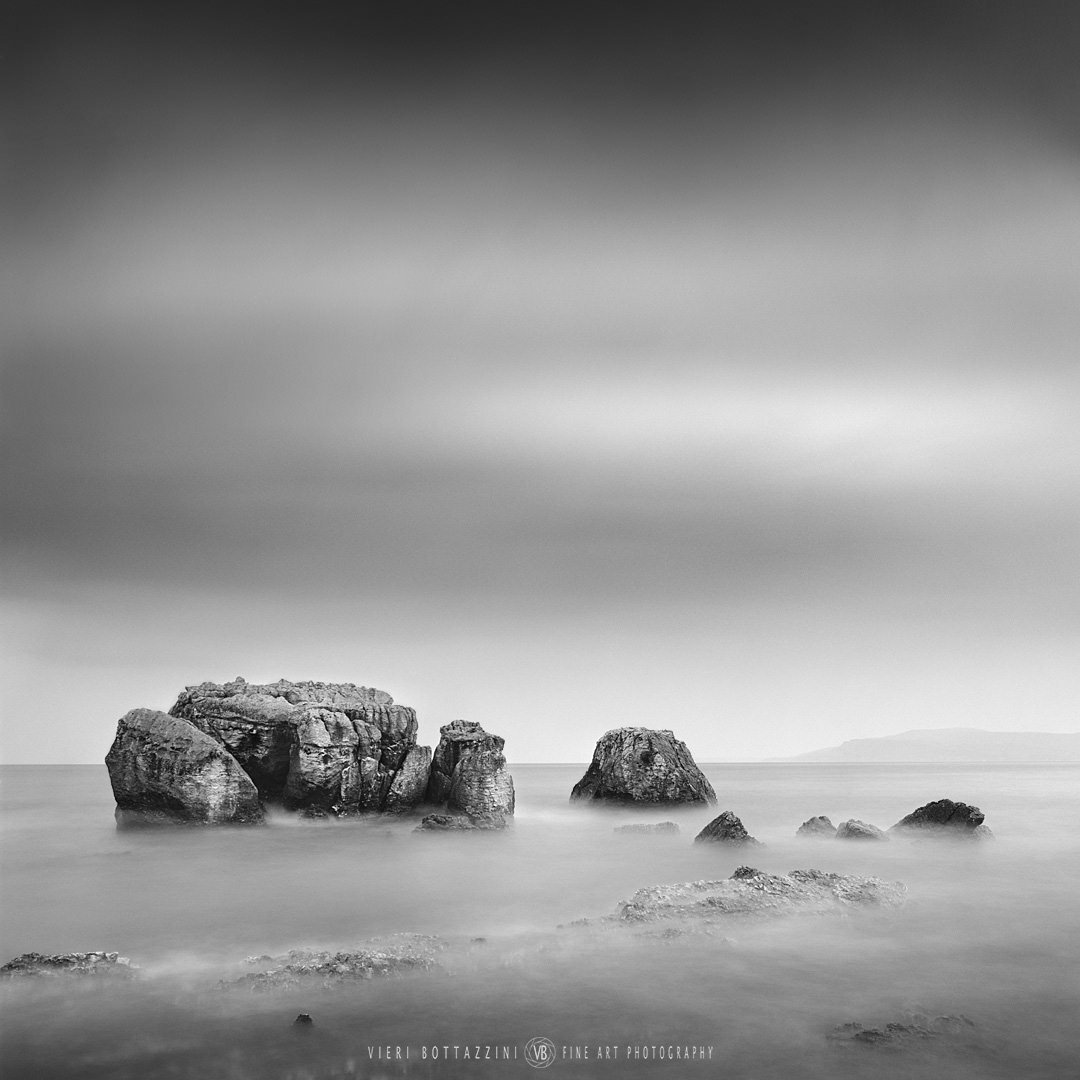
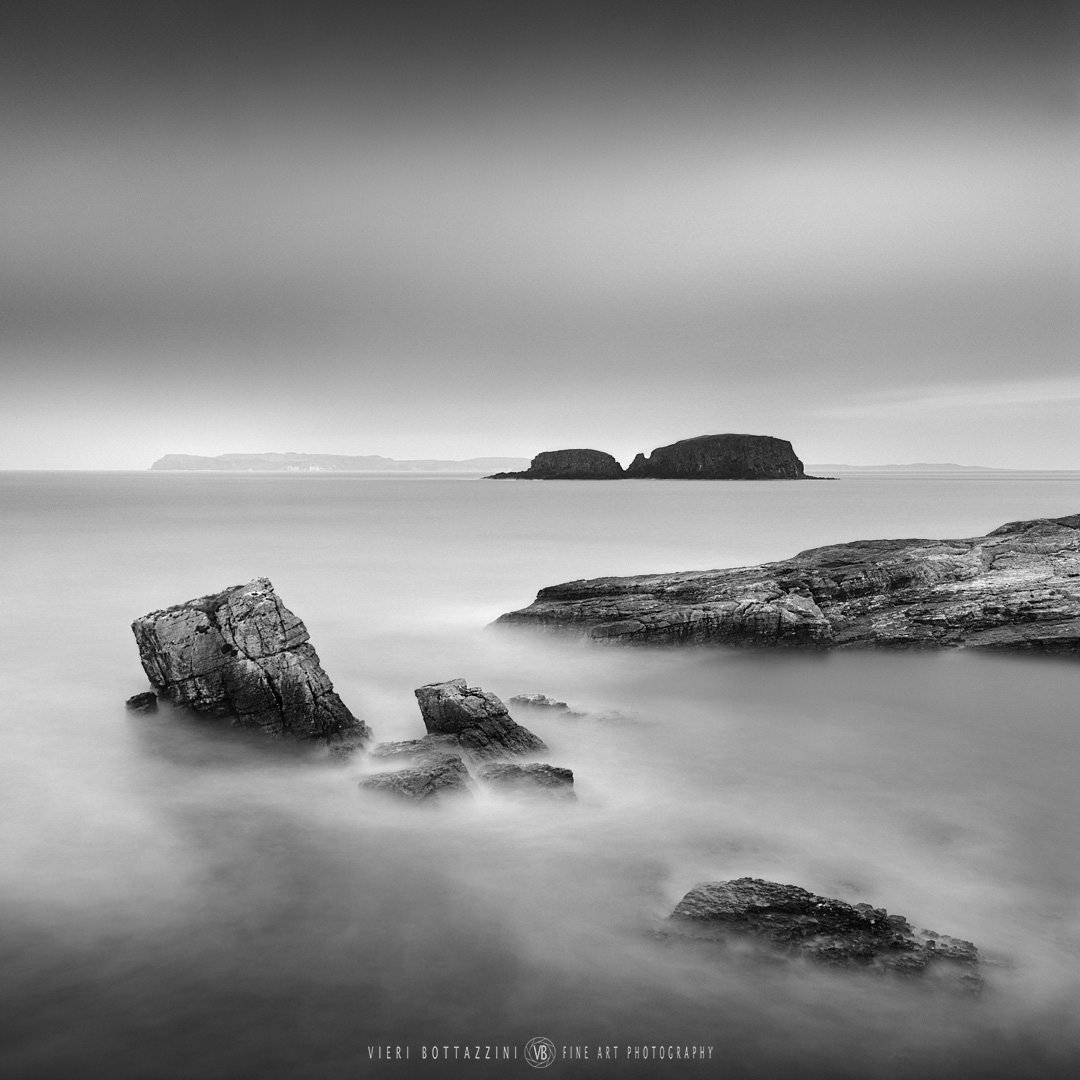
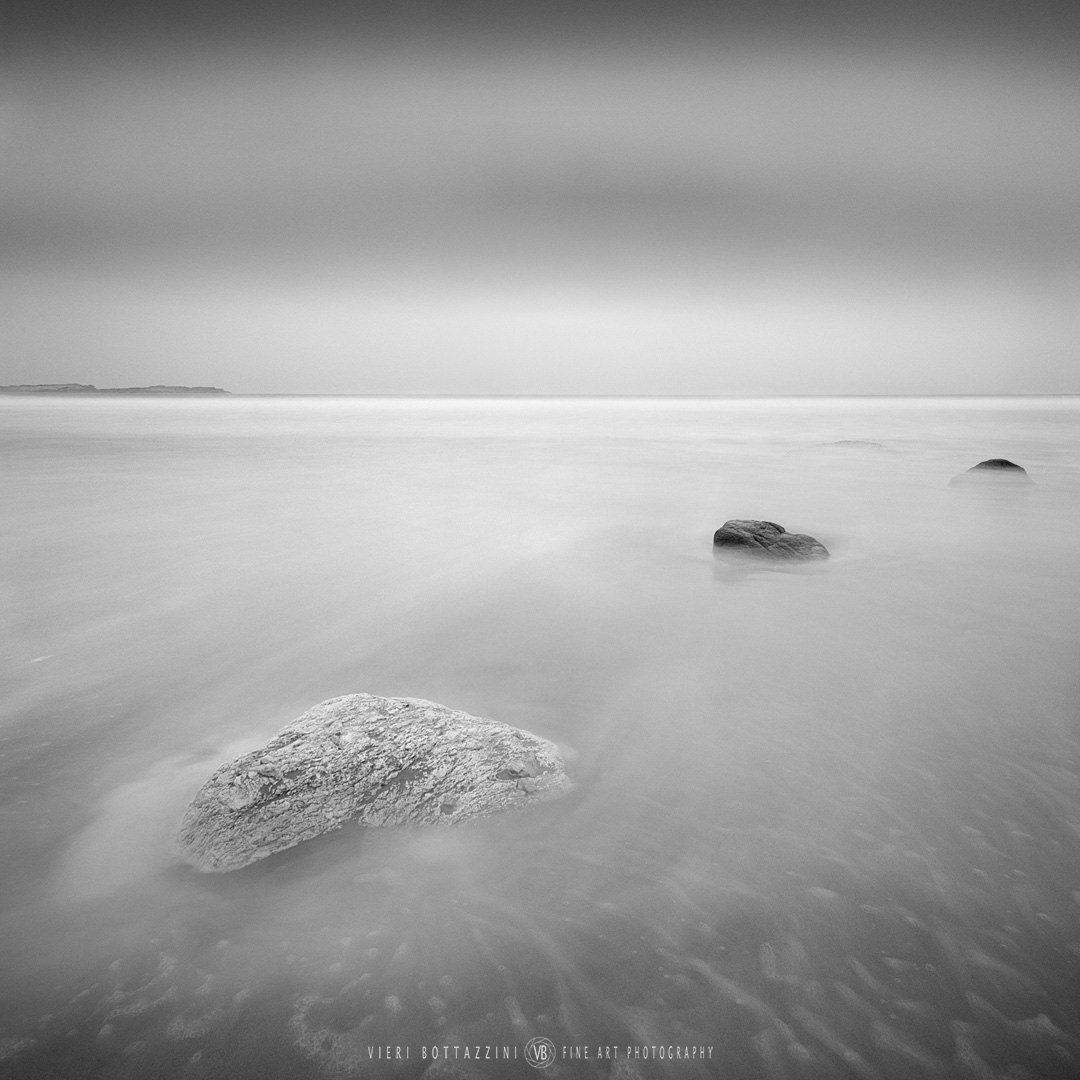
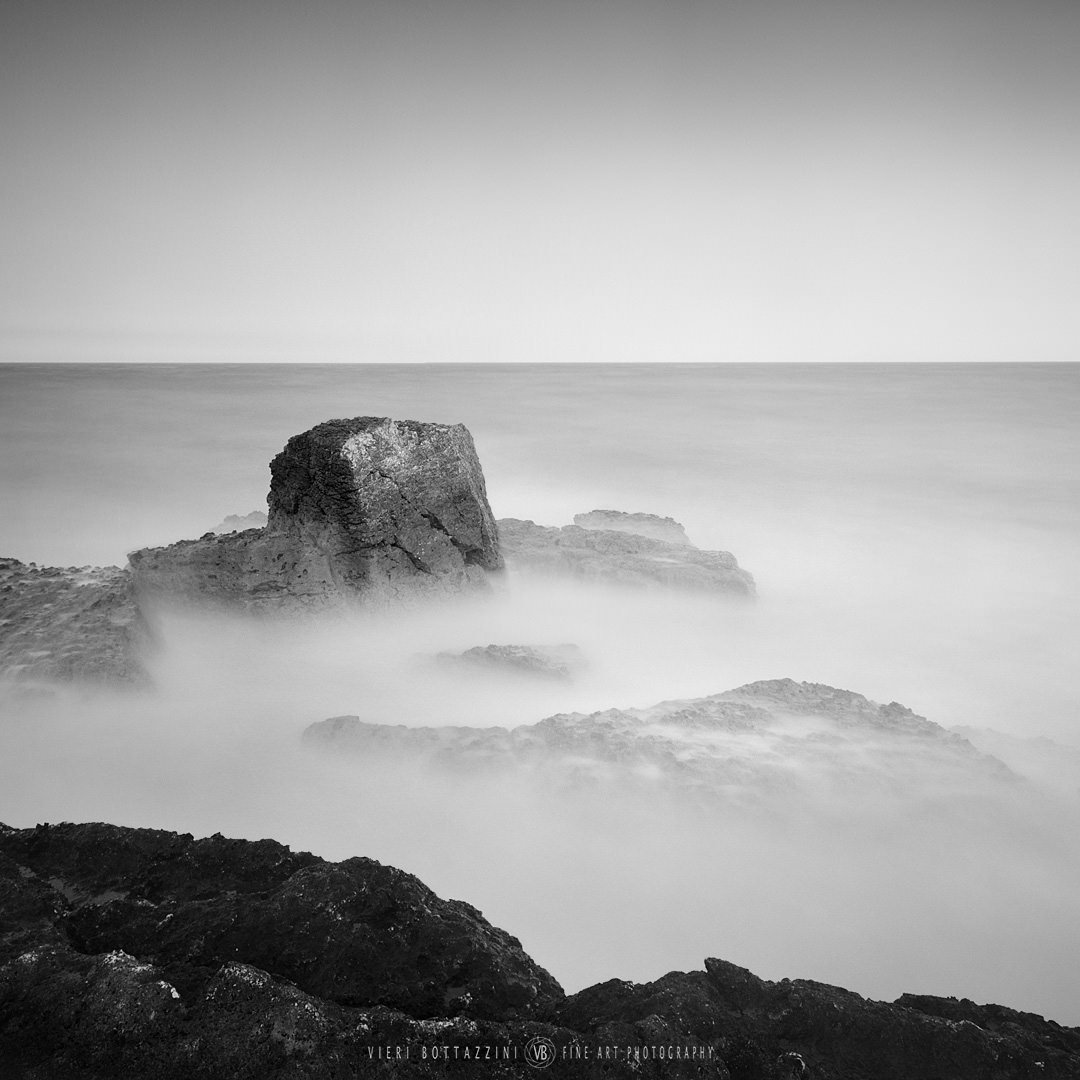
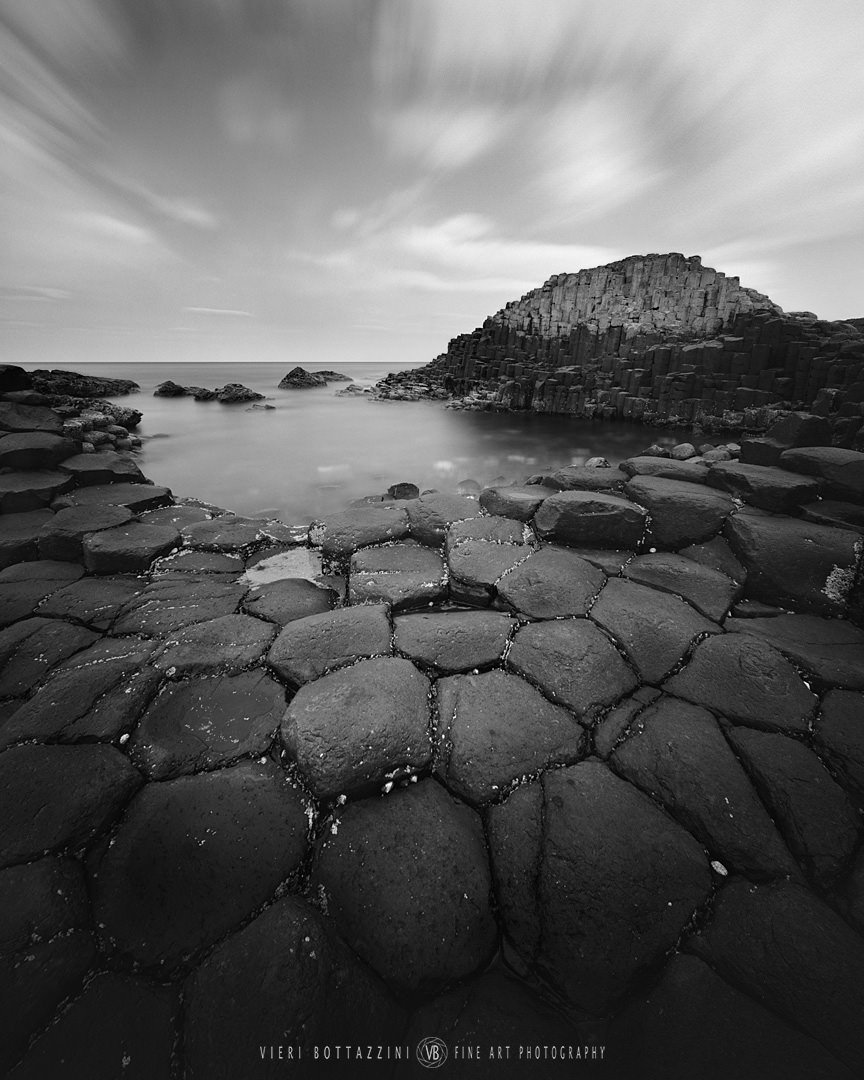
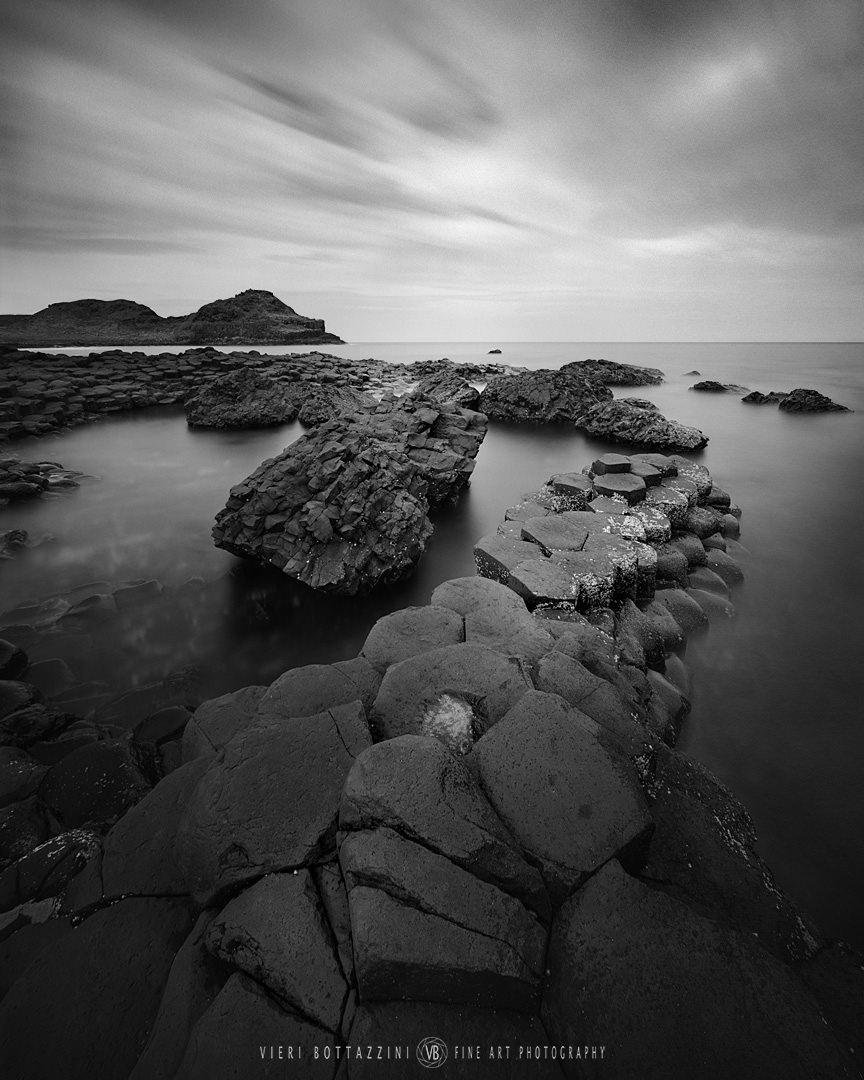
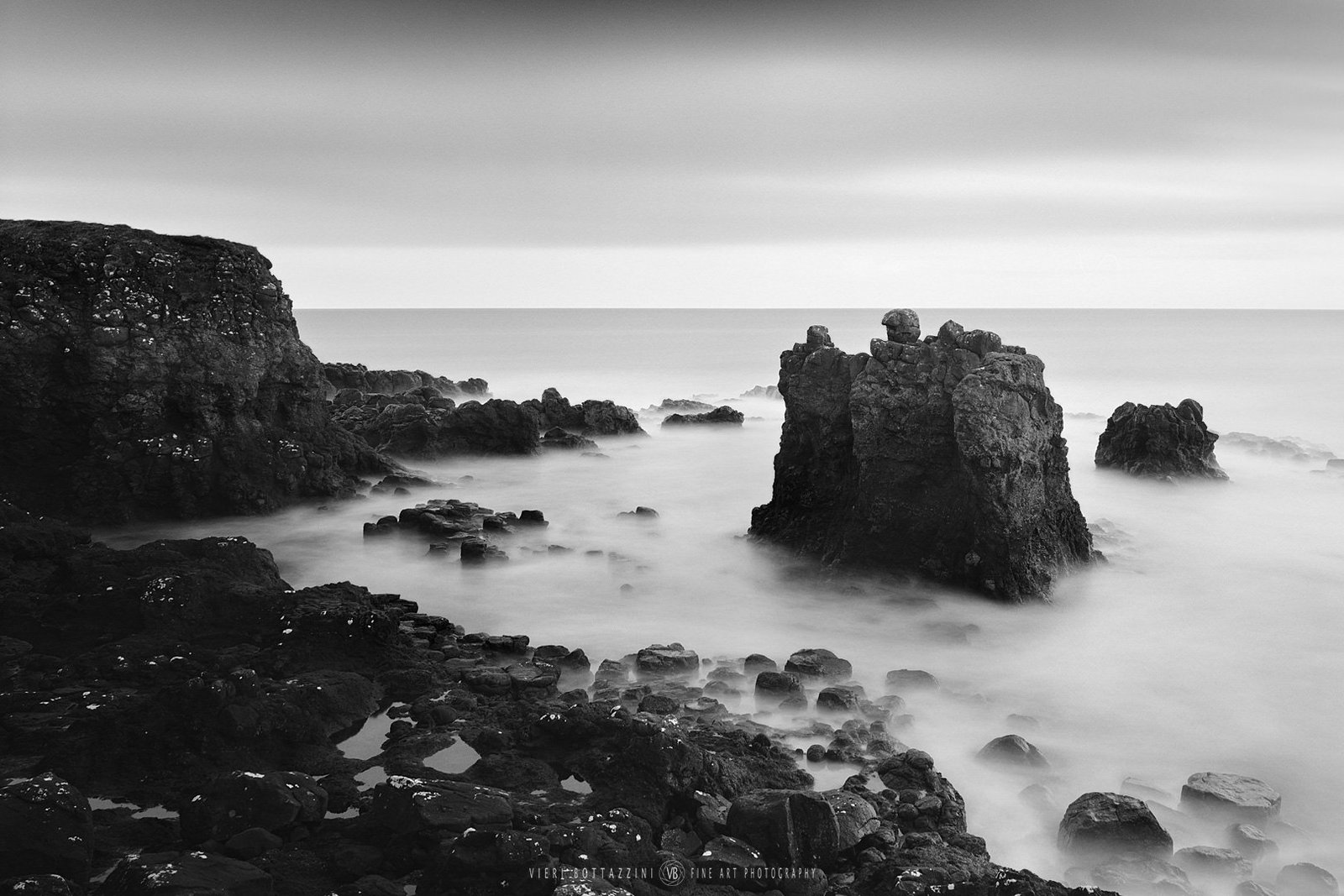
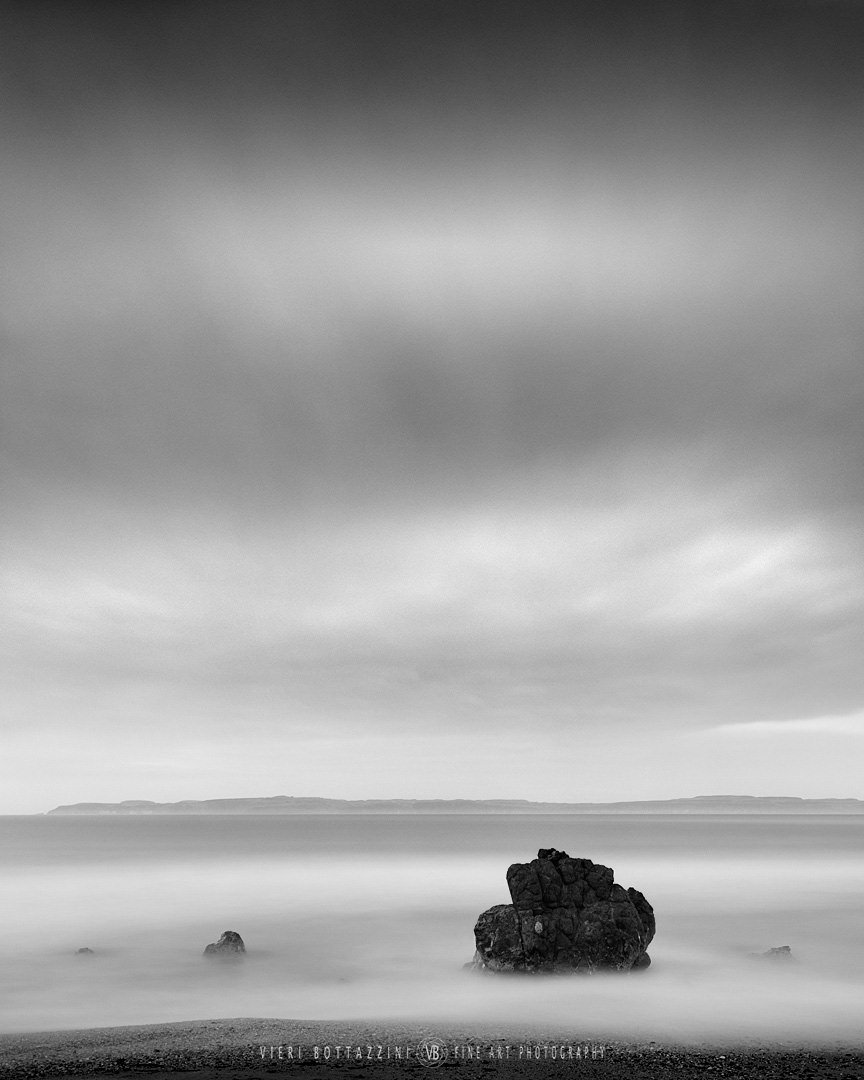
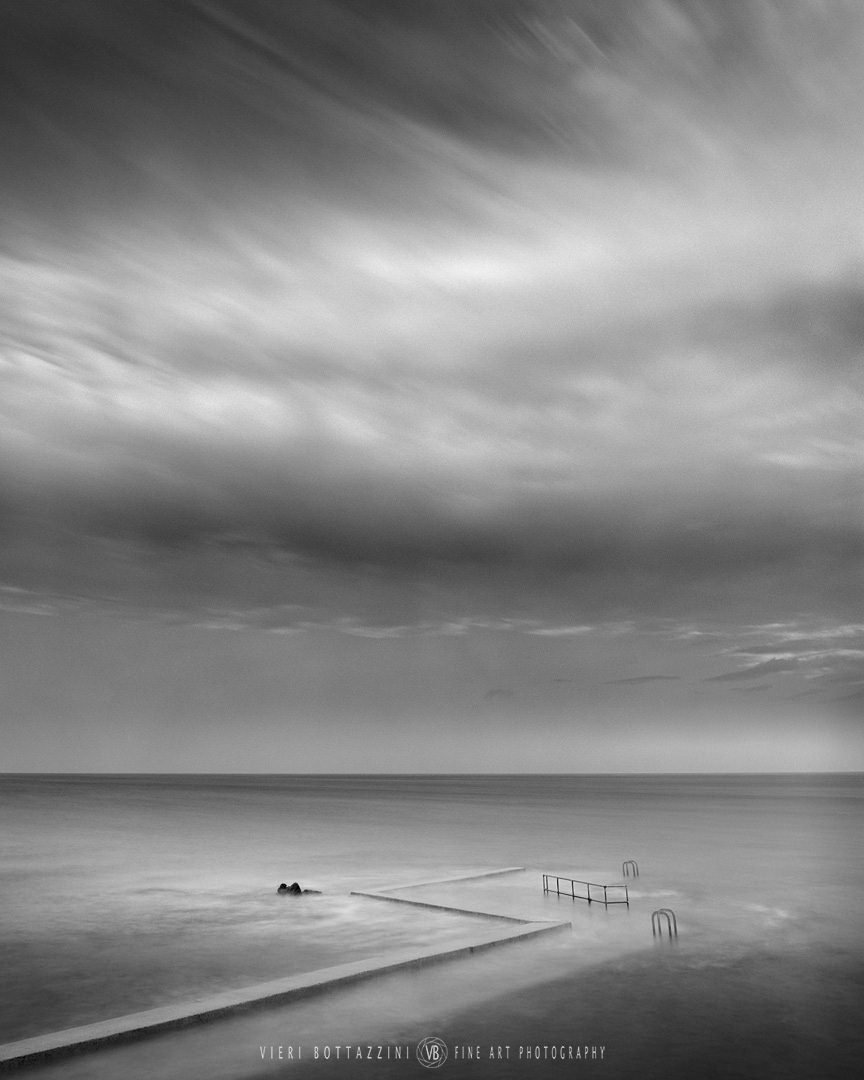
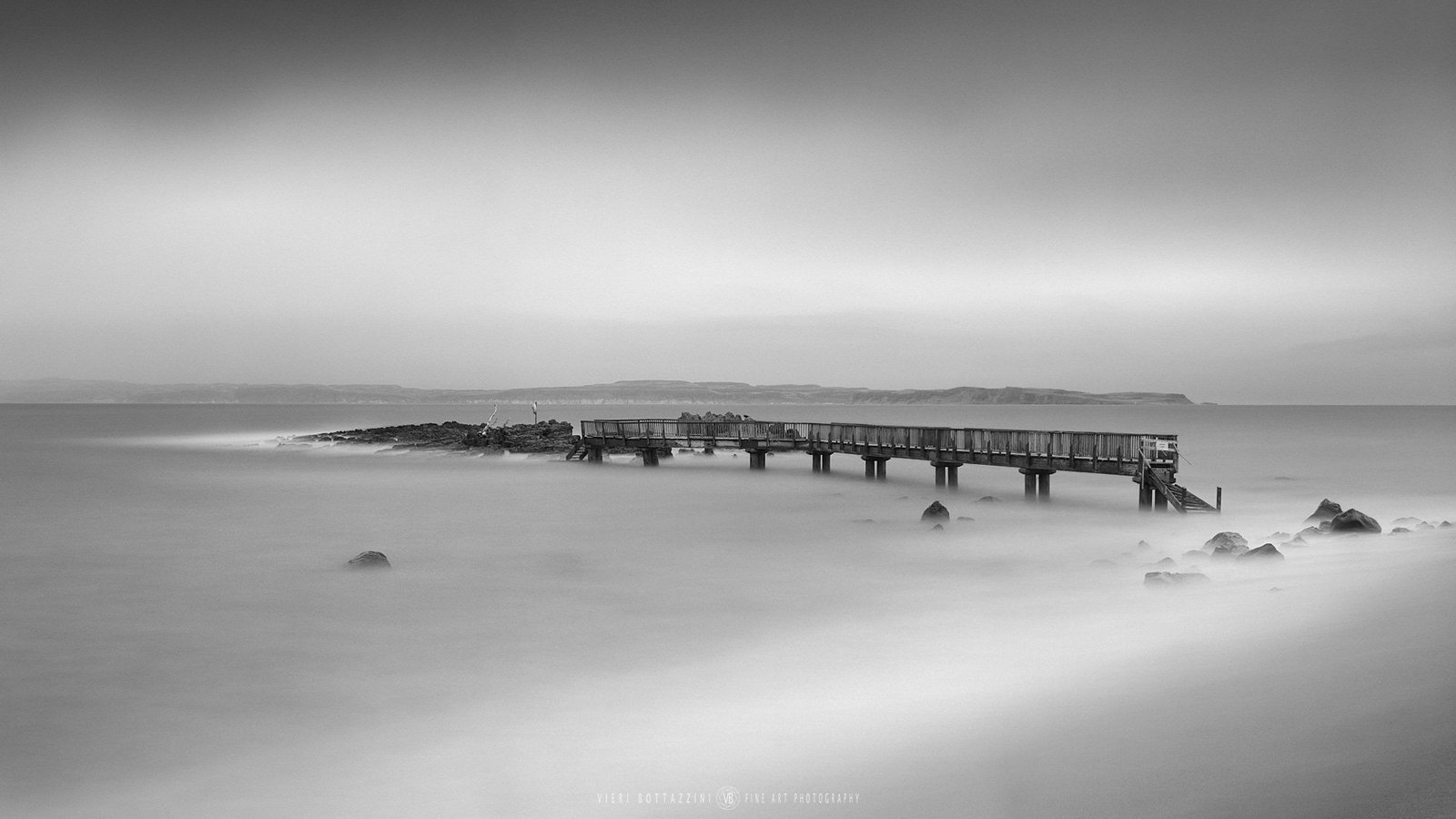
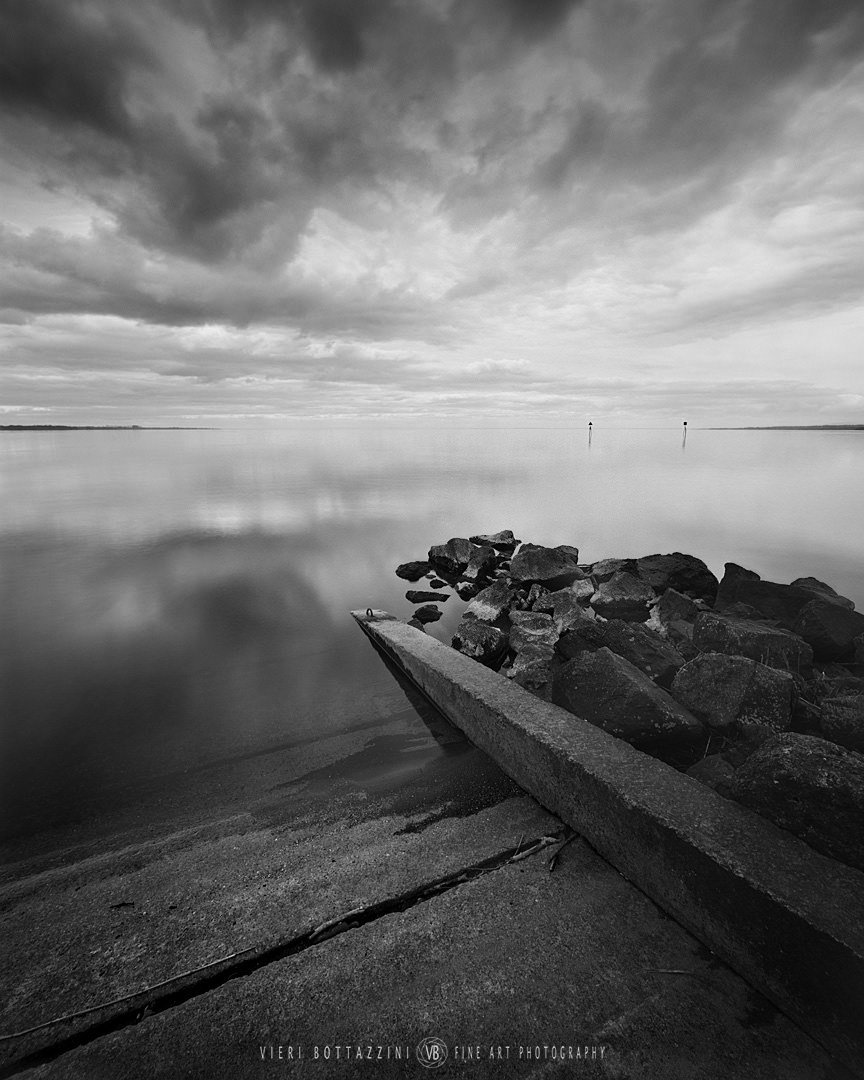
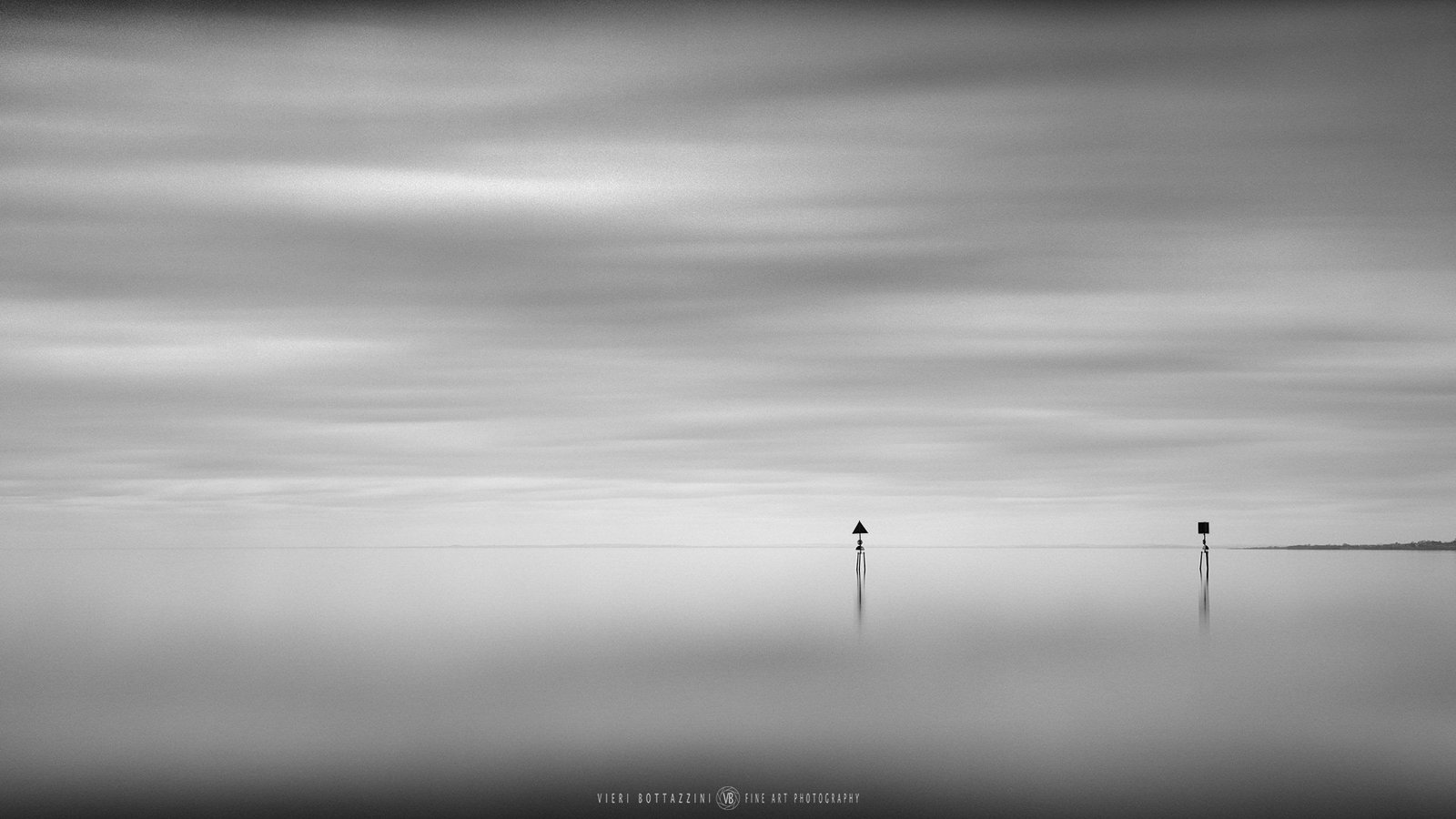
Our two 2025 visits to Ireland resulted in a 40-photograph strong Portfolio, consisting of seascapes and landscapes, both natural and with man-made elements; I am happy to share a selection here with you. Let’s start with seascapes first

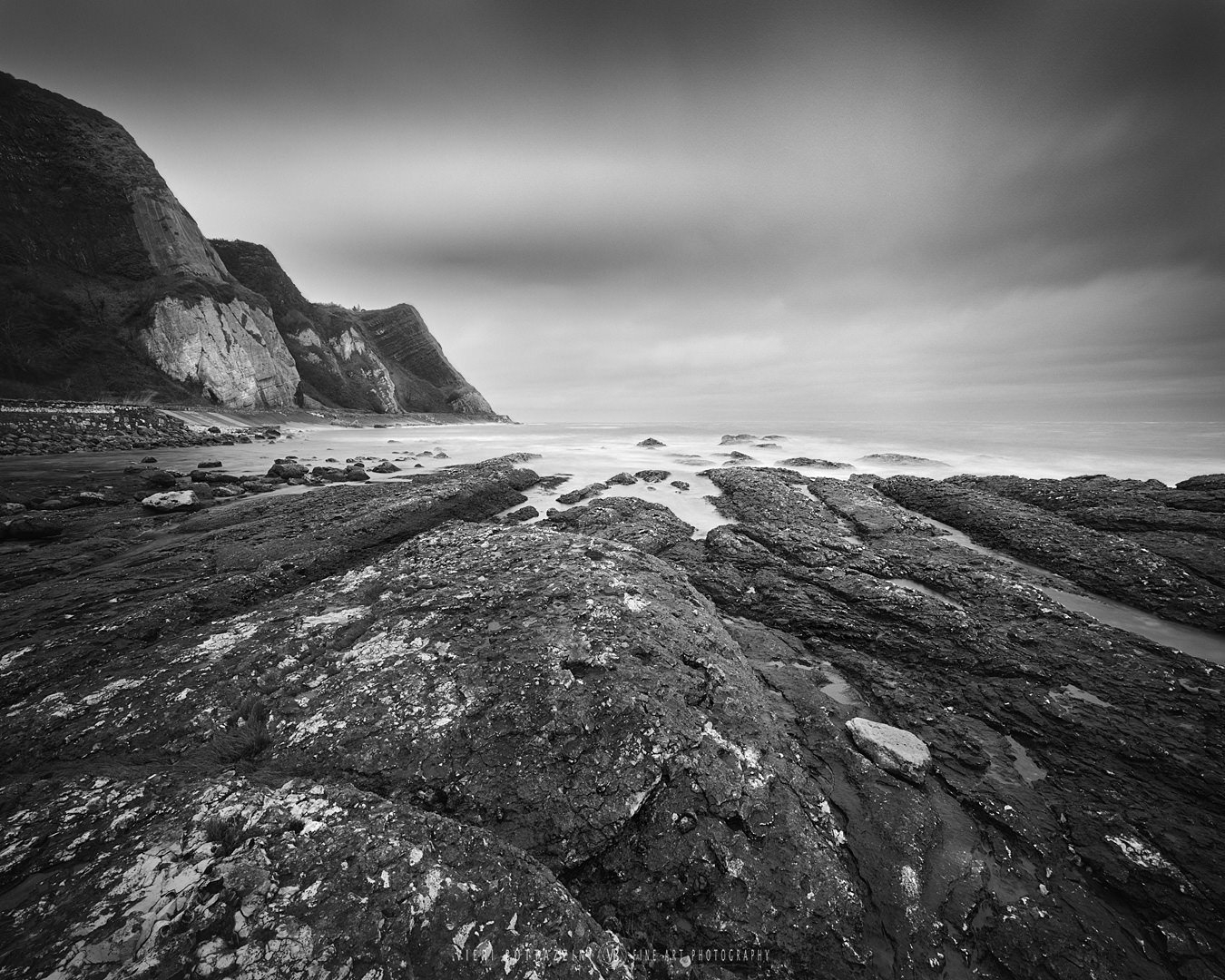
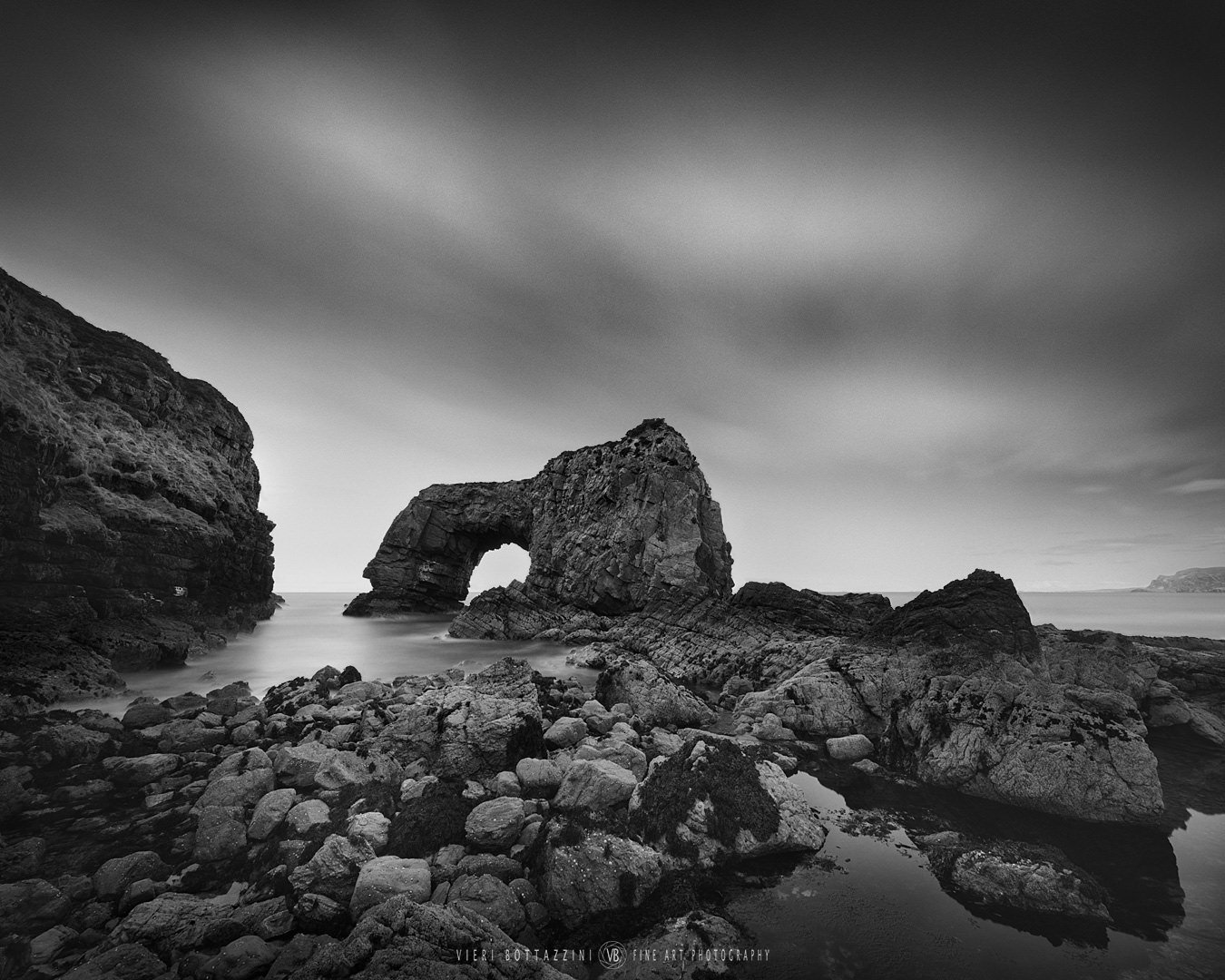
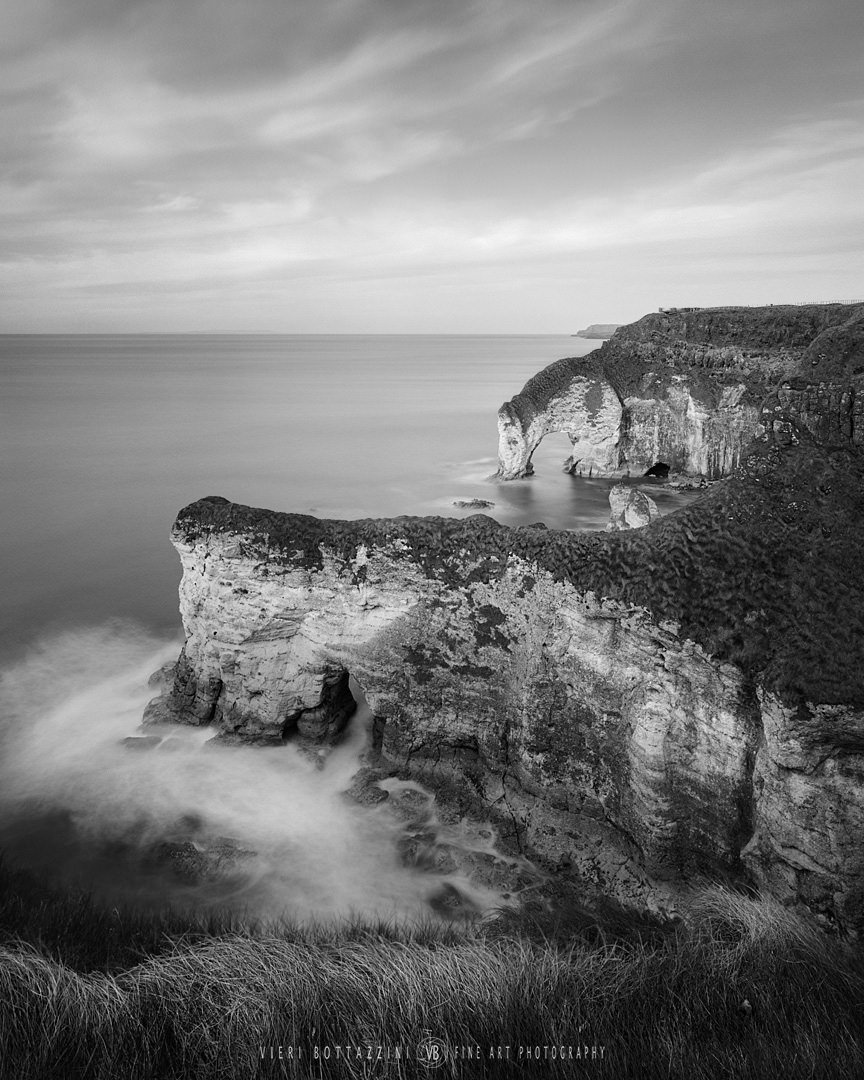
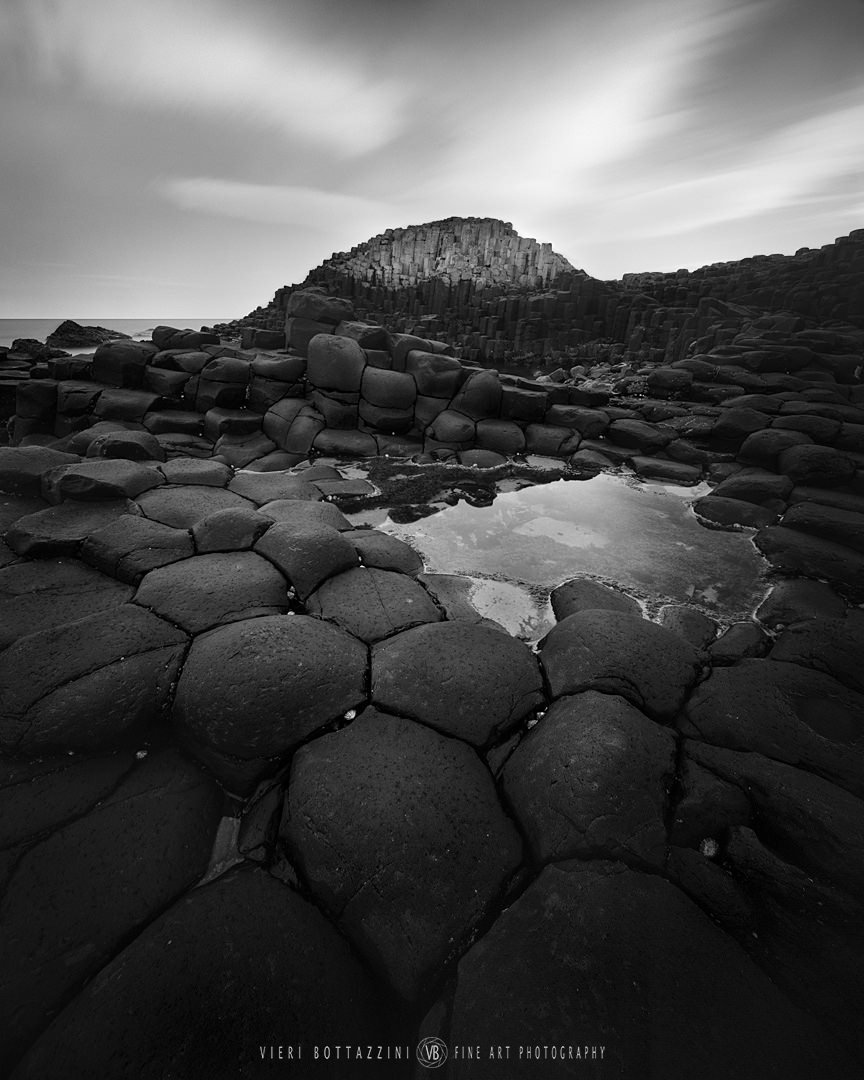
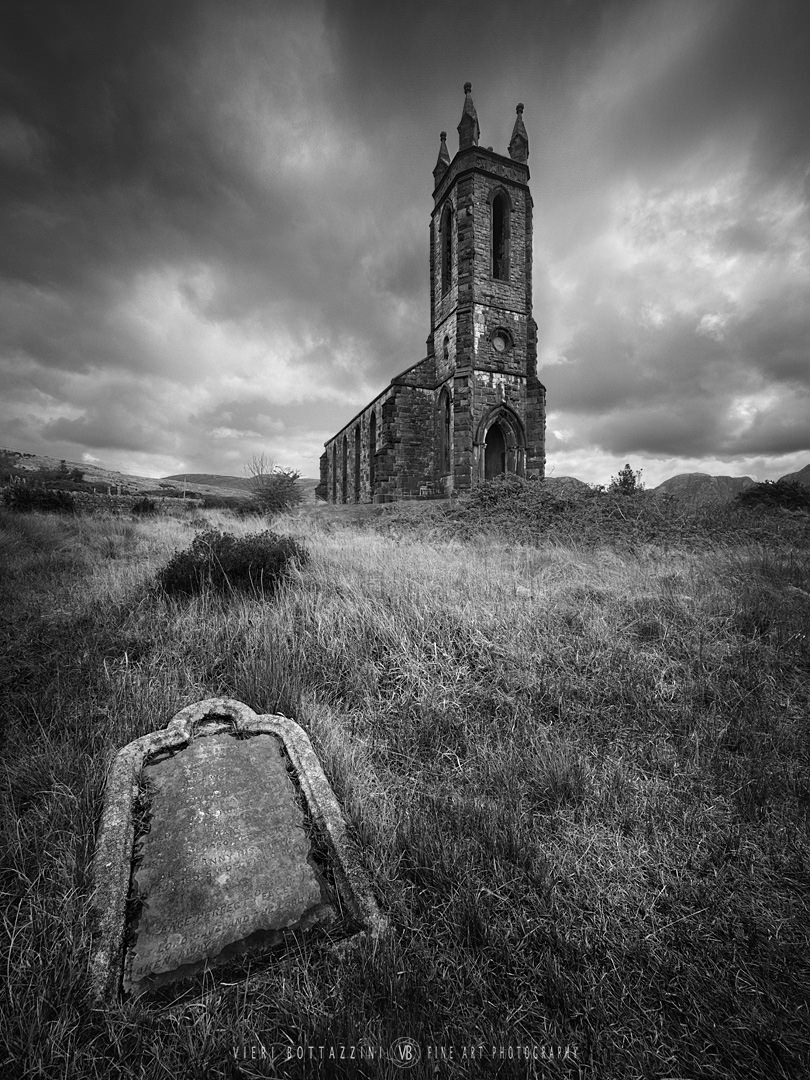
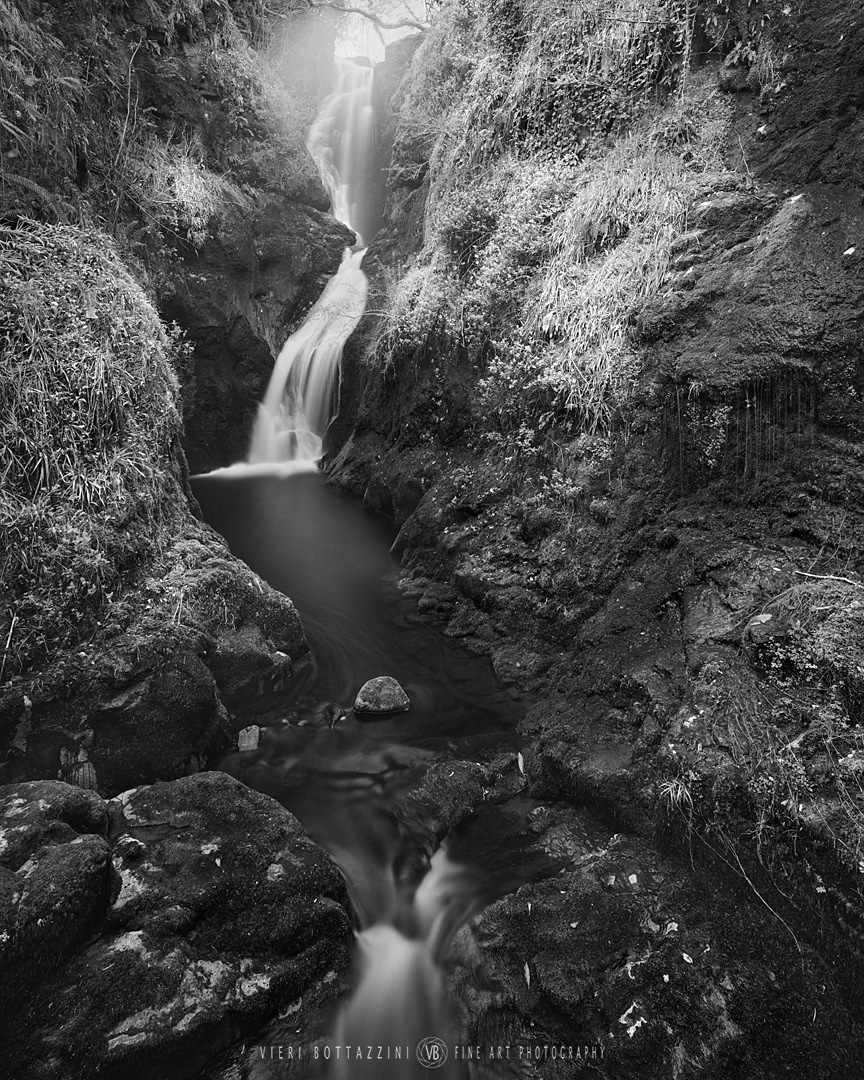
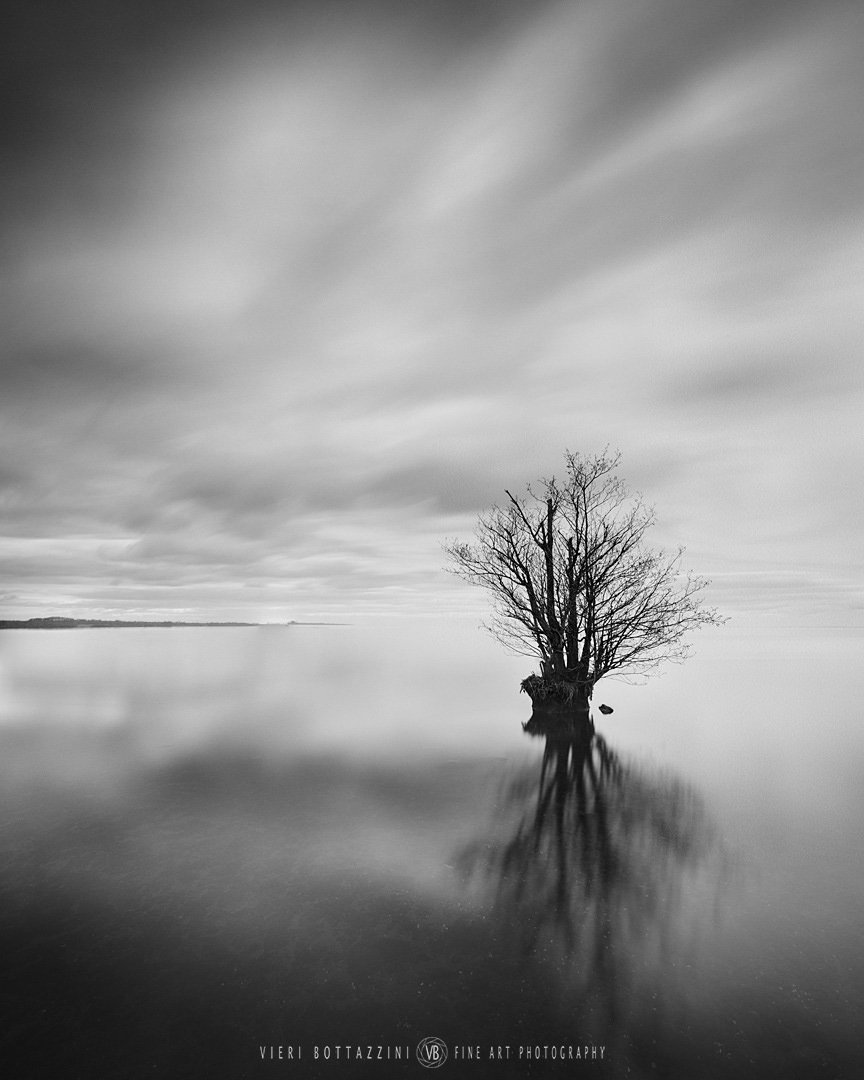
Then, some landscapes for you to enjoy:

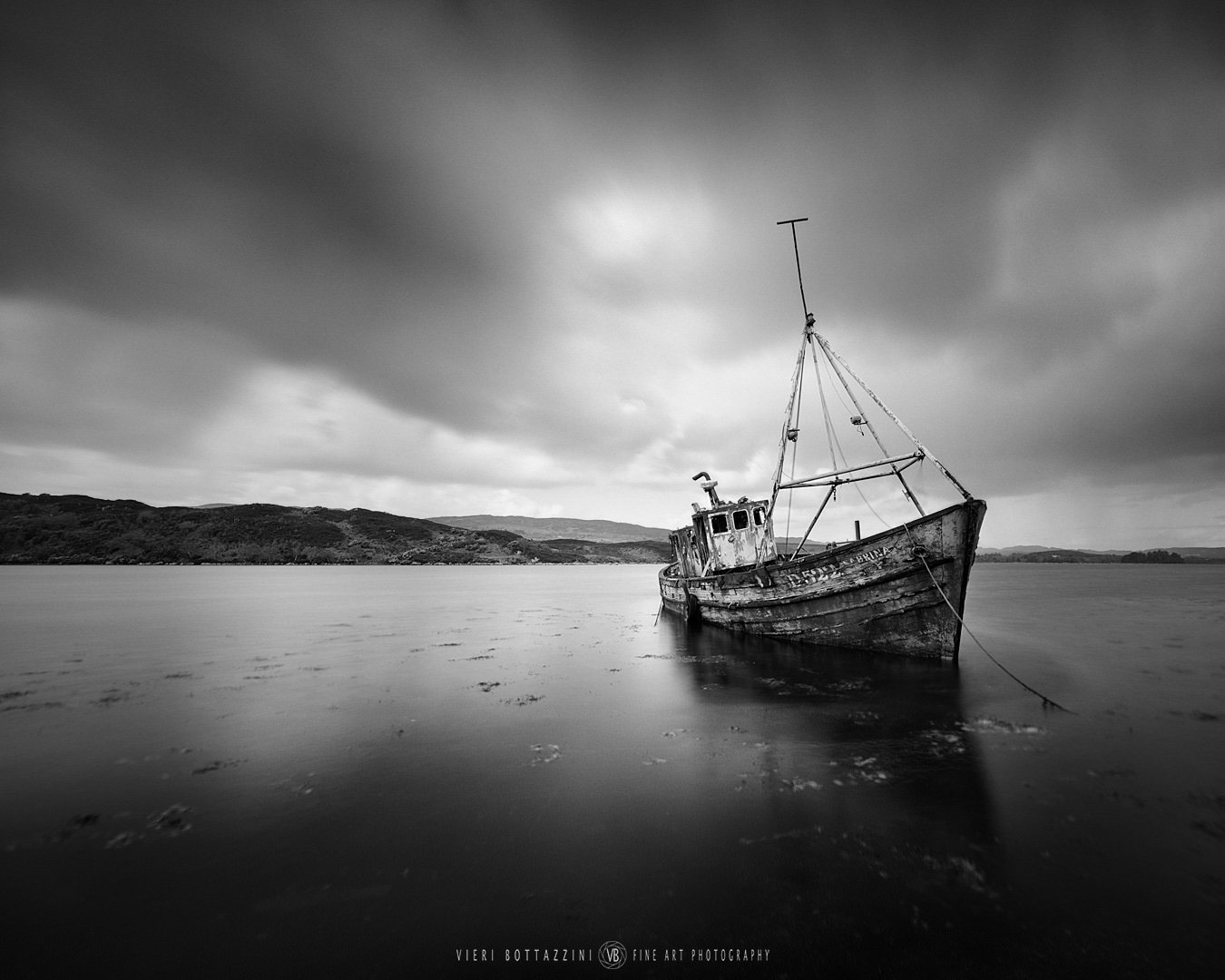
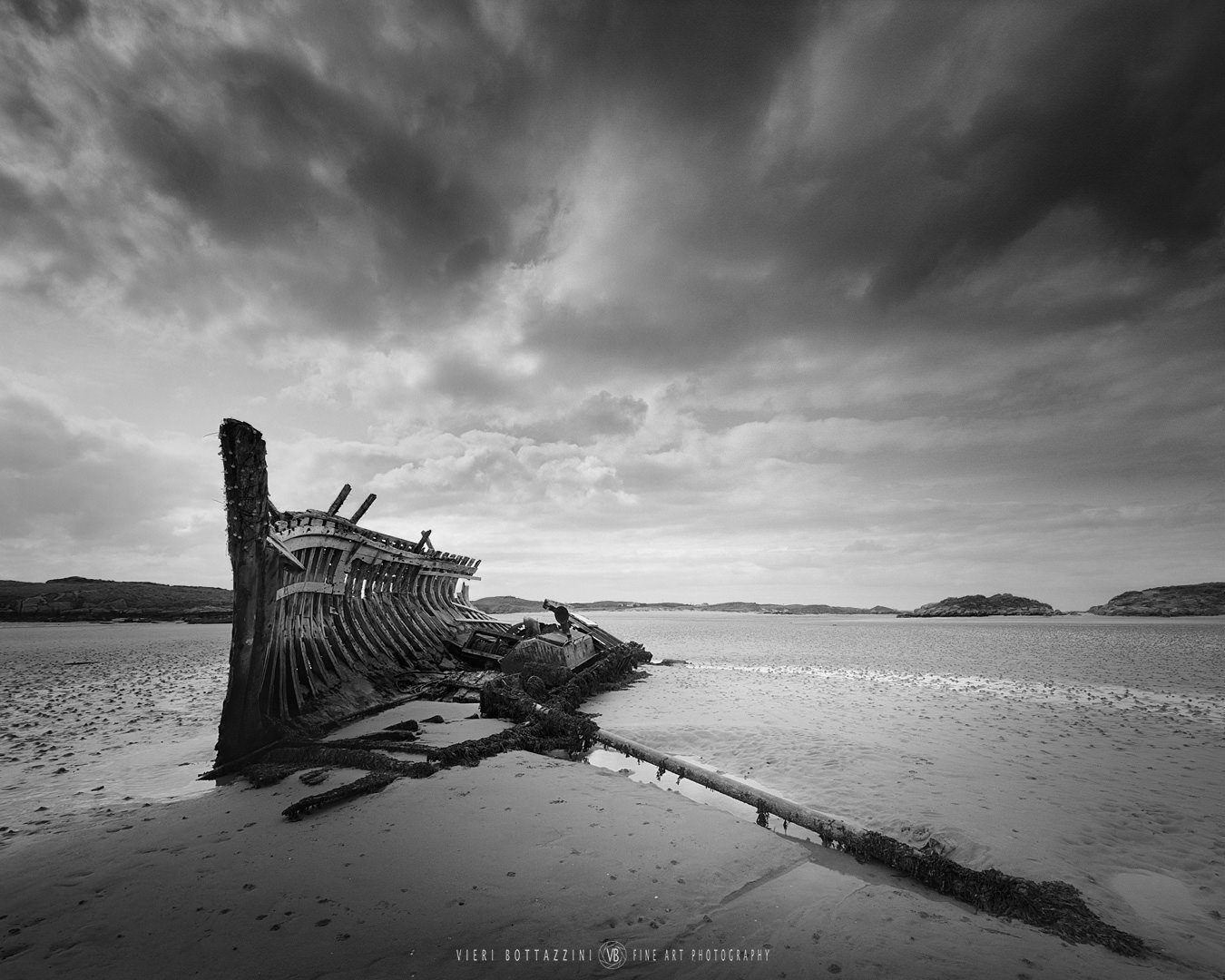
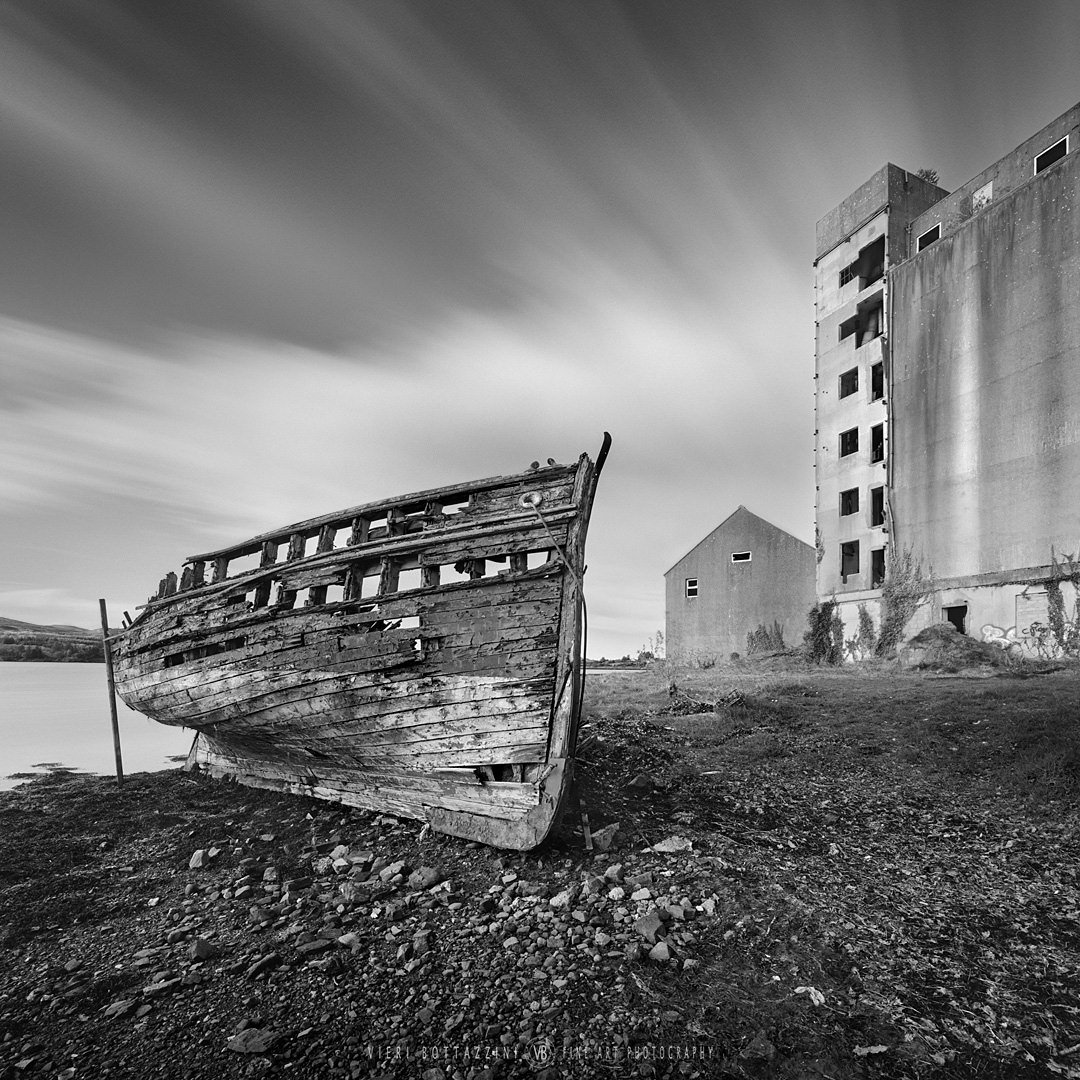
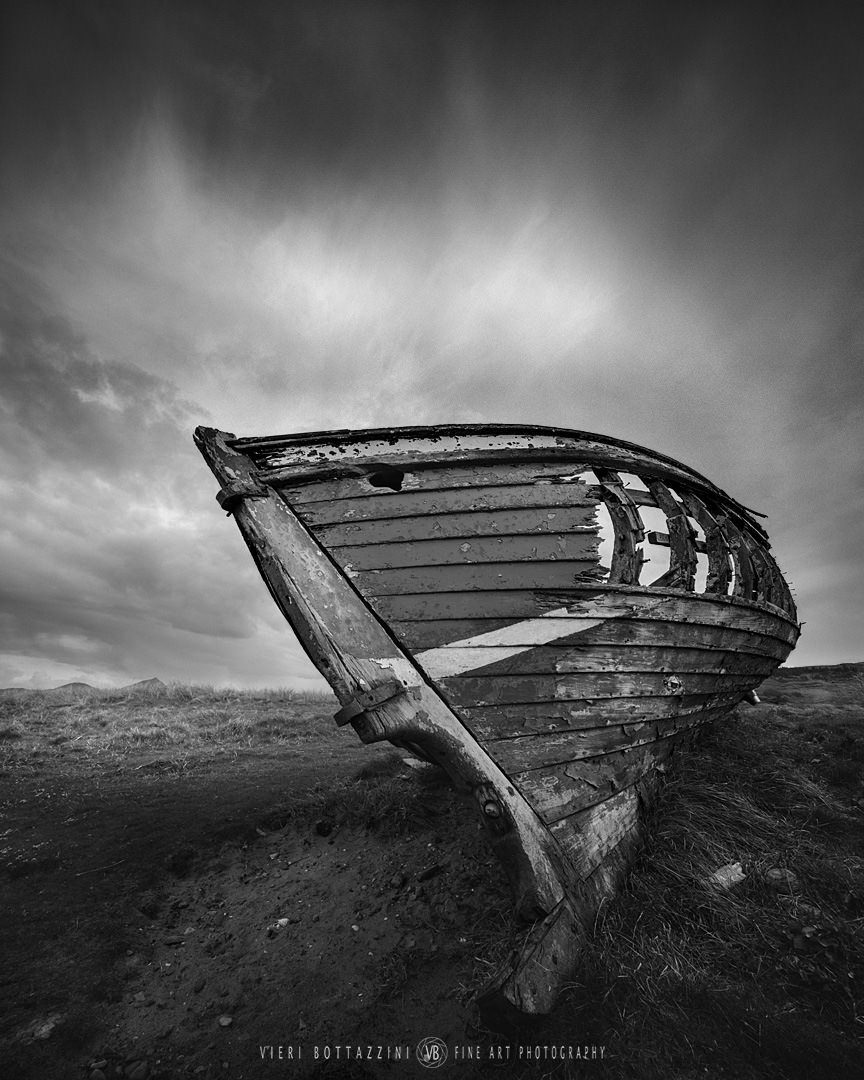
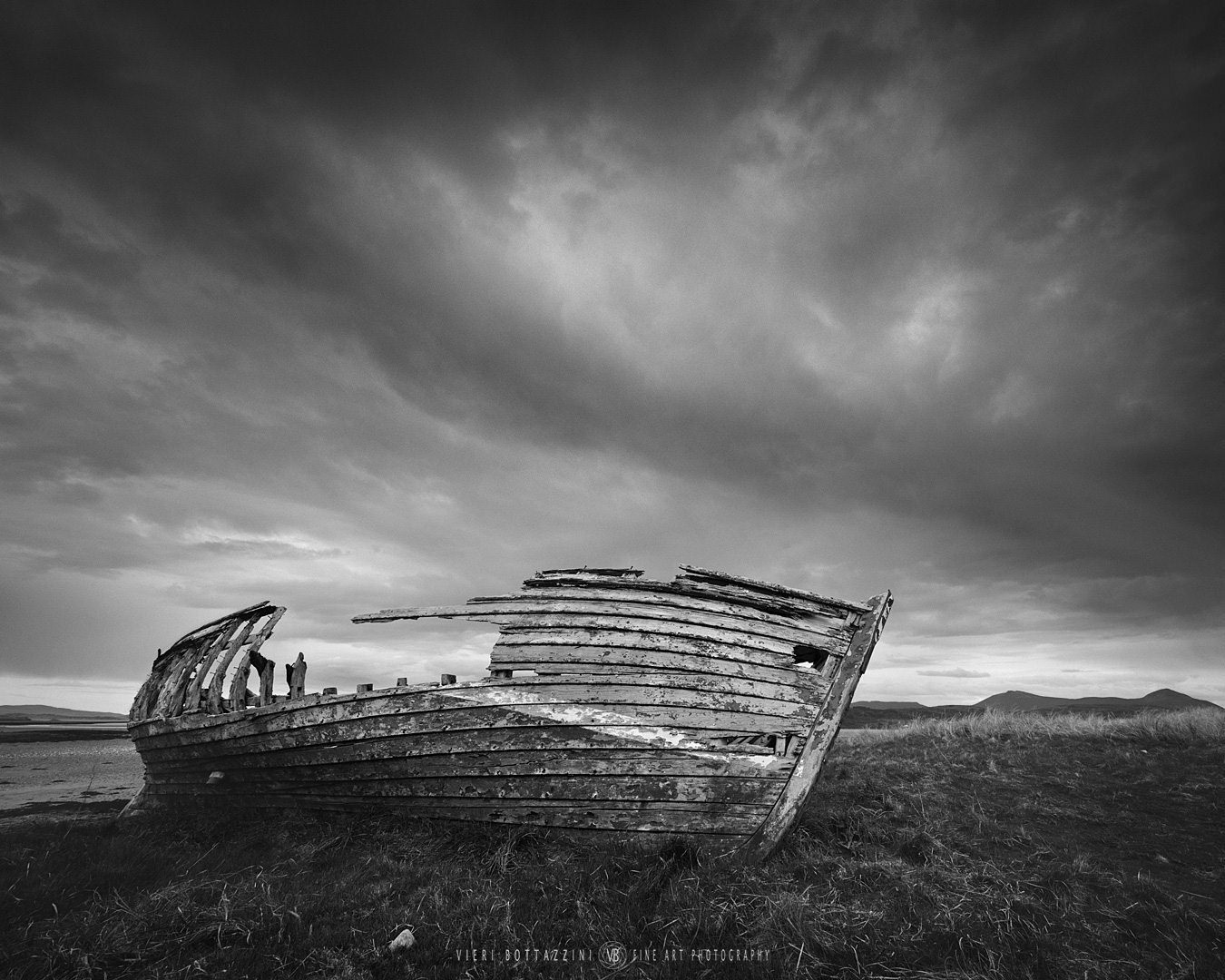
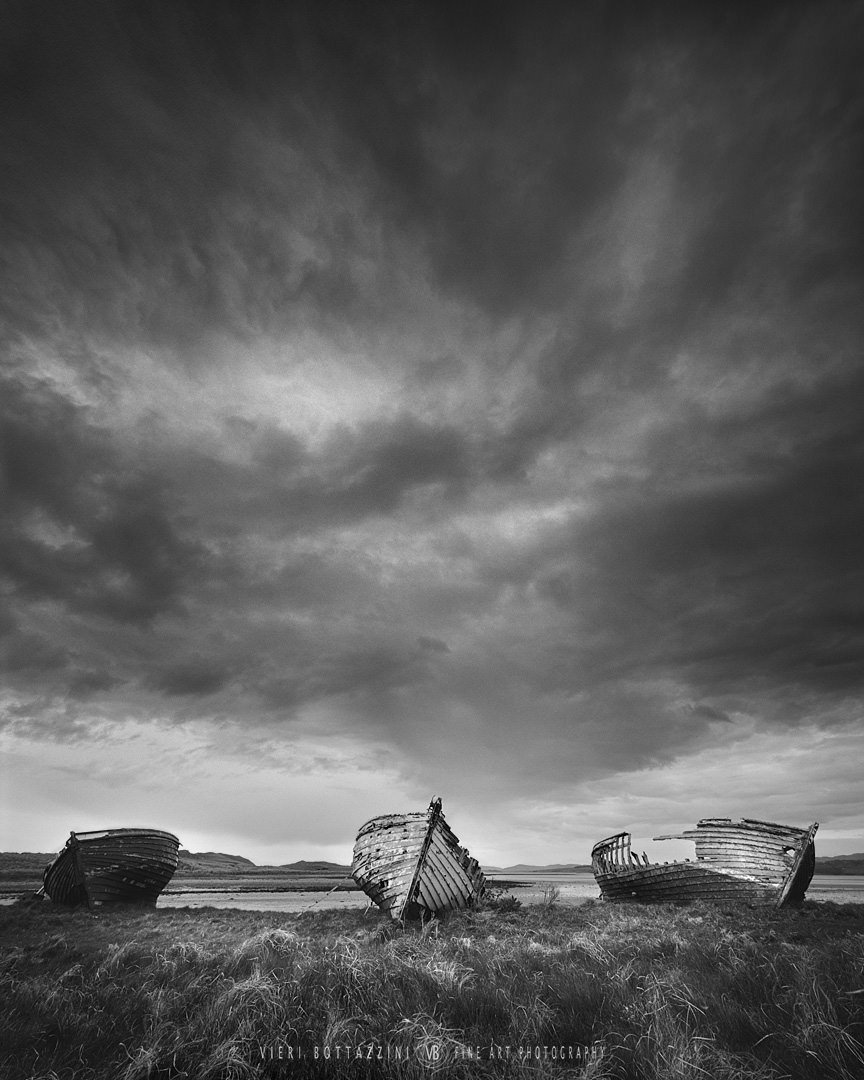
Last, a few shipwrecks, a ubiquitous sight in Ireland:

All photographs have been taken with Ilford FP4+ rated at 100 ISO and developed on the road in Pyrocat-HD for 13 minutes, with 10 agitations at the beginning (roughly 30 seconds), followed by 3 agitations per minute. The film has been pre-washed in water for 5 minutes prior to developing. Negatives have been digitised using a Fujifilm GFX100S II and a Fujifilm GF 120mm f/4 macro lens.

Thank you for joining me along this journey in Ireland, it was a real pleasure to share this Portfolio with you!

Ireland Photography Workshop

Thank you for reading this post, I hope you enjoyed it! Why don’t you share it with your friends, or drop me a comment to let me know your thoughts about this?

SHARE THIS ARTICLE ON

JOIN THE DISCUSSION

6 thoughts on “IRELAND 2025: A 4X5″ PORTFOLIO”

    • Hello Bill,

      thank you for your kind words, much appreciated, I am glad you are enjoying my work. About your question, I am using a Fujifilm GFX100S II with a macro lens, on a Kaiser stand; I sandwich the negative between two sheet of glass, rest it over a light source (photographic led) and photograph it. To maximise resolution, I shoot it in two halves which I then combine in PS.

      Hope this helps! Best regards,

      Vieri

      Reply
      • Hi there , what macro lens do you use in combination with the fuji gfx please?
        I’m thinking to get one by myself .. too
        Greetings from Switzerland Basel Andreas

        Reply
    • Hello Bill,

      thank you for your comment and kind words, much appreciated, I am glad you enjoyed the Portfolio!

      Best regards,

      Vieri

      Reply

Leave a Comment

This site uses Akismet to reduce spam. Learn how your comment data is processed.

Subscribe to my newsletter
not to miss future articles!

let's develop photography together